

Luxembourg Gardens: What to See and How to Visit

A wonderful and historic green lung in the heart of the Left Bank, where the geometric elegance of French gardens meets the lively and Parisian daily life of Paris.
In short

Table of Contents

The ideal stop

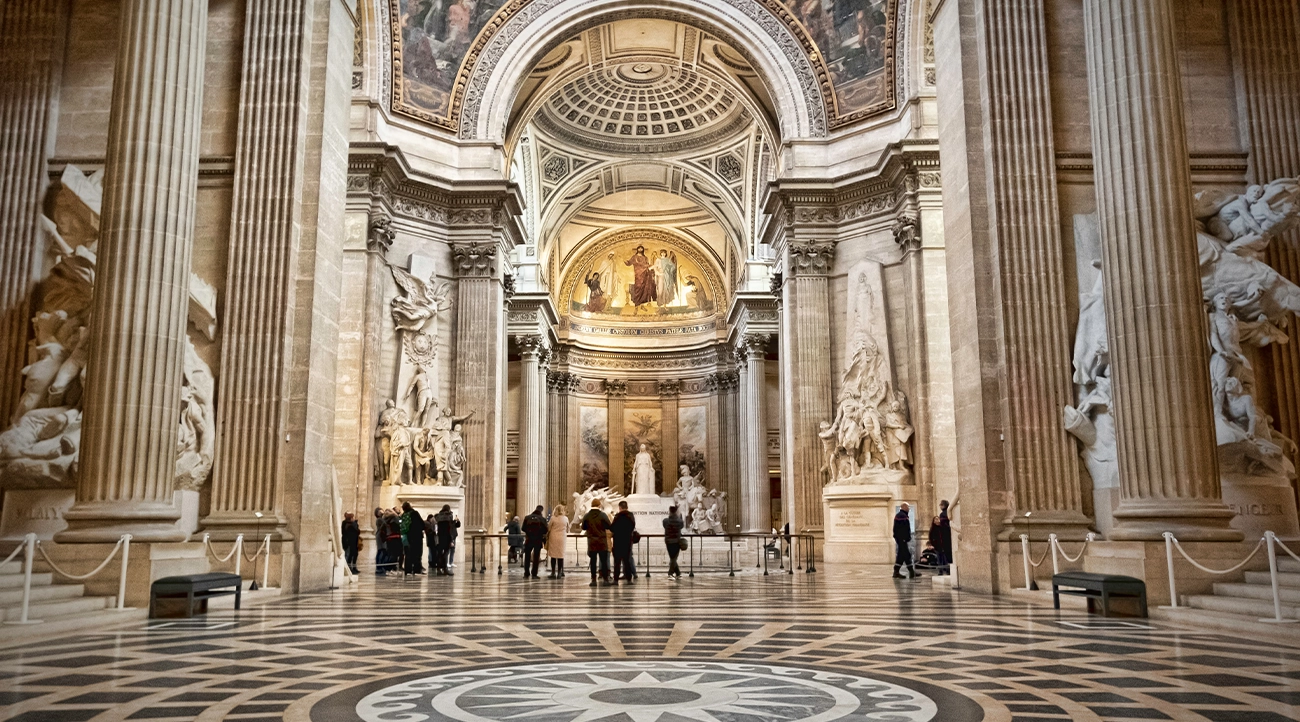
Combine them with a cultural visit to the nearby monumental Pantheon, located on the top of the Sainte-Geneviève hill.

  • Recommended parking time 90'

    An hour and a half is the perfect amount of time to stroll the main avenues and relax by the water.

  • The local rite

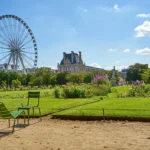
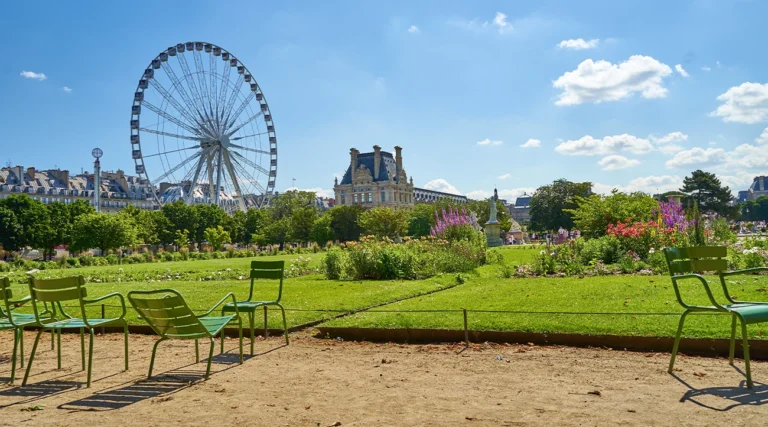
    Drag one of the famous green Luxembourg metal chairs into the shade of a plane tree to read a book in complete isolation.

What to see in the Luxembourg Gardens

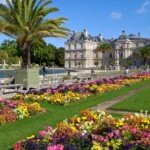
Stroll the gravel paths and manicured lawns of this former royal estate to discover the artistic and botanical treasures hidden beneath centuries-old trees.

1

The Grand Bassin

Observe the large octagonal lake located in front of the palace, where children have been sailing small, colorful wooden sailing boats for generations.

2

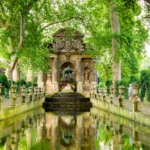
The Medici Fountain The most beautiful

Admire the monumental, Parisian baroque pool shaded by plane trees, culminating in the splendid carved limestone grotto.

3

The Luxembourg Palace

Be struck by the majestic façade of the 17th-century building, inspired by the Pitti Palace in Florence and now the official seat of the French Senate.

4

The Gallery of the Queens of France

Explore the raised terraces surrounding the central parterre, where twenty imposing white marble statues stand dedicated to the sovereigns and illustrious women of national history.

5

The Orangery and the Conservative Orchard

Discover the historic winter greenhouse pavilion and the geometric rows where gardeners grow hundreds of ancient and rare varieties of apples and pears.

A visit to the Luxembourg Gardens

Quick logistical notes for navigating the greenmetro while respecting the strict protection regulations in force within the facility.

How to visit the Luxembourg Gardens

You can enter through the historic monumental gate located on Boulevard Saint-Michel. Walk along the main tree-lined avenue to reach the central octagonal basin, then take the time to explore the upper terraces and more private groves on the western side of the park.

Powered by GetYourGuide

Need to know

  • Queen Marie de' Medici bought the land because she detested the gloomy atmosphere of the Louvre Palace.
  • During the French Revolution, the royal palace was confiscated and temporarily transformed into a state prison.
  • The park is home to a historic beekeeping school founded in the 19th century, with active hives that produce honey sold in the autumn.
  • The iconic green metal chairs are not fixed to the ground, allowing everyone to place them wherever they prefer.

Practical advice

  • Don't walk on the lawns: most of the grass is protected and off-limits to walking, except for a small, specially marked area.
  • Bring a water bottle: there are several Wallace fountains throughout the park where fresh, free drinking water flows.
  • If you want to play tennis or petanque, go to the courts on the west side, which are freely accessible or by reservation.
  • Check the panels near the entrances to see what cultural events and temporary photography exhibitions are taking place on the outside gates.

How to get to the Luxembourg Gardens

The large park occupies the central portion of the sixth arrondissement, marking the border between Saint-Germain-des-Prés and the Latin Quarter.

Metro

The closest metrois Odéon, served by lines 4 and 10.

Rer

Line B stops at the Luxembourg underground station, with exits directly in front of the park gates.

Bus

Lines 21, 27, 38, 82, 84 and 89 make regular stops along the entire perimetermetro the outer walls.

Standing

Walk up the elegant Rue de Soufflot from the Panthéon square in a westerly direction.

Bd Saint-Michel, 75005

History of the Luxembourg Gardens

In 1611, Henry IV's widow, Marie de' Medici, decided to move away from the political center of Paris to build a residence that reflected the Baroque taste of her childhood spent in Florence. She purchased the Hôtel Particular of the Duke of Luxembourg and the surrounding farmland, entrusting the construction of the new palace to the architect Salomon de Brosse and the landscape architect Jacques Boyceau with the design of the first large geometric flowerbeds, filled with fountains and long water channels inspired by the style of the Boboli Gardens.

During the 18th century, the park was partially opened to the public, becoming a favorite stroll for intellectuals and writers such as Jean-Jacques Rousseau and Denis Diderot. The original structure, however, underwent dramatic changes during the years of the French Revolution, when the complex was nationalized and the gardens were used as an isolation yard for political prisoners destined for the guillotine, before the Directory decided to relaunch it for the public.

The gardens' final form was defined in the mid-19th century under Napoleon III. The radical urban redevelopment orchestrated by Baron Haussmann for the opening of new boulevards threatened to cut the estate in half; intense popular protests pushed the architects to redraw the boundaries, saving the main monuments such as the Medici Fountain, which was moved back and enriched with the long rectangular basin we still admire today.

Over the course of the 20th century, the gardens experienced the most intense moments in contemporary Parisian history: from the trenches dug into the gravel during the First World War to theoccupation by German troops who transformed the palace into the headquarters of the Luftwaffe, placing underground bunkers among the flowerbeds. Today, fully liberated and restored, the gardens are devotedly managed by the French Senate, which preserves their high historical, botanical, and social value.

Curiosities about the Luxembourg Gardens

Tickets and tours nearby

Find accommodation near the Luxembourg Gardens

Frequently Asked Questions

Why are there only sailboats on the central lake and no rowboats for tourists?

The Grand Bassin is shallow and exclusively hosts the historic tradition of small wooden model sails powered by the wind, leaving free space for children.

Running is permitted only along the external gravel paths , marked with appropriate signs, so as not to disturb the peace of passers-by sitting in the central areas.

No, the large historic wooden vases containing the citrus fruits are moved inside the warm rooms of theOrangerie as soon as the temperatures drop below five degrees Celsius. You can see them during those months by purchasing a museum ticket.

Yes, on the side near Rue de Guynemer there is a historic tree-lined area with stone tables where enthusiasts challenge each other every day by bringing their own pieces.

Park rangers intervene immediately, blowing their whistle and asking visitors to leave; in cases of repeated violations, they may impose a fine.

The interior of the Luxembourg Palace is closed to the general public for institutional reasons, being opened only on the occasion of the European Heritage Days in September.

You can find shelter under the arcades of the Orangerie, inside the pavilions of the kiosk bars or under the large canopies of the historic children's play area.

Dogs are only allowed along a single, limited side path located on the eastern edge, near the RER station, while access to the rest of the gardens is prohibited.

Recommended Tickets and Tours in Paris

You might also be interested in...

The journey continues…

Aerial view of the Disneyland Paris area
Mascots and characters during a parade at Disneyland
Reflection of the buildings on the Louvre pyramid
Facade with tourists of Notre-Dame Paris
The stained glass windows of Saint Chapelle in Paris
Facade of the Conciergerie in Paris

Activities and tours you can't miss

Share:
Previous
Louvre Tickets: Which One to Choose for Your Visit
Next
Fontaine Stravinsky: the most original fountain in Paris