

In short
Reinventing a Parisian itinerary in the rain means shifting attention to the city's incredible artistic, commercial, and architectural heritage.
- Covered passages are salvation
- The large greenhouses and alternative
- Department stores and interior culture
- Historic tea rooms and cafes
☰ Table of Contents
How the city changes when it rains
A sudden downpour or a persistent drizzle radically changes the face of Paris, transforming it into a decidedly more intimate but also more complex metroto navigate.
The rhythms of the open air are reset
The parks are emptying, the iconic green chairs of the Luxembourg Gardens remain deserted and the booksellers along the Seine have hastily closed their historic green metal boxes to protect the ancient books from the humidity.
City life suddenly moves inland
By modifying transportation logistics and the density of indoor spaces, understanding these dynamics allows you to avoid being affected by weather changes and instead exploit them to your advantage by adjusting your itinerary in real time.
Our advice
Take a morning to explore the covered passages at your leisure, indulge in a long lingering moment in a period bistro for a hot onion soup, and watch the raindrops slide down the windows while sipping a thick chocolate. If you plan your travels using the metro and avoid the outdoor lines at the main museums, you'll discover that a wet Paris can be even more fascinating than a dry one.
How the city changes when it rains
Let's discover how the city is changing its face and prepare ourselves together to face a rainy day in Paris, avoiding one of the most common mistakes tourists make in Paris.
| Subject | What do you do if it's sunny? | How it changes if it rains |
|---|---|---|
| Covered passages and tunnels | They are often skipped or included as a quick filler during outdoor walks in the center. | They become the main destination. They allow you to wander for hours among vintage shops, bookstores, and cafes while staying completely dry. |
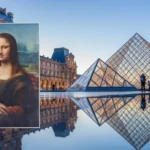
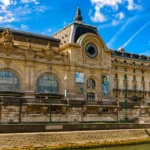
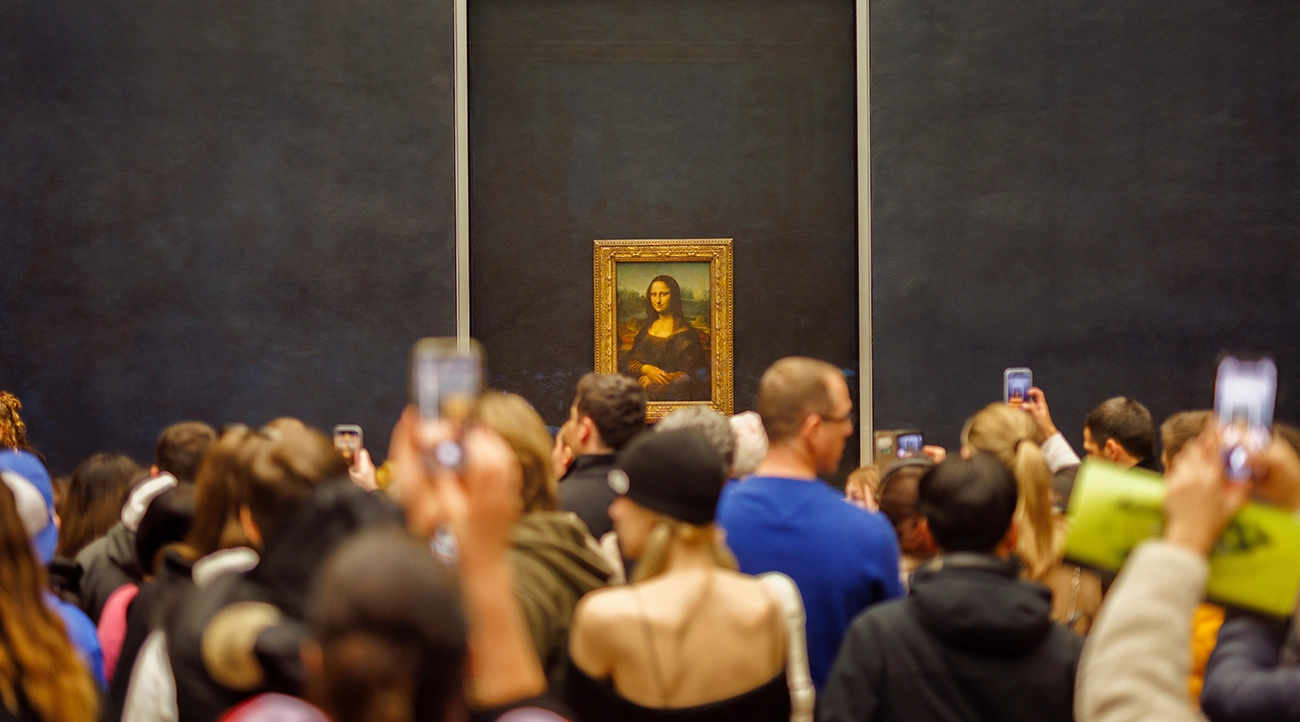
| The great museums (Louvre, Orsay) | Standard summer or seasonal attendance is tied to hourly reservations, with queues moving outside at security checkpoints. | They're crowded. Everyone in the city flocks here; lines at security lines grow, and tickets on the spot sell out instantly. |
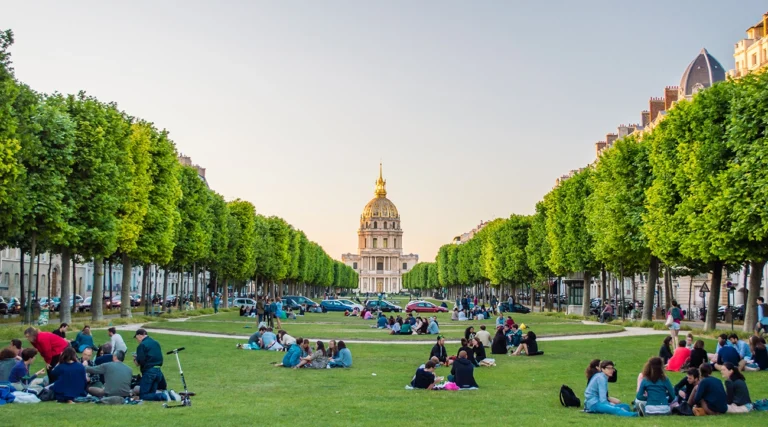

| Cafes and outdoor terraces | Tables fill the sidewalks; people sit outside to watch the world go by and enjoy the city light. | We move inside. The outdoor seating is closed or protected by awnings; the indoor seating becomes highly sought-after for breakfasts and long snacks. |
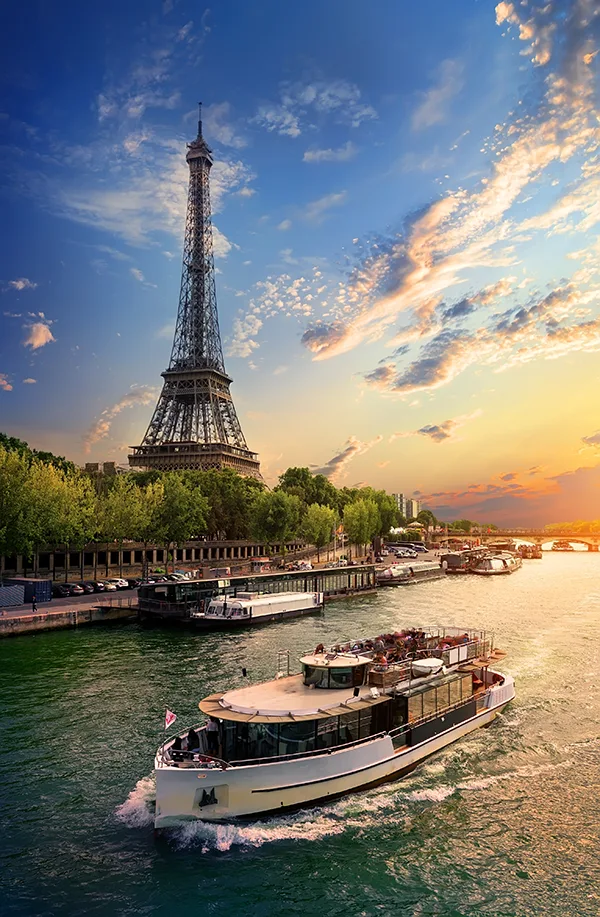
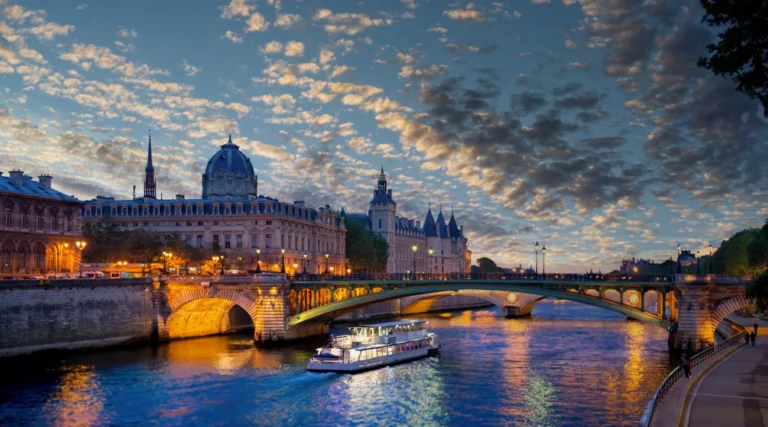
| Boats on the Seine | Everyone is looking for spots on the open upper decks to take unobstructed photos and enjoy the river breeze. | The glass-enclosed lower deck. The experience moves to the heated and covered lounges; the view of the wet monuments remains poetic and panoramic. |
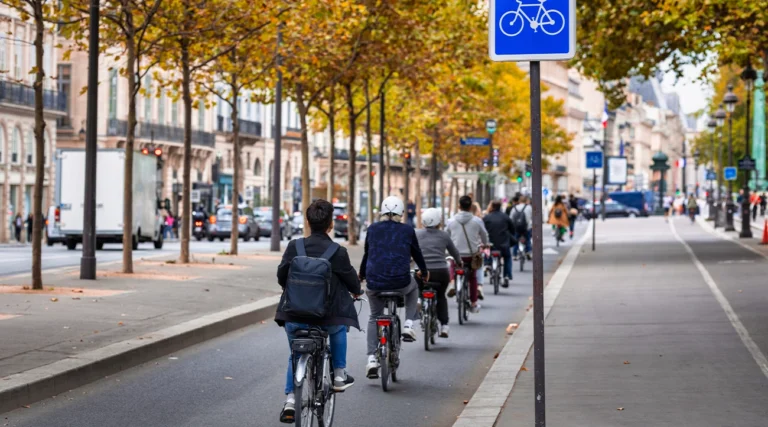
| Transport and travel | People walk a lot on foot or use rental bicycles to enjoy the urban views in complete freedom. | requests are booming metro and taxi stations metroare crowded, and finding a free taxi or Uber requires a much longer wait. |
JustParis tips: a rainy day itinerary
Pack an umbrella or poncho to navigate these recommended rainy weather attractions and experiences in the City of Light.
The best activities to do in the rain
Rearranging your plans due to bad weather doesn't mean you have to give up on discovering the city's authentic soul. In fact, rainy days offer the perfect excuse to deviate from traditional outdoor itineraries and seek refuge in monumental, historic, or unusual spaces.
The Covered Passages
Ideal for: strolling immersed in the atmosphere of 19th-century Paris, among exclusive boutiques, antique bookshops and retro cafés.
- Explore the Galerie Vivienne, famous for its stunning historic floor mosaics and elegant neoclassical architecture
- Discover the Passage des Panoramas, a true temple for stamp collectors and lovers of refined street food
- a glass and wrought iron labyrinth that runs through the buildings of the center, perfect for shopping without an umbrella
The Great Greenhouses of the Parks
Ideal for: Surrounding yourself with exotic, lush, tropical nature while remaining within majestic, heated monumental structures.
- Visit the historic Grands Grâces of the Jardin des Plantes, located in the heart of the fifth arrondissement
- admire rare plants, cacti, very tall palm trees and settings that faithfully reproduce the humid tropical forest
- the visual contrast between the windows wet from the rain outside and the heat inside creates an atmosphere suspended in time
The Department Stores
Ideal for: combining luxury shopping with the admiration of true architectural masterpieces famous throughout the world.
- The Galeries Lafayette and Printemps Haussmann offer miles of fully heated exhibition routes
- Look up to the sky to admire the immense Art Nouveau stained-glass dome of the Lafayette, a true work of art
- Take advantage of the underground floors or the gourmet areas dedicated entirely to excellent gastronomy for a culinary break
The Underground Museums
Ideal for: discovering the most hidden, mysterious and unusual side of the French capital, going below street level.
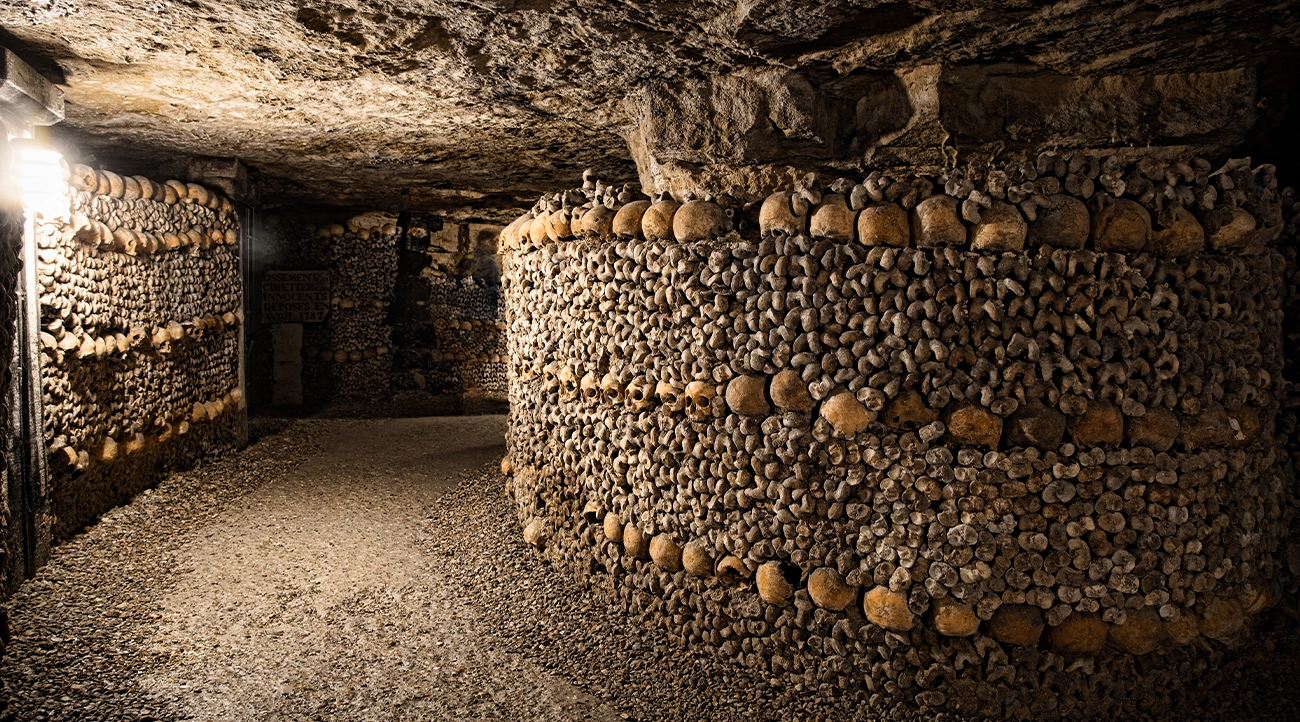
- Explore the Catacombs of Paris in the Montparnasse district for a breathtaking journey through the city's history
- Visit the Paris Sewer Museum (Musée des Égouts) to understand the incredible engineering and urban evolution
- entirely underground and weather-protected environments, an ideal solution during heavy passing storms
The 5 practical tips
Follow these tips to navigate the city underwater without experiencing logistical problems.
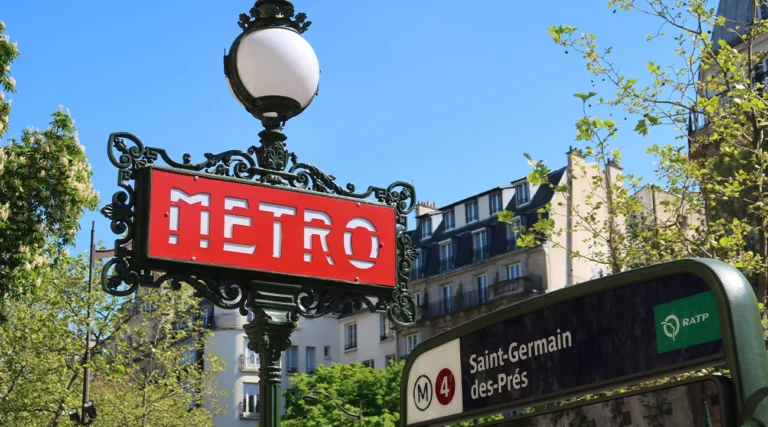
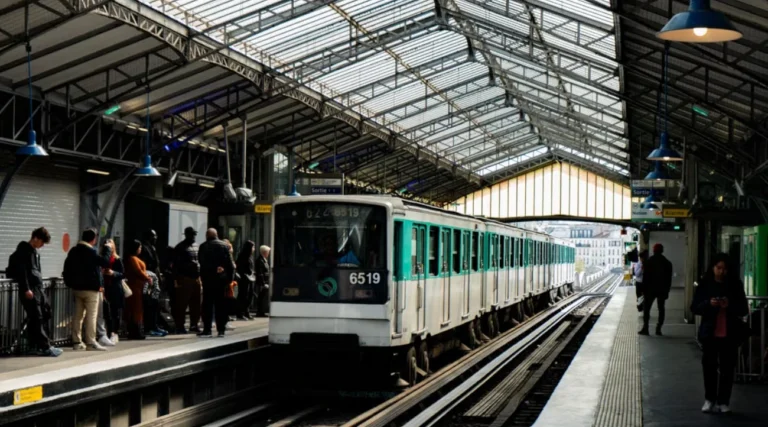
Use the metrostrategically at central hubs
Some metro, such as Châtelet or République, have very long underground tunnels that allow you to exit directly into certain shopping complexes or very close to attractions.
Download the official Paris taxi app (G7)
When it rains heavily, finding an Uber can become very expensive due to dynamic pricing. Official G7 taxis maintain fixed and transparent rates.
Take advantage of smaller and less frequented museums
Destinations like the Museum of Romantic Life (Musée de la Vie Romantique) or the Gustave Moreau Museum offer splendid interiors, intimate atmospheres, and very few crowds.
Bring a sturdy, collapsible umbrella with you
The drafts along the grand monumental avenues or near the Seine can be very strong; a good windproof umbrella will save your day.
Need to know
- The historic pavement becomes slippery
- Free museums are a great alternative
- Surface transport slows down
- Security checks at museums are outdoors
To keep in mind
- Visibility at panoramic points is reduced to zero
- The roofs of covered passages amplify the sound
- Waiting times for restaurants are increasing
- Parisian humidity can be penetrating
Summer activities in Paris
Frequently Asked Questions
Do boats on the Seine sail even if it rains heavily?
Yes, the main companies like Bateaux Parisiens and Bateaux Mouches continue to sail regularly. The boats on the Seine have spacious, fully enclosed lower saloons, which are heated and feature large panoramic windows that are ideal for viewing.
Are the covered passages in Paris all close to each other?
Most of the finest 19th-century galleries are concentrated in the second and ninth arrondissements (Grands Boulevards area). It's possible to map out a walking itinerary that allows you to move from one passageway to the next, minimizing outdoor sections.
Does the Eiffel Tower close in case of rain?
No, the facility remains open and accessible. However, in case of heavy rain accompanied by strong winds or thick fog, access to the top floor (the summit) may be temporarily suspended for safety reasons, and visibility may be significantly reduced.
Do city parks stay open if it rains?
Large enclosed historic parks (such as the Luxembourg or the Tuileries) remain open during normal rainfall, but are immediately closed to the public in the event of strong thunderstorms, weather warnings for strong winds, or violent storms due to the risk of falling branches.