































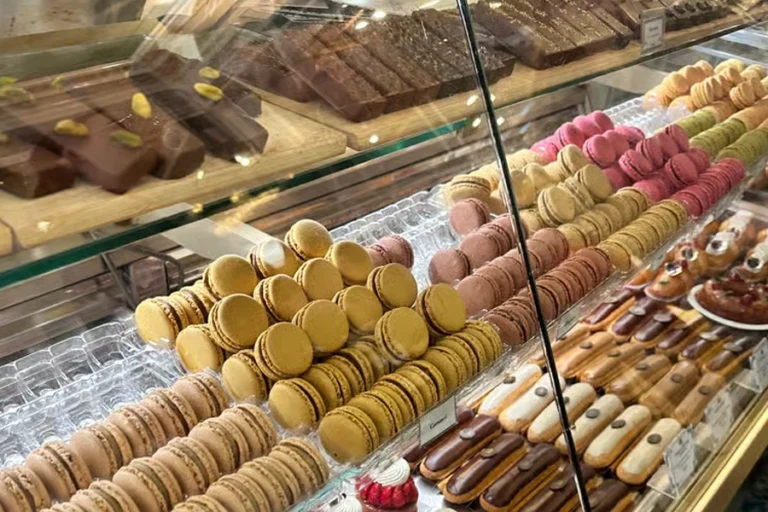
Exploring Paris's most charming neighborhoods through their most famous flavors allows you to fully understand the culture of precision and creativity that characterizes fine French patisserie. Wandering among fragrant stalls, crispy pastries, and glistening pralines accompanied by local experts not only guarantees the best tastings, but also saves you the long waits at the busiest shops by securing a reserved table.
Pastry and macaron tours: the most requested options
If you want to treat yourself to a sensory journey through the secrets of master chocolatiers and macaron makers, explore the digital offerings most loved and booked by gourmets.
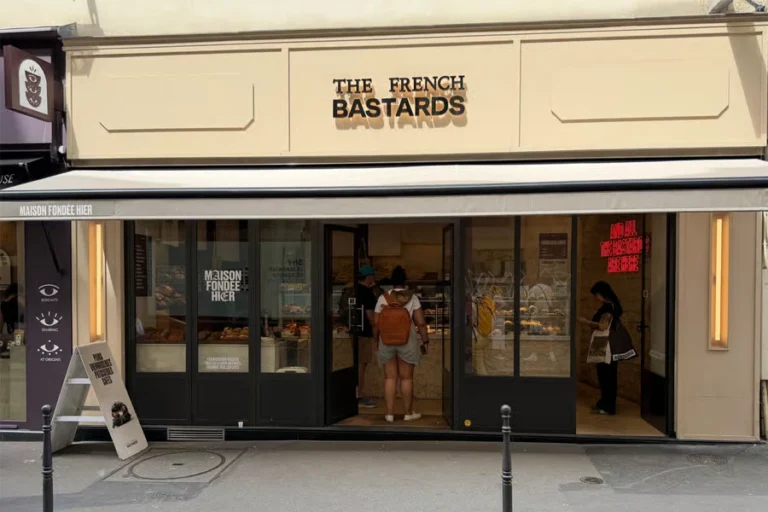
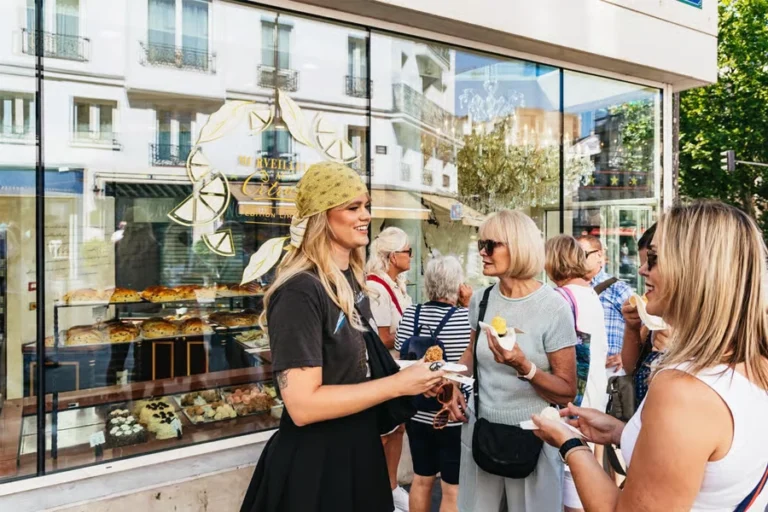
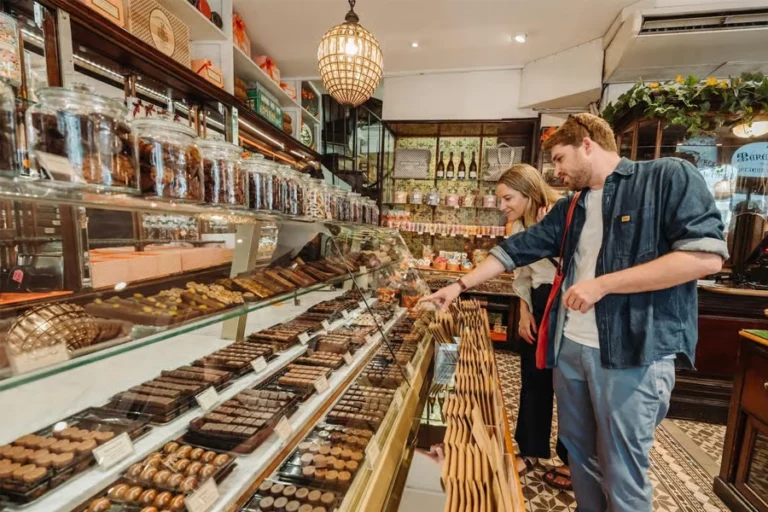
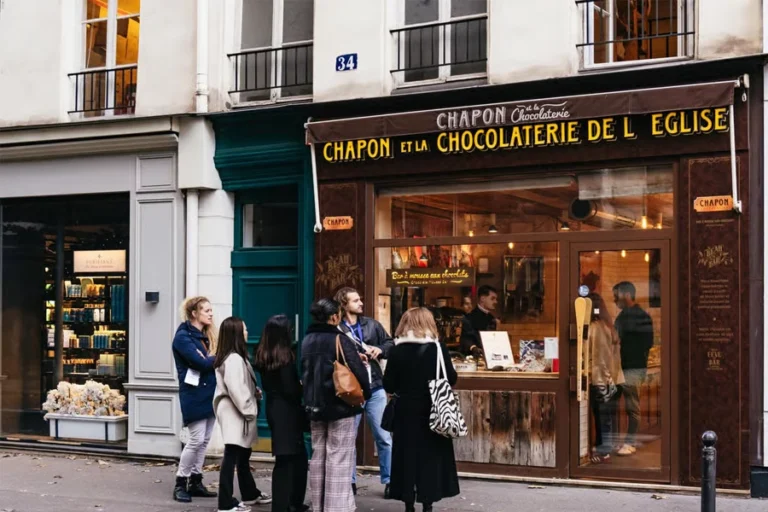
Saint-Germain: Chocolate and Sweets Walking Tour
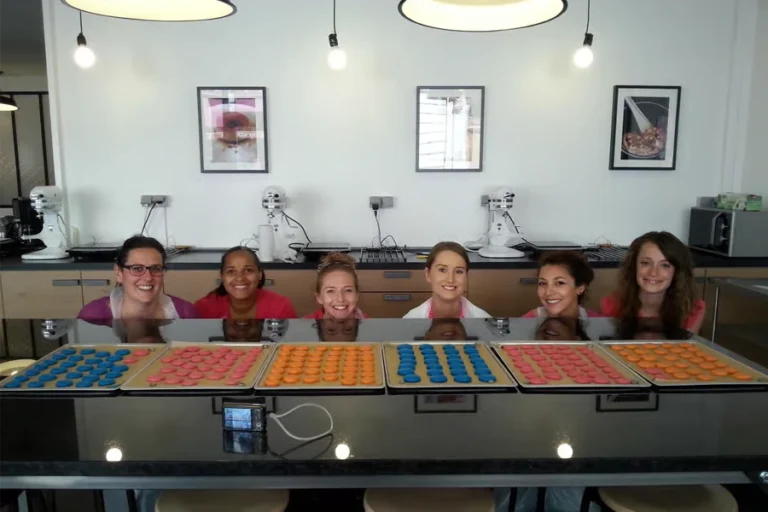
Macaron, croissant, or pastry-making class with a French chef
Which pastry and macaron tours should you choose?
The ideal combination depends on the areas you want to explore on foot and the type of engagement you want to have within the lab.
Do you love contrasts and prefer to combine sweet and savory flavors?
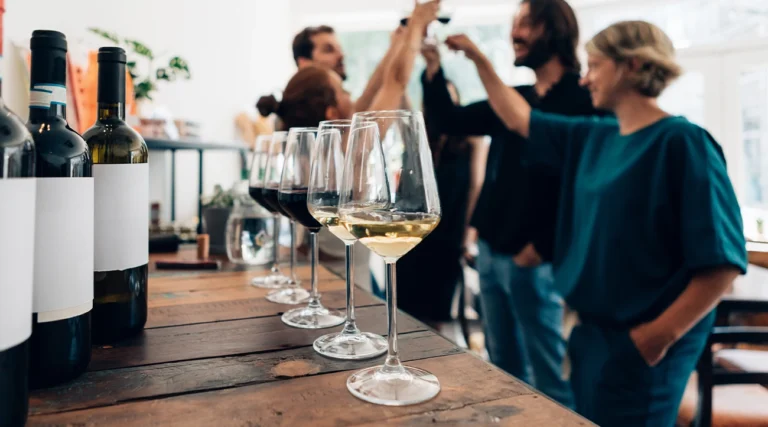
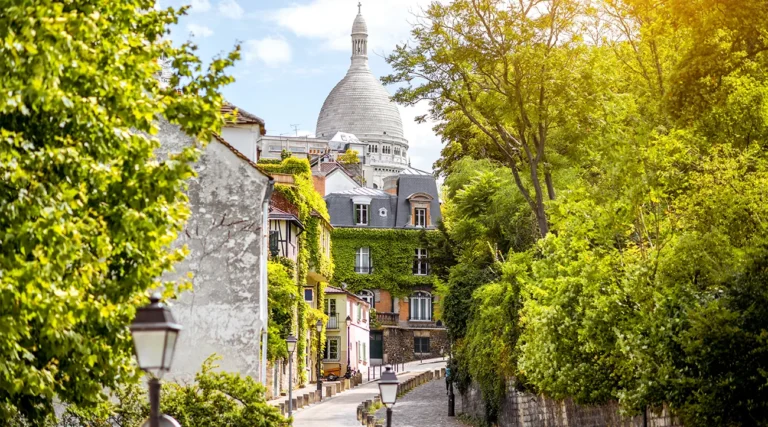
Opt for the Montmartre itinerary that combines wine, cheese, and dessert.
Are you a pure cocoa enthusiast?
Choose the thematic tour entirely focused on pastry making and chocolate.
Want to immerse yourself in the historic elegance of the Left Bank?
Book your dessert food tour in the Saint-Germain district.
Comparison of the main pastry and macaron tours
We have grouped the characteristics of the different routes and the services included in each package in this handy grid to help you find your ideal stop.
| Characteristics | Marais Tasting Tour | Classic Marais Tour | Pastry and Chocolate Tour | Practical Cooking Lesson | Tour Saint-Germain Sweets | Complete Montmartre Tour |
|---|---|---|---|---|---|---|
| Presence of an expert guide or master pastry chef | ✓ | ✓ | ✓ | ✓ | ✓ | ✓ |
| Practical laboratory with active cooking station | × | × | × | ✓ | × | × |
| Inclusion of savory tastings (cheese, cured meats or wine) | ✓ | × | × | × | × | ✓ |
| Tastings of macarons and pralines included in the itinerary | ✓ | ✓ | ✓ | ✓ | ✓ | ✓ |
| Walking tour through a historic neighborhood | ✓ | ✓ | ✓ | × | ✓ | ✓ |
| Price | 70 € | 80 € | 80 € | 95 € | 100 € | 120 € |
Prices for Pastry and Macaron Tours
Consult this summary table to compare the value of individual guided culinary itineraries and hands-on pastry-making lessons.
| Type of experience | Indicative price |
|---|---|
| Guided food tour of the Marais district with a flexible selection of local tastings | 70 € |
| A classic gastronomic stroll in the Marais, focusing on the excellence of pastry making | 80 € |
| Special themed walking tour dedicated entirely to the discovery of fine pastry and chocolate | 80 € |
| Interactive cooking class in the lab to learn how to make macarons, croissants, or traditional desserts | 95 € |
| An elite guided tour of the historic and exclusive pastry shops of the Saint-Germain-des-Prés district | 100 € |
| A comprehensive tour of Montmartre Hill, paired with tastings of fine cheeses, French wines, and artisanal desserts | 120 € |
The best pastry and macaron tours
We point out the fastest and most tested online circuits for purchasing your culinary passes, guaranteeing you access to small exclusive groups and top-quality ingredients.
Frequently Asked Questions - FAQ
How many tastings are usually included on walking tours?
The exact number varies based on the length of the route and the neighborhood chosen, but on average there are between six and eight different stops. Along the way, you'll have the opportunity to taste classic or innovative macarons, pure chocolate pralines, small cream puffs, traditional cakes, and, in some specific packages, even small savory pairings like cheese or a glass of wine.
What specifically do you learn during the practical pastry class?
The workshops put you in front of a truly professional workstation. Under the guidance of the chef, you'll learn the fundamental steps of French pastry making: from the technique for achieving the characteristic smooth surface and perfect "collarino" of macaron shells, to the secrets of layering puff pastry if you choose the croissant session, and then take home your homemade desserts.
Are food tours suitable for people with food allergies or celiac disease?
French pastries make extensive use of wheat flour, butter, eggs, and nuts (especially almond flour for macaron shells). Many guides can adapt some samples by notifying you when booking online, but for severe allergies or celiac disease, it's recommended to check well in advance for the availability of fully certified, contamination-free workshops.
How are groups structured to keep the experience enjoyable?
To ensure that each participant can listen to the guide's explanations inside the historic boutiques and move easily between the counters, the tours keep places very limited. Groups often number no more than eight or ten people, ensuring constant dialogue, attentive service, and the opportunity to ask questions of the pastry chefs encountered.
In which areas of the city do you stop during the Saint-Germain tour?
The route winds through the elegant streets of the Rive Gauche, a neighborhood renowned for hosting intellectuals and artists and now home to the workshops of France's most award-winning confectioners. You'll pause in front of the windows of avant-garde chocolatiers, visit historic boutiques serving traditional sweets unchanged for decades, and discover the latest culinary trends.
Are the tastings done standing along the street or do you sit down in the bars?
Most stops include picking up the sweet or chocolate directly from the artisan, then enjoying it outside or in adjacent spaces while the guide explains the history and production techniques. Some longer options (like the complete Montmartre tour) include one or two scheduled stops at the table to taste the wine and cheese combinations.
Is it necessary to have previous cooking experience to participate in the lessons?
Absolutely not. The courses are designed to accommodate enthusiasts of all levels, from complete beginners to those who want to perfect their home technique. The chef explains each step clearly and easily, closely following each participant's movements to correct their use of the piping bag or oven temperature management.
What happens if there is bad weather on the day of the walking tour?
Guided tours continue regularly, even in light rain or overcast conditions. The stops are mostly inside pastry shops or chocolate shops, offering frequent shelter. We recommend wearing comfortable shoes suitable for walking on the historic cobblestones and bringing an umbrella for walking between boutiques.