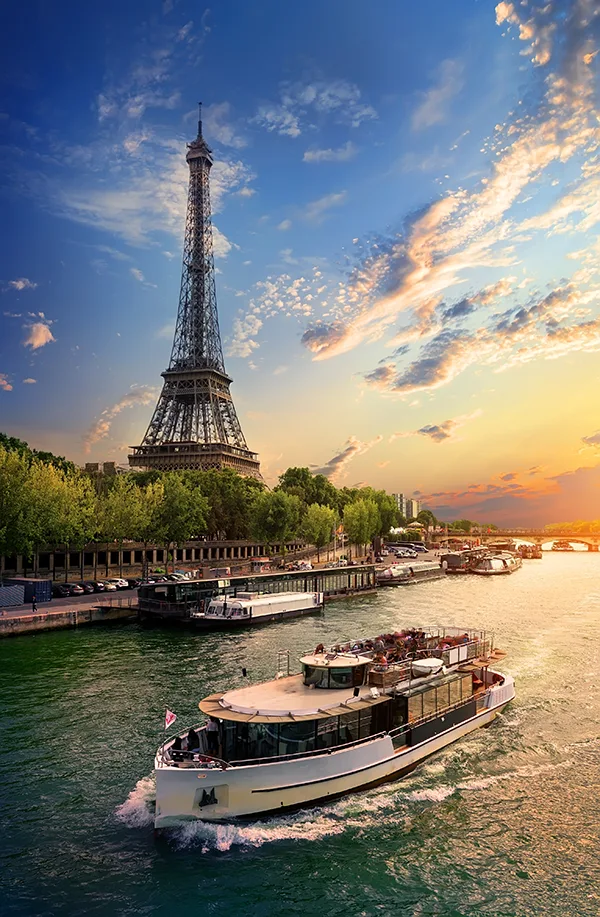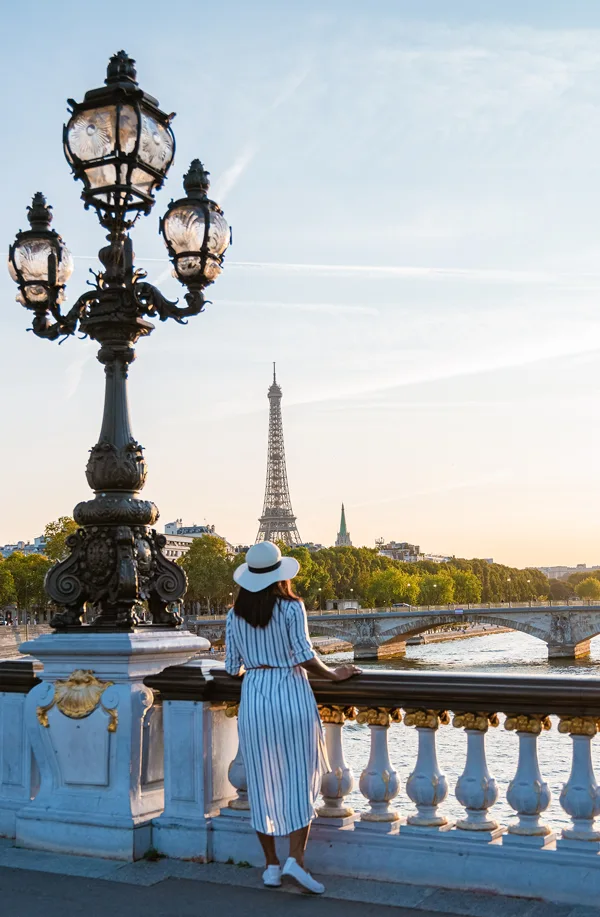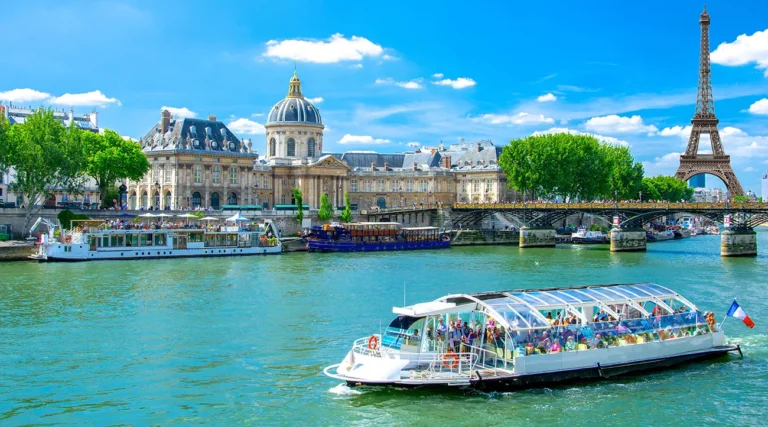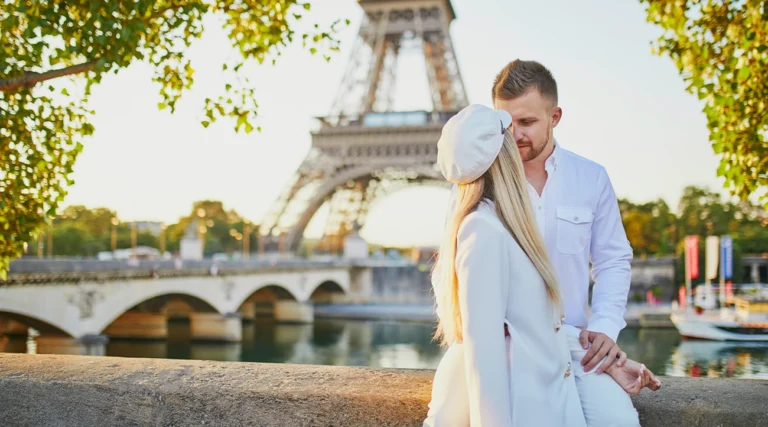


The Trocadéro: the large terrace overlooking the Seine and the Eiffel Tower

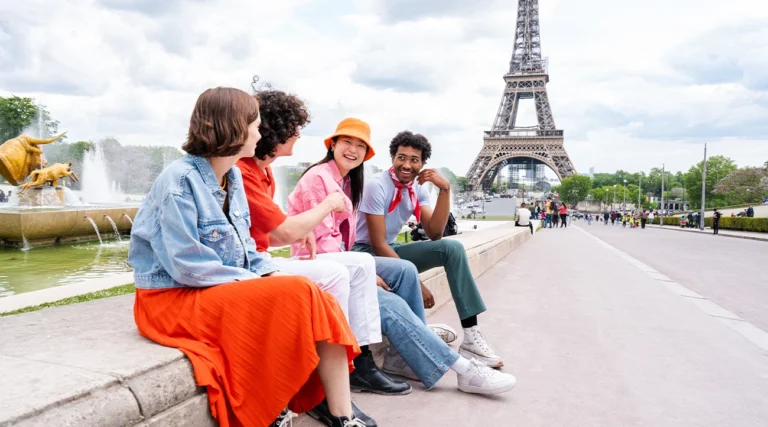
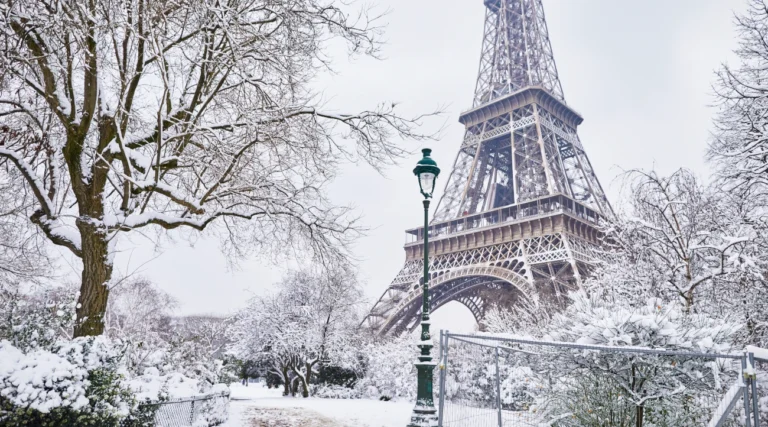
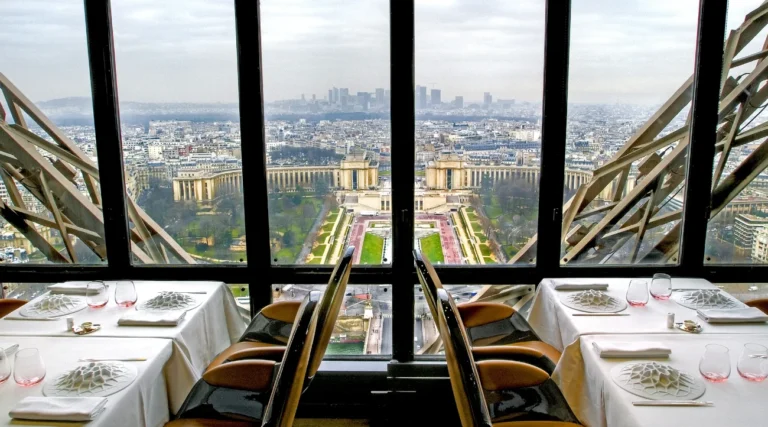
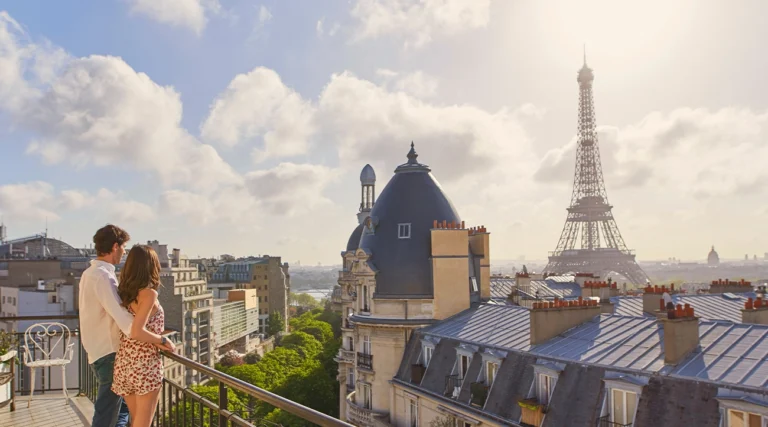
Look out over the capital's most famous monumental perspective, where the majesty of the fountains and 1930s architecture frame the view of the Eiffel Tower.

In short

Table of Contents

What to know before visiting the Trocadéro

The area extends along a steep slope that descends from the hill to the banks of the Seine via wide stairways. As the main hub for photographing the Eiffel Tower, the upper terrace area is constantly busy with visitors and street vendors at all hours of the day.

The strong points

  • Perfect and unobstructed photographic framing.
  • Large open spaces ideal for walking.
  • Exceptional museums concentrated in a single building.
  • Beautiful night lighting of the lower fountains.

To keep in mind

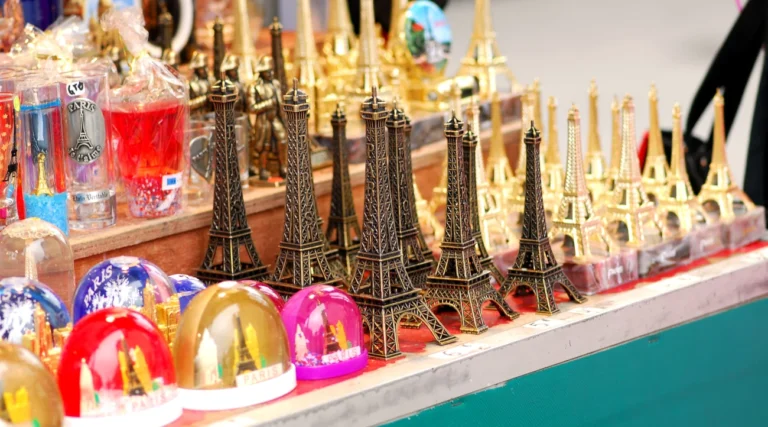
  • Massive presence of annoying souvenir sellers.
  • Few shelters in case of sudden rain.
  • High prices in the bars around the square.
  • Lots of stairs to climb down to the river.

What to see at the Trocadéro

The complex is arranged around the vast central esplanade, extending into the historic gardens and curved wings of the monumental Palais de Chaillot.

1

Esplanade du Trocadéro Not to be missed

The famous paved terrace located at the top of the hill, also known as the Parvis des Droits de l'Homme.

2

Palais de Chaillot

The imposing neoclassical structure dating back to the 1937 Exposition which houses theatres and national cultural institutions.

3

Warsaw Fountain

The spectacular system of cascading water basins equipped with powerful water cannons aimed towards the river.

4

Museum of Man

A fascinating scientific space entirely dedicated to the evolution of the human species, its anthropology, and culture.

5

City of Architecture and Heritage

The museum that houses gigantic plaster casts and reproductions of the greatest French monuments.

6

Gardens of the Trocadéro

The green area of ​​almost ten hectares surrounding the fountains, full of ancient trees and bronze sculptures.

7

Aquarium of Paris

The historic underground entertainment facility located in the gardens, home to thousands of marine species and sharks.

8

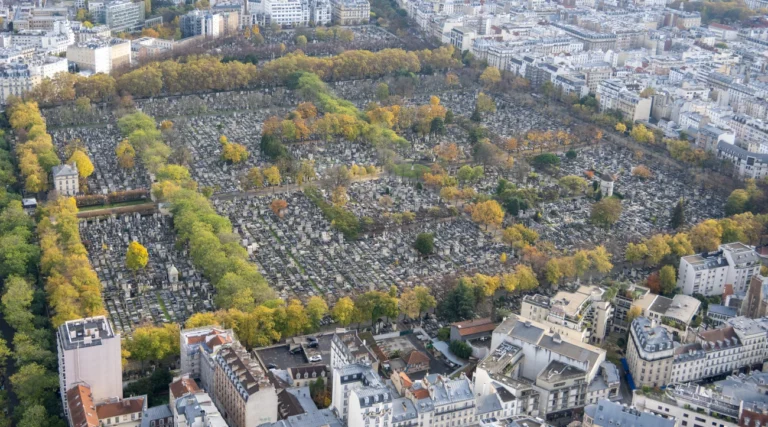
Trocadéro Cemetery

A small and intimate, secluded monumental cemetery where celebrities from the world of art and painting are buried.

The visit to the Trocadéro

Exploration of the site focuses primarily on visual contemplation and architectural photography, pairing perfectly with cultural visits to museums.

Experiences to do at the Trocadéro

Admire the perfect symmetry of the palace's golden sculptures before descending along the tree-lined paths of the gardens to enjoy the spectacle of the functioning water jets.

Powered by GetYourGuide

Need to know

  • The name celebrates a military battle won by the French in Spain in 1823.
  • On the hill there previously stood a sumptuous Moorish palace which was demolished in 1935.
  • The Universal Declaration of Human Rights was signed on the esplanade in 1948.
  • The palace's basement houses one of the city's largest national theatres.

Practical advice

  • Arrive early in the morning to avoid the crowds.
  • Be careful of pickpockets on the upper terrace.
  • Visit the Musée de l'Homme bar for a unique view.
  • Use the side ramps if you are moving with strollers.

How to get to the Trocadéro

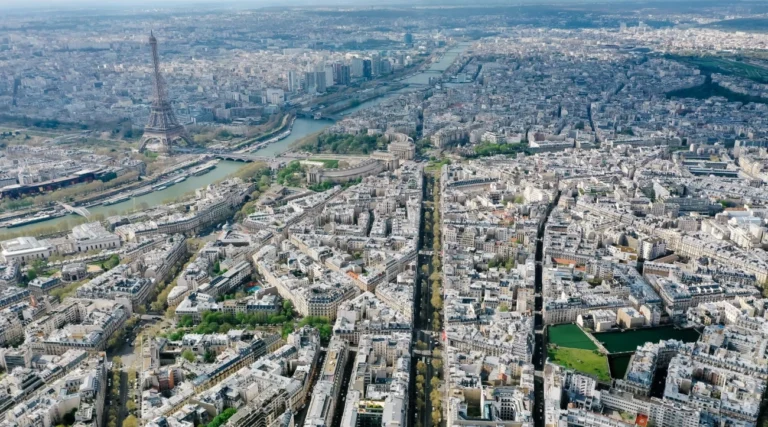
Its location on the right bank, facing the Champ de Mars, makes the district a natural landing point for anyone starting an itinerary towards the Eiffel Tower.

Metro

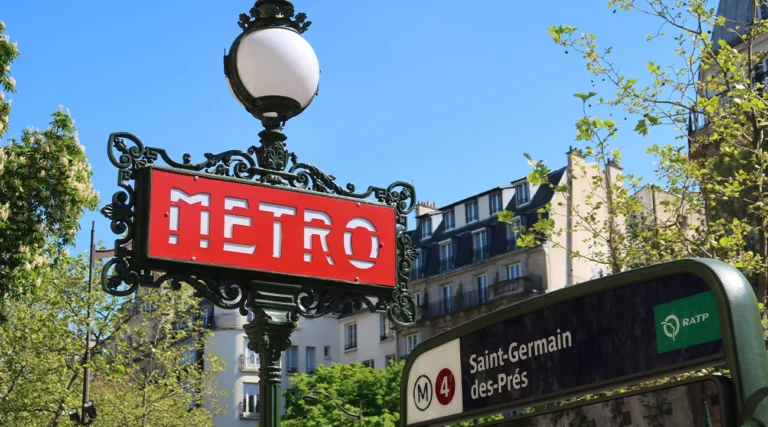
Lines 6 and 9 stop at Trocadéro, with exits leading directly to the main square.

Bus

Lines 22, 30, 32, 63 and 72 regularly serve the perimetermetro the hill and the platforms.

Standing

Reachable by crossing the Pont d'Iéna starting directly from the lower base of the Eiffel Tower.

Bicycle

The cycle paths along the river connect to the Vélib station located near the lower gardens.

Midpoint: Expl. du Trocadéro

History of the Trocadéro

The hill of Chaillot, on which the Trocadéro monumental complex stands today, represented for centuries a strategic vantage point overlooking the surrounding Parisian countryside. In the seventeenth century, Queen Marie de' Medici purchased the land to build a country residence, later transformed into an important monastery visited by the nobility. The site's purely religious vocation was abruptly interrupted by the events of the French Revolution, which led to the confiscation of the structure and the progressive demolition of its sacred buildings.

Napoleon Bonaparte saw the hill's unique scenic potential and planned to build a colossal imperial palace there for his son, the King of Rome, but the fall of the Empire permanently halted the ambitious land-based construction project. The area remained partially abandoned until 1878, when the Trocadéro Palace was inaugurated for the Universal Exhibition. This bizarre structure in Moorish and Byzantine style, featuring two tall radial towers, became a symbol of the modern engineering of the era, welcoming the first international visitors.

In preparation for the new International Exhibition of 1937, the old Moorish building was partially demolished and incorporated into the new, monumental Palais de Chaillot, designed according to the rigid canons of 1930s monumental neoclassicism. The towers were removed to make room for the large open terrace we still admire today, creating a perfect, uninterrupted visual axis that ideally connects the hill to the Champ de Mars, definitively consecrating the site as the great monumental belvedere of Paris.
Curiosities about the Trocadéro

What to book at the Trocadéro and its surroundings

Where to sleep in the Trocadéro

Where to eat at the Trocadéro

Café du Trocadéro

An elegant and refined corner restaurant offering classic Parisian cuisine overlooking the famous Upper Esplanade.

8 Place du Trocadéro

Carettte

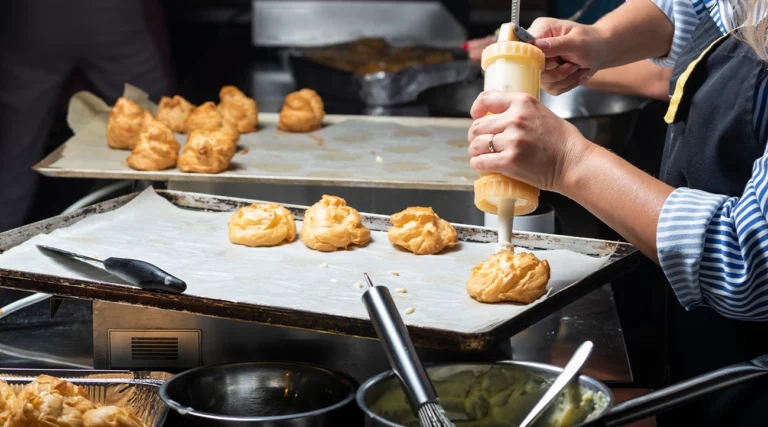
A historic Parisian patisserie famous throughout the city for its exceptional thick hot chocolate and refined artisanal vintage cream puffs.
4 Place du Trocadéro

Giraffe

An exclusive restaurant located inside the palace, famous for its fresh seafood dishes and a terrace with a close-up view of the tower.
1 Place du Trocadéro

Frequently Asked Questions

What is the exact spot to take the classic photo of the Eiffel Tower?

The exact center of the Esplanade du Trocadéro offers the ideal and most famous symmetrical shot sought after by photographers and visitors.

The reference underground station is directly served by lines 6 and 9 of the transport network.

No, the large upper terrace and the gardens below are completely open and free public spaces.

The palace houses the collections of the Musée de l'Homme, the Cité de l'Architecture and the prestigious National Marine Museum.

A complete walk on the terrace, along the steps and around the fountains in the gardens usually takes about an hour.

No, the large water cannons are activated at regular intervals throughout the day, especially in the hot summer months.

Yes, the sides of the Palace of Chaillot feature ramps and paved paths that allow you to bypass the wide central stone staircases.

Of course, the old Aquarium de Paris is located right inside the Trocadéro gardens and is an ideal destination for families.

Yes, the area is well-lit and patrolled by law enforcement, although you have to be very careful of pickpockets in the evening crowds.

Other attractions to book in Paris

You might also be interested in...

The journey continues…

Hop on Hop off in Paris
Restaurant with a view of Notre Dame
Disneyland Paris Castle at night during the show
Paris 2-day itinerary
Pont Neuf illuminated at night
Degradation near a Paris metro station

Activities and tours you can't miss

Share:
Previous
Opera
Next
Champs-Élysées: the capital's monumental stage