

In short
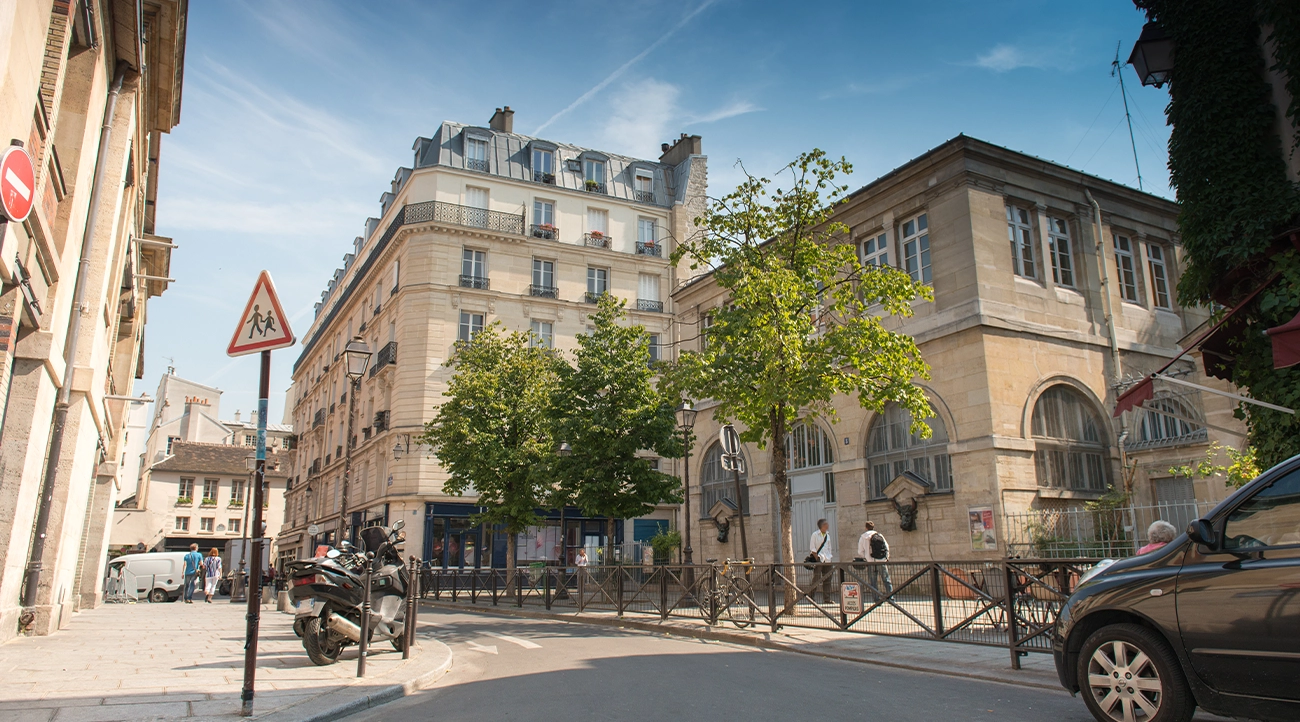
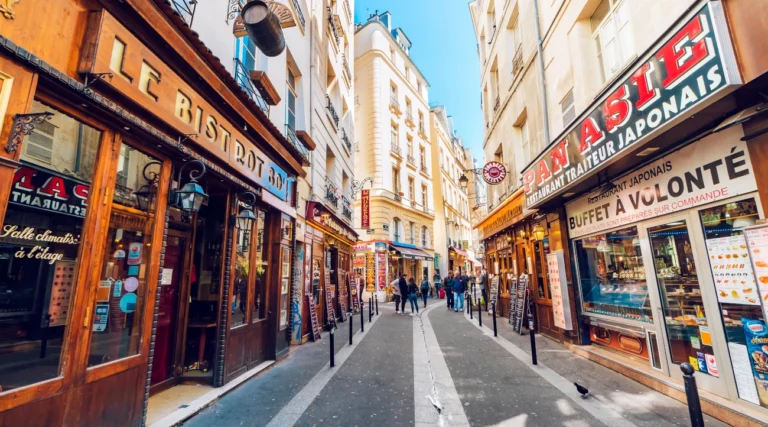
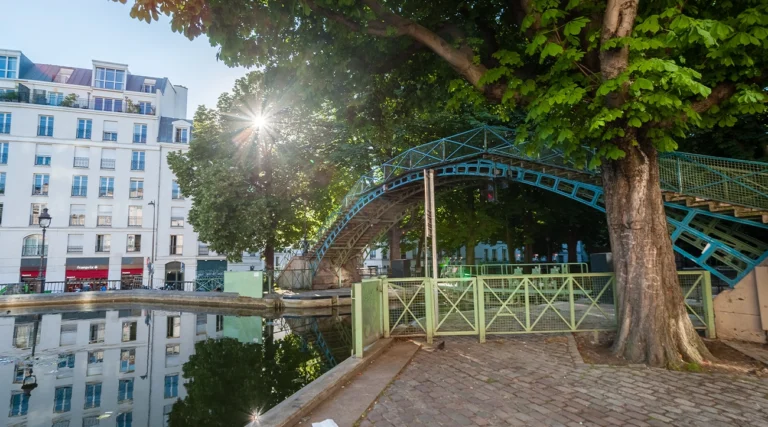
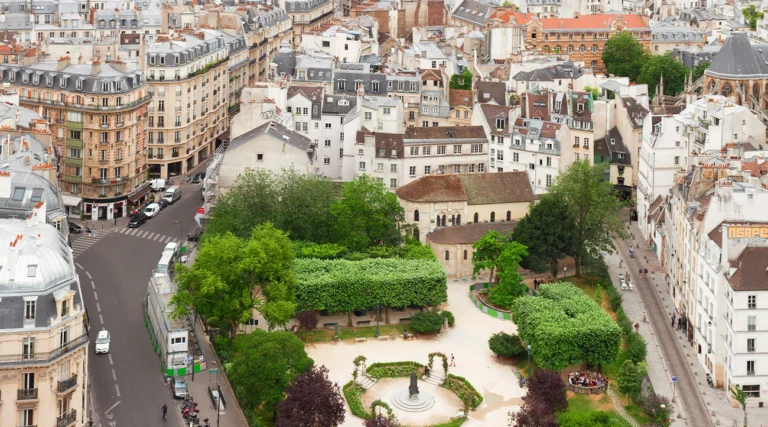
Le Marais is one of Paris's liveliest and most charming neighborhoods, famous for its elegant historic homes, cobblestone streets , and vibrant atmosphere of shops, cafes, and art galleries. Strolling through its narrow streets, you'll discover hidden courtyards, independent boutiques, museums, and some of the city's most beautiful squares.
- The ancient heart of the city that escaped Haussmann's cuts.
- Nerve center of independent fashion and galleries.
- Extraordinary variety of traditional and Middle Eastern cuisine.
- Monumental historical heritage freely accessible on foot.
☰ Table of Contents
What to know before visiting Le Marais
The area is easy to navigate, but requires a keen eye to spot the historical details hidden behind the large wooden doors of the buildings. Knowing how to navigate its streets means alternating shopping sprees with high-profile cultural experiences.
The strong points
- Splendid symmetrical Place des Vosges.
- Prestigious museums with free admission.
- Fashion boutiques unique in the world.
- Lively and inclusive nightlife.
To keep in mind
- Very crowded Sunday for shops.
- Narrow streets with small sidewalks.
- Average prices in the premises are high.
- Many museums are closed on Mondays.
What to see in Le Marais
The urban fabric offers an impressive monumental density, combining historic squares with world-class exhibition spaces and unique civil architecture.
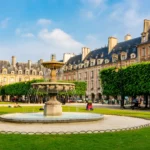
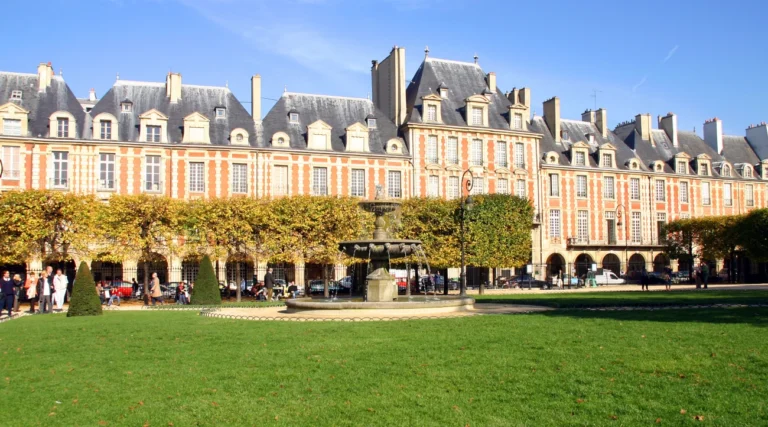
Place des Vosges Not to be missed
The oldest royal square in Paris, surrounded by symmetrical red brick buildings.
Carnavalet Museum
The wonderful exhibition space entirely dedicated to the long and fascinating history of Paris.
House of Victor Hugo
The historic residence where the writer conceived many of his literary masterpieces.
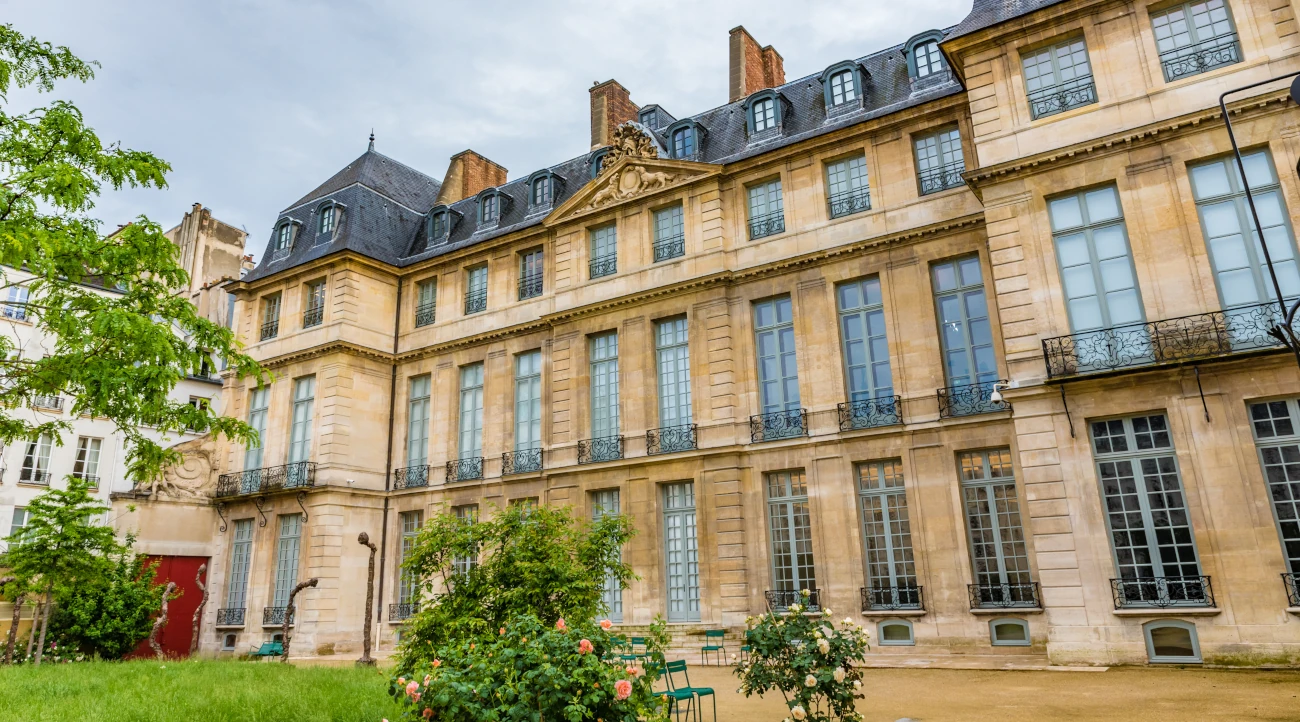
Picasso Museum
A monumental collection housed in the rooms of the sumptuous and elegant Hôtel Salé.
Rue des Rosiers
The main street of the historic Jewish quarter, famous for its culinary specialties.
Hotel de Soubise
A spectacular noble palace that houses the National Archives and a secret garden.
Centre Pompidou
The famous avant-garde structure that houses Europe's greatest collections of modern art.
Marché des Enfants Rouges
The capital's oldest covered market, perfect for sampling international dishes.
The visit to Le Marais
Exploring the neighborhood doesn't follow any strict rules and is ideal for both photography enthusiasts and those simply looking for a relaxing stroll.
Experiences to do in Le Marais
Lose yourself among the internal courtyards of the old hôtels particuliers and spend some time discovering the small independent bookshops and contemporary art galleries that dot the entire area. Want to take a guided tour?
Need to know
- The neighborhood stands on a former reclaimed marshland.
- It almost entirely escaped the massive demolitions of the nineteenth century.
- It is home to the largest Jewish community in the city.
- The splendid Place des Vosges was originally called Place Royale.
Practical advice
- Explore the internal courtyards which are often open during the day.
- Visit the Marché des Enfants Rouges for lunch.
- Buy Musée Picasso tickets online.
- Walk on foot to appreciate every architectural detail.
How to get to Le Marais
Reaching this central area is extremely convenient from any point in the city thanks to the dense rail and surface network that delimits its external borders.
Line 1, Saint-Paul stop , for the heart of the neighborhood; Line 8, Chemin Vert stop , for the northern area.
Lines 29, 69, 76, and 96 run through the area with strategic stops near the museums.
Immediate and suggestive access by crossing the Seine from the Île de la Cité or from the Place de la Bastille.
The numerous Vélib stations located on the sidewalks allow you to pedal safely along the reserved lanes.
Central point: 91-89 Rue Vieille du Temple
Official Transport Paris
- Paris Metro Map
- RER tickets and fares
- Taxis in Paris (numbers and alternatives)
History of Le Marais
The neighborhood's name itself reveals its medieval origins, deriving directly from the French term meaning marshland. This area, located on the right bank of the Seine, was reclaimed starting in the twelfth century thanks to the tireless work of religious orders, particularly the Knights Templar. The real monumental turning point, however, came at the beginning of the seventeenth century, when King Henry IV ordered the construction of the Place Royale, now the Place des Vosges. This urban development transformed the entire area into the most sought-after district of the Parisian aristocracy.
Read moreShow less
Read moreShow less
The nobles competed to build their sumptuous hôtels particuliers, extraordinary private residences characterized by imposing gates, courtyards of honor, and geometric internal gardens. However, when the royal court moved permanently to Versailles, the neighborhood was gradually abandoned by the wealthy classes, being gradually occupied by artisans, merchants, and immigrant communities, particularly of Ashkenazi Jewish origin.
In the twentieth century, many of these historic structures were at risk of demolition due to decay. They were saved by the providential intervention of André Malraux in 1962, who promoted a special law for the protection of historical heritage. This preservation plan allowed the Marais to be reborn, transforming over the past decades into a cutting-edge hub for contemporary art, fashion, and international culture.
Curiosities about Le Marais
Behind the elegant facades lie historical anecdotes and urban records that testify to the incredible stratification of this part of Paris.
- The oldest house: at number 3 Rue de Montmorency stands the home of Nicolas Flamel, the famous alchemist, built in 1407.
- The old borders: in Rue de Birague you can still glimpse the ancient passages that led to the stables and royal outbuildings.
- Fragments of walls: near the Lycée Charlemagne, the most extensive remains of the thirteenth-century walls of Philip Augustus are visible.
- The name change: Place des Vosges was renamed in honor of the first French department to pay revolutionary taxes.
What to book in and around Le Marais
Where to sleep in Le Marais
Find the best accommodations in Le Marais with our in-depth comparison.
Where to eat in Le Marais
L'As du Fallafel
The most famous place to enjoy the best falafel in the city, served hot with fried eggplant and tasty artisanal sauces.
34 Rue des RosiersBut Burgundy
A welcoming traditional bistro located under the historic arcades, ideal for sampling Burgundian specialties and excellent selected wines.
19 Place des VosgesChez Janou
A delightful corner of Provence in the heart of Paris, famous for its authentic Mediterranean cuisine and an impressive list of pastis.
2 Rue Roger VerlommeFrequently Asked Questions
What makes the Marais neighborhood special?
Its exceptional preservation of medieval and Renaissance architecture, combined with one of the liveliest and most innovative cultural and fashion scenes in the entire French capital.
What is the most convenient metrostop?
The Saint-Paul station on line 1 allows you to immediately find yourself in the geometric center of the neighborhood, just a few steps from the shopping streets.
Are the Marais shops open on Sundays?
Yes, unlike other areas of the city, most boutiques, markets, and businesses remain open throughout Sunday.
How much time should you dedicate to visiting the neighborhood?
To stroll calmly through the main streets, explore the Place des Vosges and visit at least one internal museum, you will need about three or four hours.
Is this a safe area to visit during the evening hours?
Certainly, it is one of the liveliest, brightest and safest districts in Paris, frequented until late at night thanks to its numerous clubs and restaurants.
Which free museums can you visit in the Marais?
The Musée Carnavalet, entirely dedicated to urban history, and the Maison de Victor Hugo offer free access to their rich permanent exhibition collections.
Is it easy to get around the Marais with strollers?
Yes, although the historic cobblestone pavement of some narrow streets and the narrow sidewalks require some care when walking.
Is it easy to get around the Marais with strollers?
The historic center, historically known as Pletzl, develops mainly along the characteristic Rue des Rosiers and in the streets immediately adjacent to it.
What are the most important noble palaces to see?
The most magnificient buildings are the Hôtel de Soubise, the Hôtel de Sully with its splendid passageway courtyard, and the Hôtel Salé, currently home to the Picasso Museum.