

Saint-Germain-des-Prés

Stroll through the district that symbolizes Parisian existentialism, where art galleries, historic literary cafés, and high-fashion boutiques blend together in a timeless atmosphere.

In short

Table of Contents

What to know before visiting Saint-Germain-des-Prés

The district is compact and easily explored on foot, offering a perfect blend of medieval heritage and contemporary luxury. As one of the capital's most exclusive areas, the prices of cafés and restaurants fully reflect its fame.

The strong points

  • Presence of historic monumental cafes.
  • The oldest abbey in the city.
  • Beautiful squares and secluded alleys.
  • High-end tailoring shopping.

To keep in mind

  • Very high prices on the menus.
  • Considerable crowding in the famous cafes.
  • Art galleries closed on Sundays.
  • Sometimes very formal atmosphere.

What to see in Saint-Germain-des-Prés

The urban fabric revolves around its ancient abbey, developing into a maze of elegant streets that house intimate museums and historic literary circles.

1

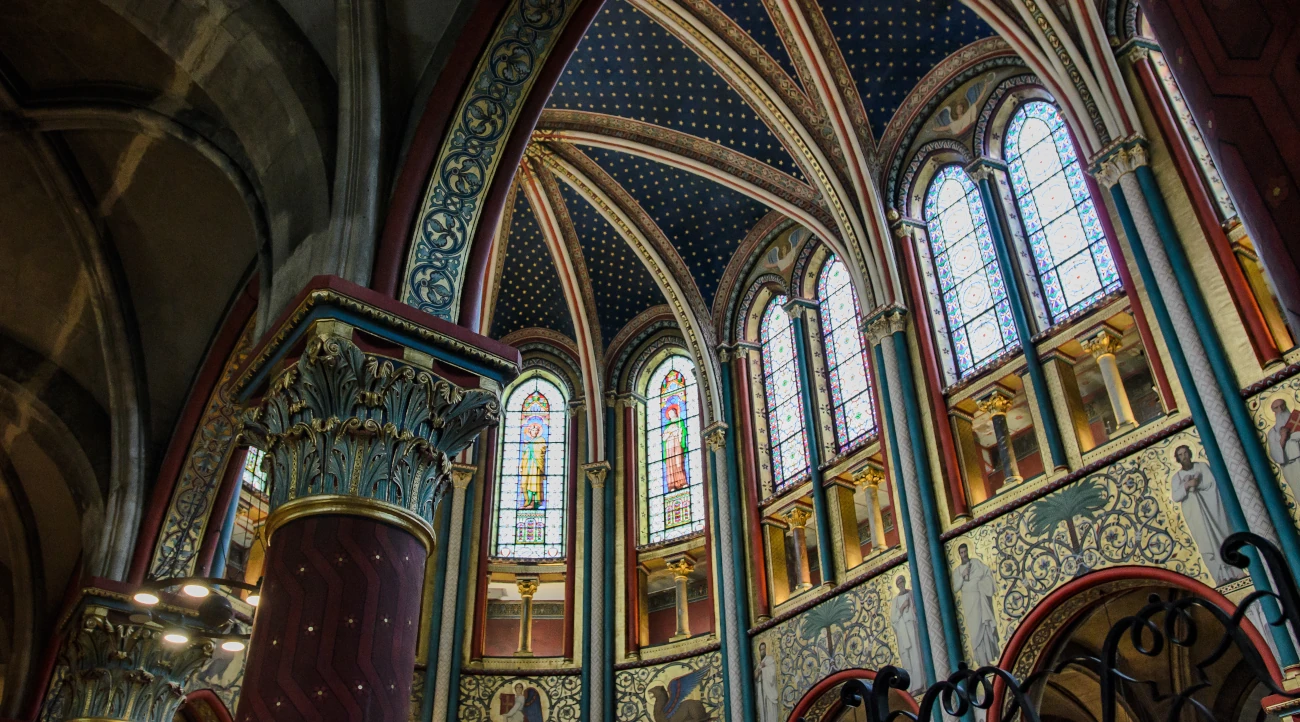
Abbey of Saint-Germain-des-Prés Splendid

The oldest church in Paris, home to extraordinary medieval stories and splendid 19th-century frescoes.

2

Café de Flore

The legendary Parisian venue that served as the office and meeting place of Jean-Paul Sartre and Simone de Beauvoir.

3

The Two Magots

Historic literary café, rival of the Flore, regularly frequented by the greatest writers and artists of the twentieth century.

4

Musée National Eugène Delacroix

The last home and studio of the famous Romantic painter, overlooking one of the neighborhood's most secret squares.

5

Church of Saint-Sulpice

The monumental baroque structure famous for its frescoes by Delacroix and the celebrated astronomical gnomon.

6

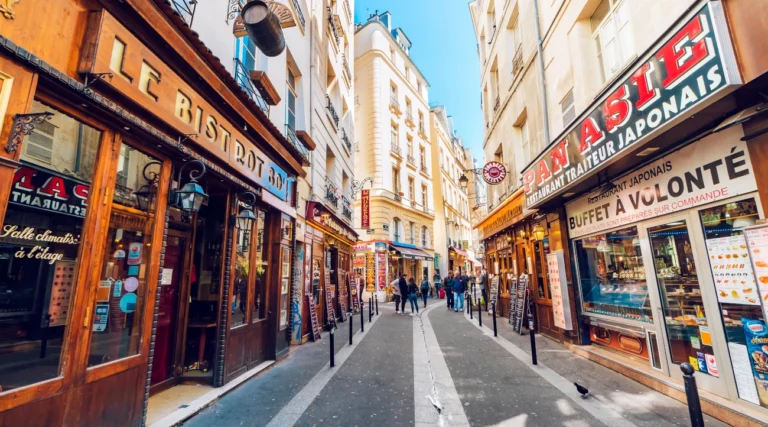
Cour du Commerce Saint-André

An evocative historic pedestrian passageway that encloses the oldest still-operating café in the capital.

7

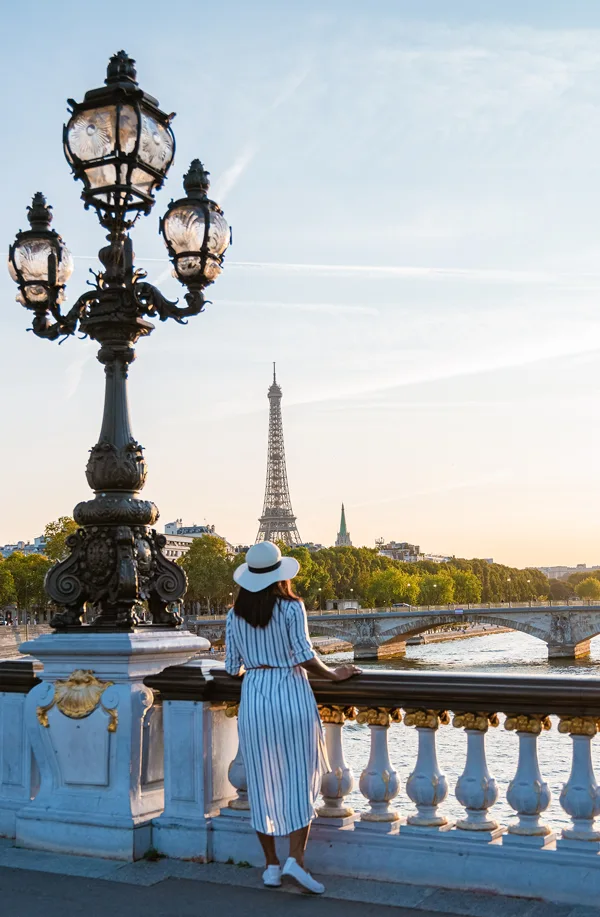
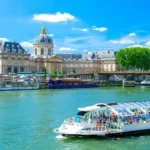
Bridge of Arts

The famous pedestrian walkway that connects the neighborhood to the Louvre, offering extraordinary photographic views of the Seine.

8

Rue de Buci

A lively pedestrian street filled with outdoor cafes, flower markets, and historic food stalls.

The visit to Saint-Germain-des-Prés

Exploring this elegant part of the Left Bank alternates moments dedicated to luxury shopping with long, reflective pauses inside its famous cafés.

Experiences to do in Saint-Germain-des-Prés

Sip a coffee at the outdoor tables that saw the birth of modern philosophical thought before venturing into the shops of the art dealers and antique dealers of Rue de Seine, or take part in a guided tour.

Powered by GetYourGuide

Need to know

  • The original abbey was founded in the sixth century to house sacred relics.
  • It was the world center of existentialism and jazz in the post-war period.
  • The area is home to the prestigious Institut de France, home of the Académie Française.
  • Many buildings still retain their historic medieval underground cellars.

Practical advice

  • Be prepared to spend a lot for a coffee at Flore.
  • Look for the mysterious sundial inside the church of Saint-Sulpice.
  • Explore Place de Furstemberg during sunset.
  • Avoid the main roads to discover quiet alleys.

How to get to Saint-Germain-des-Prés

Its strategic location opposite the Louvre Museum makes the district easily accessible both by underground lines and by pleasant scenic walks.

Metro

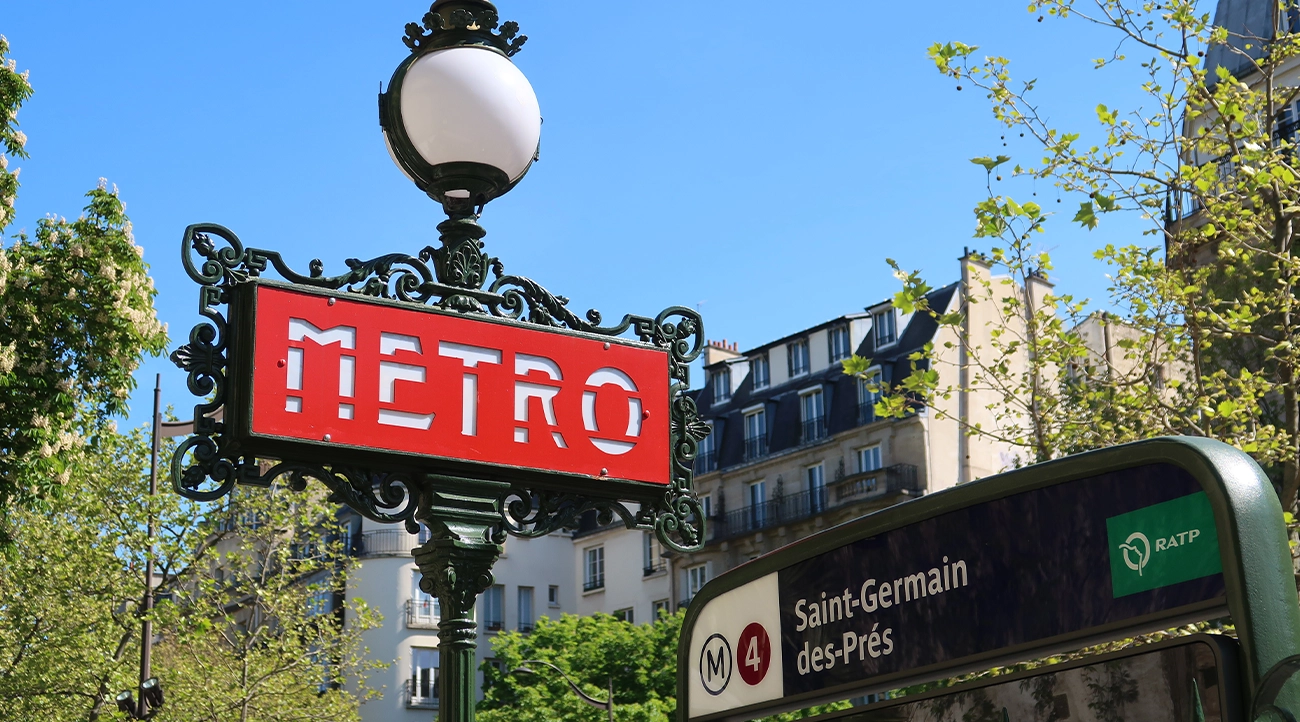
Line 4 , Saint-Germain-des-Prés stop , for the city center; Line 10, Mabillon stop, for the market area.

Bus

Lines 39, 63, 70, 86 and 95 directly connect the area with the main stations.

Standing

Spectacular access crossing the Pont des Arts starting directly from the right bank of the river.

Bicycle

The convenient cycle paths along Boulevard Saint-Germain allow you to get around easily using the Vélib network.

Central point: 34 Rue Jacob

History of Saint-Germain-des-Prés

The historic core of this refined Parisian district developed entirely around the foundation of the Abbey of Saint-Germain-des-Prés, built in 558 by the Merovingian king Childebert I. Surrounded by fertile fields and meadows on the left bank, the monastic complex quickly became one of the richest and most influential spiritual and cultural centers of the kingdom of France, enjoying complete legal and territorial independence from the city. This autonomy allowed the emergence of an autonomous fortified village that prospered thanks to thriving trade fairs and artisan markets.

During the seventeenth century, the area began to attract the attention of the aristocracy and the cultured Parisian bourgeoisie, who financed the construction of elegant private homes and the opening of the famous Café Procope in 1686, considered the world's first true literary café. It was here that Enlightenment intellectuals such as Voltaire, Diderot, and Rousseau gathered to discuss ideas that would change the course of history.

The true identity revolution, however, took place during the twentieth century, particularly after World War II. Saint-Germain-des-Prés became a favorite retreat for philosophers, writers, and musicians. Jean-Paul Sartre and Simone de Beauvoir chose the tables of local cafés as their personal offices, while the neighborhood's underground cellars reverberated with the sounds of American jazz, establishing the area as an enduring symbol of intellectual freedom and Parisian cultural rebirth.

Curiosities about Saint-Germain-des-Prés

What to book in and around Saint-Germain-des-Prés

Where to sleep in Saint-Germain-des-Prés

Where to eat in Saint-Germain-des-Prés

The Procope

The oldest restaurant in Paris, where you can enjoy the great classics of French cuisine in rooms filled with unique historical memorabilia.

13 Rue de l'Ancienne Comédie

Brasserie Lipp

A Parisian institution with beautiful period mirrors, famous for its exceptional Parisian sauerkraut and traditional dishes frequented by politicians.

151 Boulevard Saint-Germain

The Relais de l'Entrecôte

A world-famous restaurant specializing in one iconic dish: tender beef sirloin served with a secret sauce and fries.

20 Rue Saint-Benoît

Frequently Asked Questions

What differentiates Saint-Germain from other neighborhoods in Paris?

Its unique historical connection to the literary and existentialist movements of the twentieth century, combined with a high-profile architectural and commercial elegance.

The Café de Flore and Les Deux Magots, located next to each other on the Boulevard Saint-Germain, are the absolute symbols of the intellectual life of the area.

Yes, as it is the oldest restaurant in the city and a highly sought-after historical destination, online reservations are highly recommended for dinner.

Of course, access to the main nave of the historic Abbey of Saint-Germain-des-Prés is completely free and open to all visitors during the day.

A relaxing walk through the main streets, art galleries, and Place Saint-Sulpice usually takes about two or three hours.

Absolutely yes, the neighborhood is home to the boutiques of the most prestigious brands in the world, concentrated mainly along Rue de Grenelle and Rue Bonaparte.

The Musée Delacroix, set up inside the painter's private apartment, and the Musée de la Monnaie, dedicated to the history of the Paris mint, stand out.

Late weekday mornings allow you to enjoy the elegant atmosphere of the cafes before they fill up with afternoon visitors.

Yes, Saint-Germain is one of the wealthiest, quietest, and most secure residential neighborhoods in Paris, ideal for walking safely even late at night.

Other attractions to book in Paris

You might also be interested in...

The journey continues…

Main area of ​​the Orsay Museum
Buses in Paris on a foggy day
Paris MetroPolitana
Corner bistro in a Marais building
Facade and courtyard of the Picasso Museum
The stained glass windows of Saint Chapelle in Paris

Activities and tours you can't miss

Share:
Previous
City Island
Next
Latin Quarter