

In short
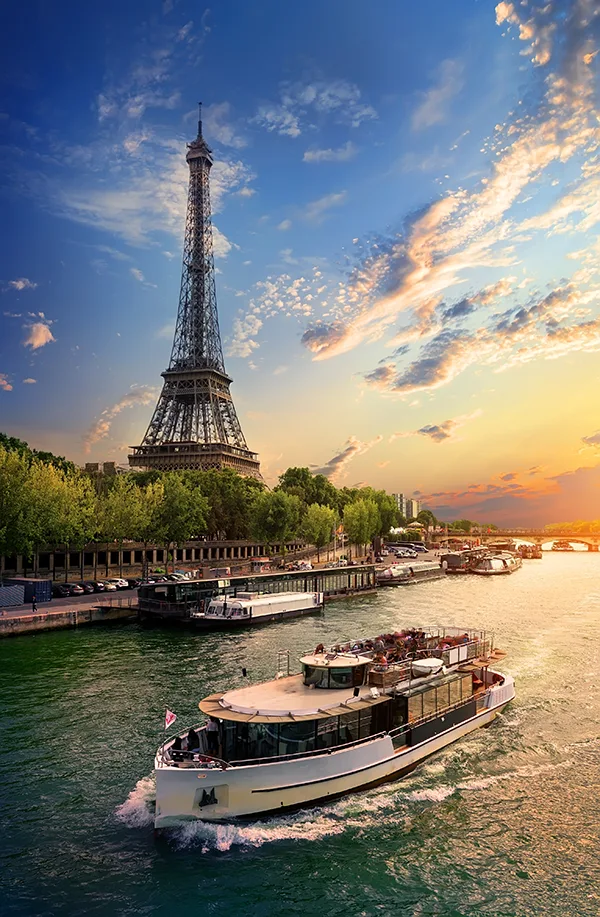
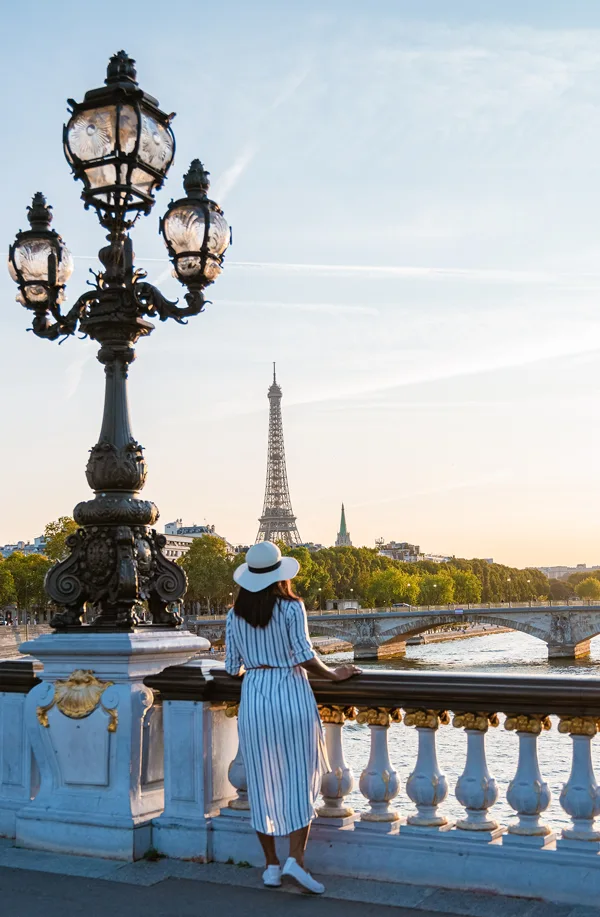
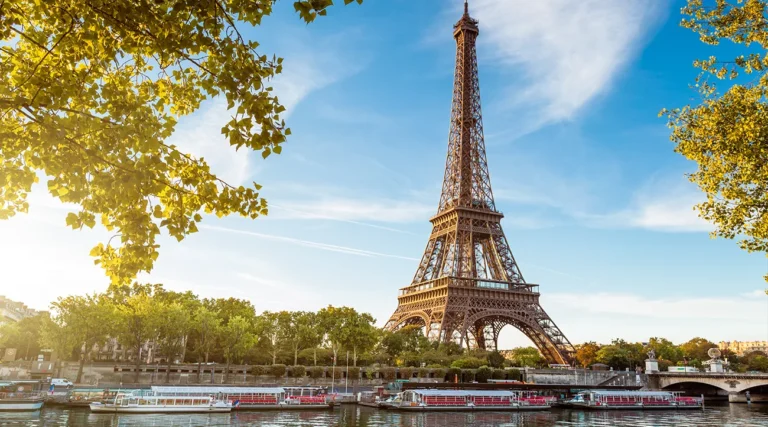
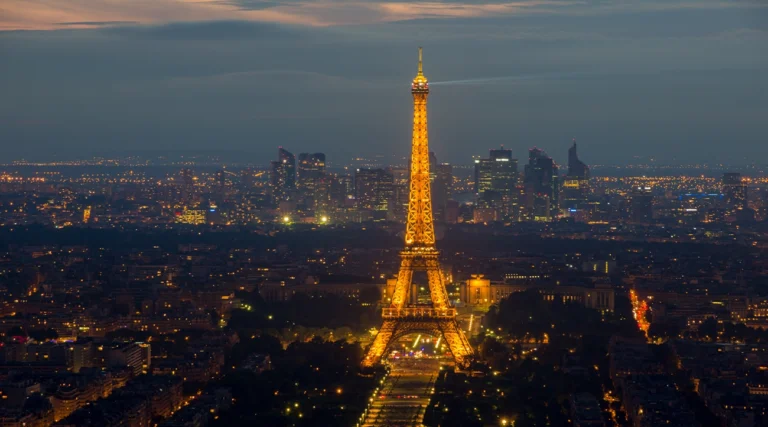
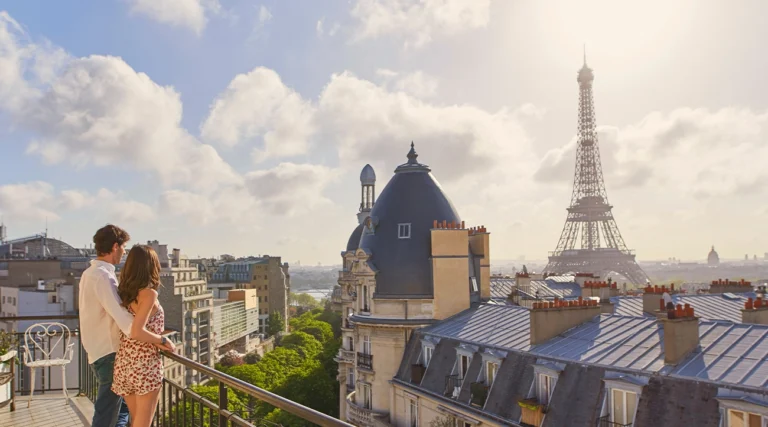
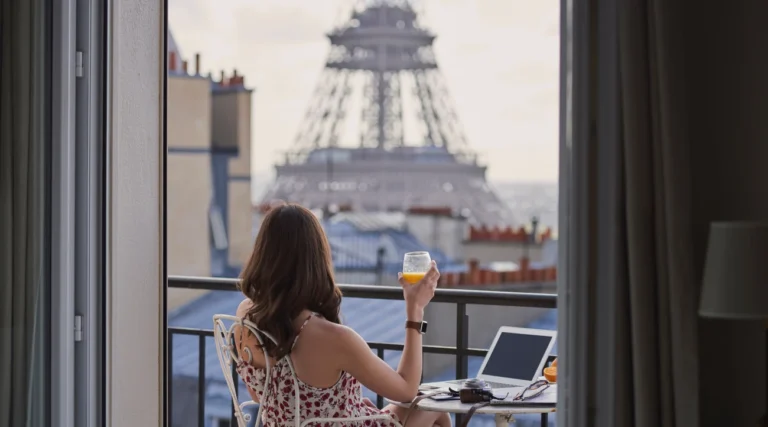
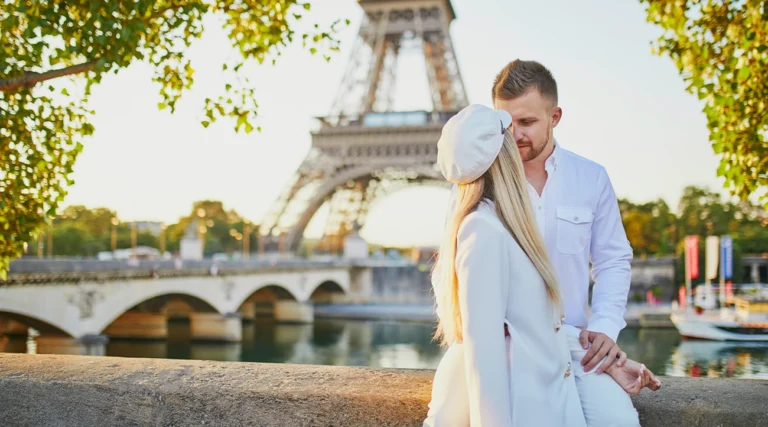
Passy is one of the most elegant and peaceful neighborhoods in Paris, renowned for its tree-lined streets, stately buildings, and splendid views of the Eiffel Tower. Far from the hustle and bustle of tourism, it retains a refined residential atmosphere, with historic villas, manicured gardens, and panoramic views of the Seine.
- Ancient spa of the eighteenth-century French nobility.
- Privileged viewpoint on the opposite bank of the Seine.
- Epicenter of Art Nouveau architecture of the early twentieth century.
- A haven of choice for historical writers and scientists.
☰ Table of Contents
What to know before visiting the Passy neighborhood
The neighborhood's topography is characterized by slopes and stairways connecting the riverbanks to the top of the hill. The streets are clean and quiet, enlivened in the morning by markets and in the afternoon by elegant strolls among the furniture and fashion shops.
The strong points
- Absolute tranquility away from the masses.
- Unusual and grandiose panoramic views.
- Liberty heritage of immense value.
- Luxury grocery stores.
To keep in mind
- Very few places open after dinner.
- Significantly high prices in bistros.
- Many hilly roads are steep.
- Atmosphere sometimes too detached and austere.
What to see in the Passy district
The historic center develops along the old main street, branching out into hidden pedestrian passages and tree-lined viewpoints.
Maison de Balzac Historical detail
The modest house with garden where the writer Honoré de Balzac composed his masterpieces under an assumed name.
Rue de Passy
The district's commercial artery, renowned for its historic perfumeries, leather goods shops, and French designer boutiques.
Bir-Hakeim Bridge
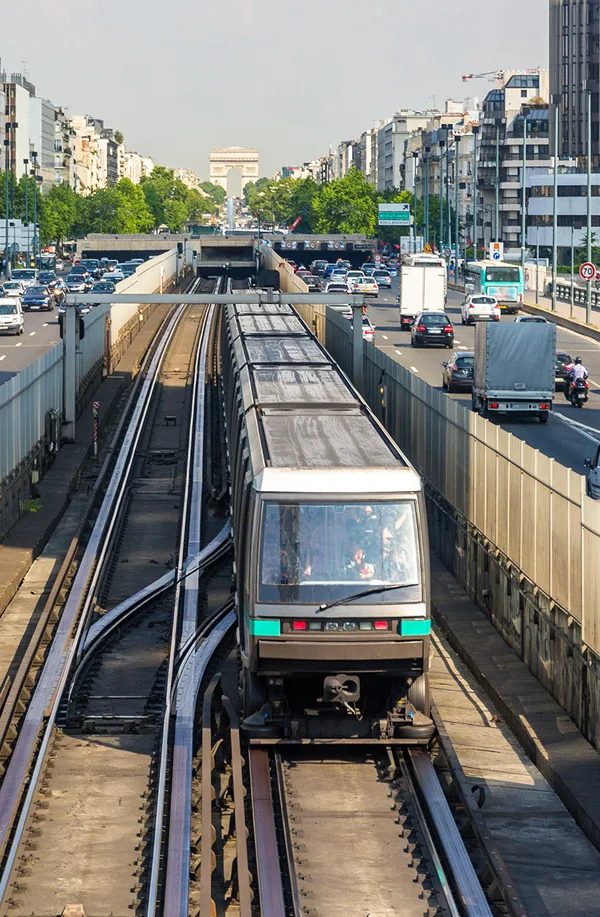
The monumental two-level metal viaduct, famous for its open-air metroand cinematic geometry.
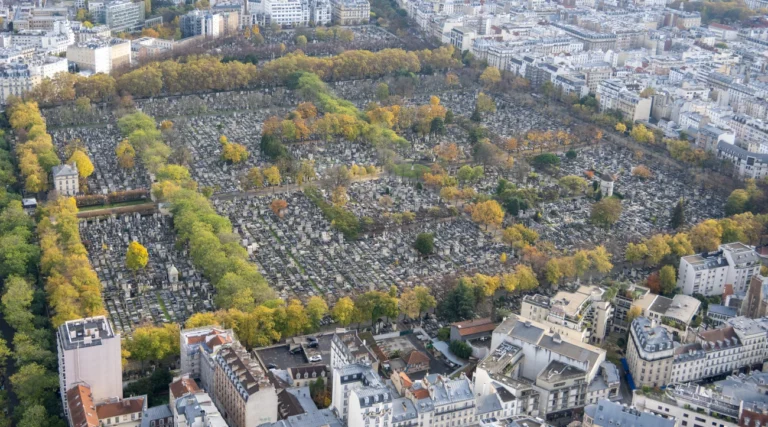
Passy Cemetery
A small monumental necropolis housing the tombs of Edouard Manet, Claude Debussy and icons of the royal dynasty.
Rue Berton
An incredibly preserved medieval alley, squeezed between old stone walls that evoke the countryside of centuries ago.
Marché Couvert de Passy
The refined covered local market, a temple of excellent gastronomy with stalls selling oysters and foie gras.
Wine Museum (Musée du Vin)
Ancient 14th-century cellars carved into the rock by monks, today transformed into a journey through the history of winemaking.
Palais de Chaillot
The imposing monumental complex from the 1930s located on the edge of the neighborhood, directly overlooking the Trocadéro fountains.
Visit to the Passy district
Exploring this quadrant means getting lost among historic passages and panoramic climbs, discovering private green spaces hidden behind imposing wrought-iron gates.
Best moment
Morning, to experience the fervor of the food markets.
Crowding
Very low, limited to local residents.
Suitable for children
Yes, for playgrounds near riverbanks.
What not to miss
The timeless silence that reigns in Rue Berton.
Type of experience
Cultural, literary, refined and architectural.
What to expect
Stately buildings, historic stairways, and flower-filled courtyards.
Experiences to do in the Passy neighborhood
Stroll through the hanging gardens of Balzac's house, gazing at the silhouette of the Eiffel Tower through the foliage, before indulging in a fine pastry on the shopping street.
Need to know
- The underground waters of the hill were declared medicinal and curative in the 1700s.
- Benjamin Franklin lived in the neighborhood for nearly ten years, inventing the lightning rod here.
- The area was annexed to the city in 1860 together with other neighboring municipalities.
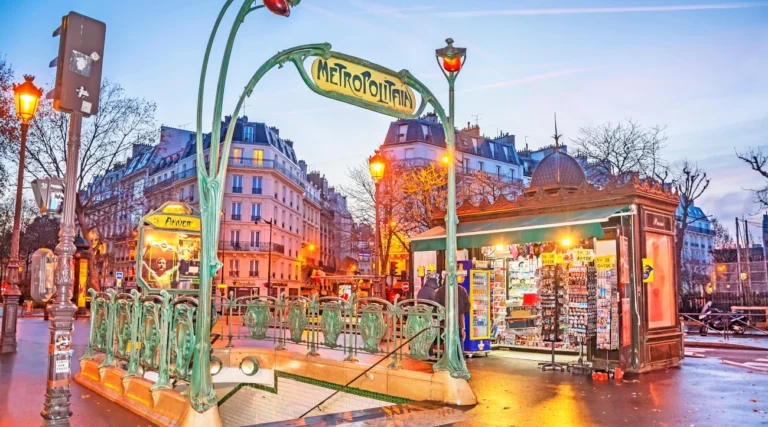
- The architect Hector Guimard designed his first and most important Art Nouveau buildings here.
Practical advice
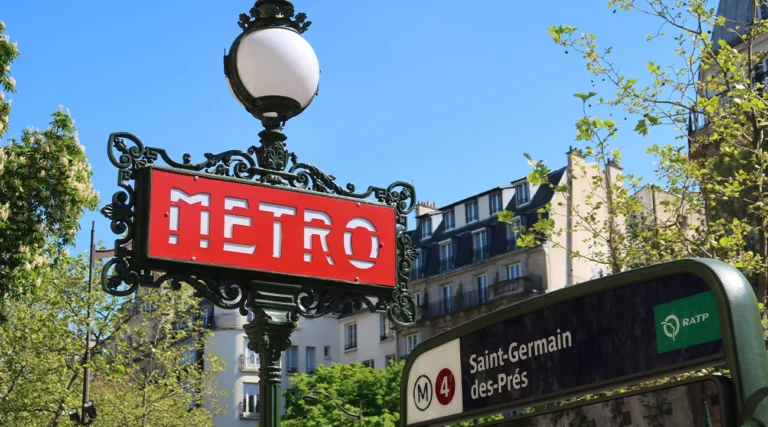
- Access the neighborhood by getting off at the Passy metro stop to enjoy the walkway over the river.
- Visit Balzac's garden during the warmer hours to rest in the shade of the wisteria.
- Look for the historical plaques marking the old entrances to the thermal springs.
- Make a photo stop in the center of the Bir-Hakeim Bridge as the train passes.
How to get to the Passy neighborhood
Nestled on the western right bank, the district is connected to the rest of the city by scenic metrolines.
Passy station (line 6) to reach the banks of the Seine; La Muette (line 9) for the upper part.
Lines 22, 32, 52, 70 and 72 regularly cross the network of residential avenues.
Reachable by walking west from the Trocadéro gardens along the Avenue de l'Annonciation.
Line C, Avenue du Président Kennedy stop, ideal for moving along the riverside.
Central point: 101 Rue de Passy
Official Transport Paris
- Paris Metro Map
- RER tickets and fares
- Taxis in Paris (numbers and alternatives)
History of the Passy district
The timeline of Passy recounts the transformation of a tiny village of woodcutters and winemakers into one of the most coveted and expensive postal codes in France. During the Middle Ages, the hill was covered with dense forests and terraced vineyards, whose wine was destined for the dining halls of the local monasteries. Its geographical isolation and proximity to the river guaranteed the village absolute peace, interrupted only by the passage of commercial barges.
Read moreShow less
Read moreShow less
A major social transformation occurred in the eighteenth century, thanks to the discovery of rich sulfurous mineral springs underground. Within a few years, Passy transformed into a renowned and fashionable spa resort. Members of the Parisian aristocracy, bankers, and Enlightenment intellectuals purchased vast tracts of land to build sumptuous summer residences surrounded by immense parks, where they could escape the unhealthy air of the capital's city center.
The final incorporation into the municipal boundaries of Paris in 1860 did not destroy the exclusive soul of the place. In place of the old noble parks, monumental freestone palaces from the Haussmannian era arose, designed to house the new industrial and financial bourgeoisie. This social stratification cemented a strong sense of cultural preservation over the decades, protecting literary monuments and historic alleyways from postwar real estate speculation.
Curiosities about the Passy neighborhood
The stone vaults and living rooms of this residential hill hold stories of debt escapes, scientific patents and legends of world opera.
- Balzac's escape: the writer used the back entrance on Rue Berton to escape from creditors knocking at the front door.
- The monks' cellar: the cellars of the wine museum were connected to a network of tunnels used to hide food supplies during revolts.
- Franklin's lightning rod: the first protective installation in Europe was mounted right on the roof of the American scientist's residence in Passy.
- Maria Callas: the legendary opera diva lived the last years of her life in an apartment located on the edge of the neighborhood.
- The metrosuspended: the Bir-Hakeim bridge rests on old submerged pylons that were reinforced to support the weight of the iron carriages.
- The vanished castle: the current urban fabric covers the foundations of an immense eighteenth-century castle that hosted sumptuous royal parties.
What to book in the Passy district
Where to sleep in the Passy neighborhood
Staying in the Passy district can mean sleeping with a view of the Eiffel Tower: discover the best hotels with a view.
Where to eat in the Passy neighborhood
The Franklins
An elegant corner bistro with retro decor, popular with locals for the quality of its traditional soups and meat dishes.
1 Rue Benjamin FranklinCareette
A historic and refined pastry shop located just a few steps away, famous worldwide for its artisanal macarons and thick hot chocolate served in silver mugs.
4 Place du TrocadéroThe Causerie
A small, welcoming restaurant offering modern, seasonal French cuisine, renowned for its excellent selection of organic wines from the surrounding provinces.
31 Rue de l'AnnonciationFrequently Asked Questions
Is the garden of the Maison de Balzac free to access?
Yes, entry to the splendid flower garden overlooking the Eiffel Tower is free, while visiting the museum's interior rooms requires a ticket.
Is the Passy neighborhood a good place to find nightlife?
No, the district is mainly residential and the streets empty out in the evening; for nightlife, you need to move to the nearby central neighborhoods, such as Pigalle.
Can I buy fresh food at the covered market?
Of course, the stalls of the Passy market offer French and international gastronomic excellence of the highest quality every day except Monday.
What's the best way to go clothing shopping in the area?
Rue de Passy is home to the best of Parisian fashion, home to major brands and historic independent luxury boutiques.
Can the ancient underground wine cellars be visited year-round?
Yes, the Wine Museum welcomes visitors into its evocative historic tunnels, also offering guided tasting sessions.
Is the Bir-Hakeim Bridge located near the train stations?
The monumental viaduct is located directly under the Passy metro station and is connected to the RER network that runs along the banks of the Seine.
Are there good views of the Eiffel Tower from the neighborhood hills?
Yes, the upper terraces and gardens of historic houses offer some of the cleanest and most spectacular perspectives on Paris's iconic monument.
Is the Passy monumental cemetery open on public holidays?
Yes, access to the historic necropolis is permitted every day of the week, respecting the seasonal municipal opening hours.