

In short
The tracks often intersect at the same underground stations, but the purposes, speeds, and especially the fare zones of these means of transport vary significantly. This practical guide analyzes each individual transport system, explaining when to use it and how to optimize ticket usage for a stress-free journey around the capital.
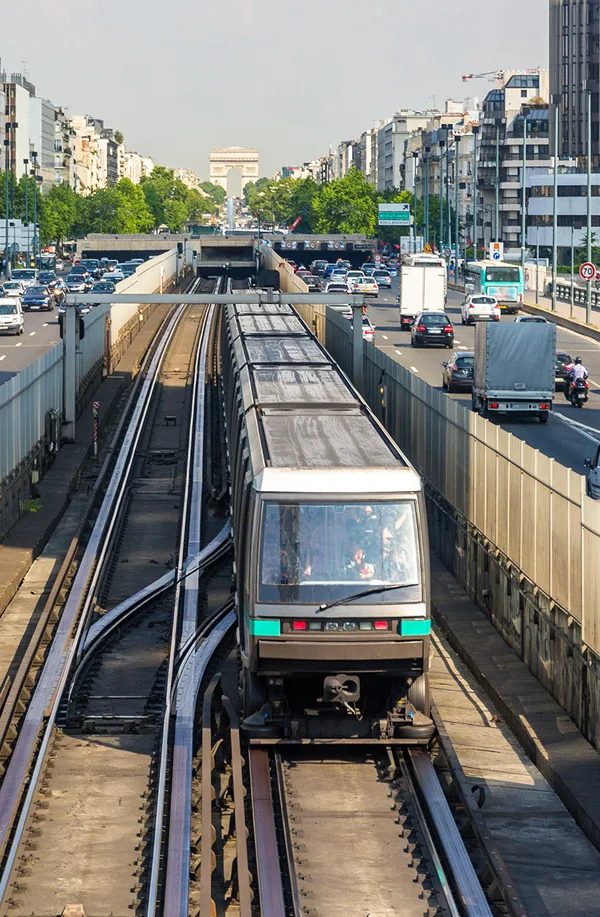
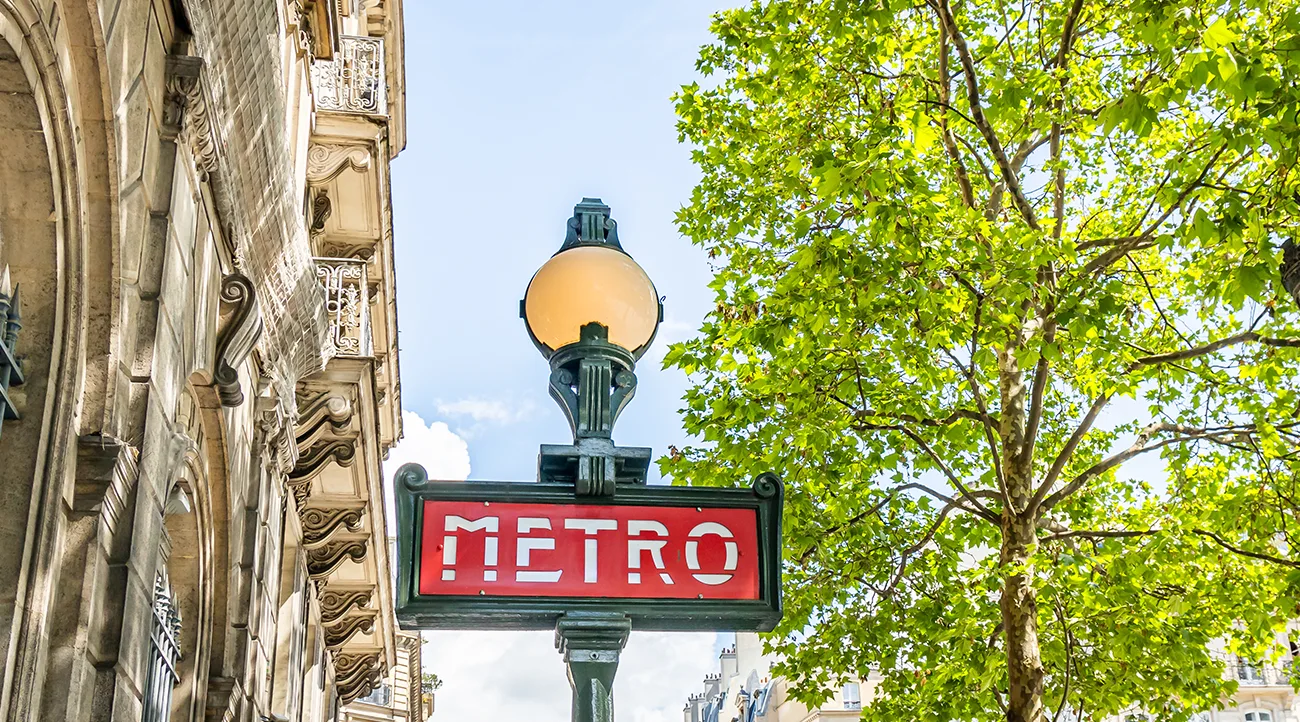
- The Métro: it is the city's underground network
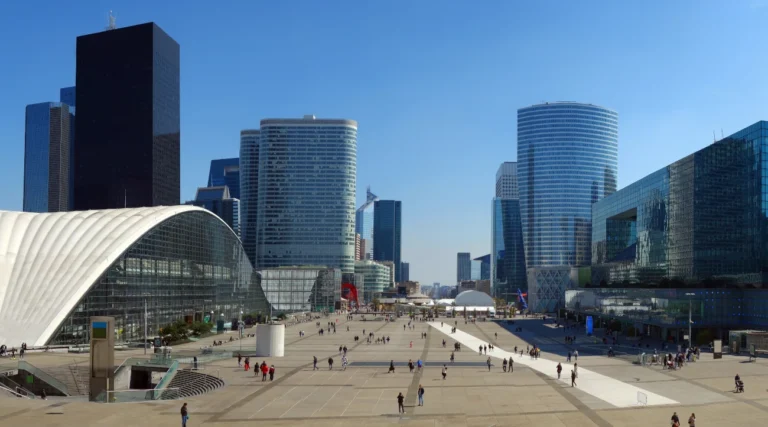
- The RER: is a network of fast trains
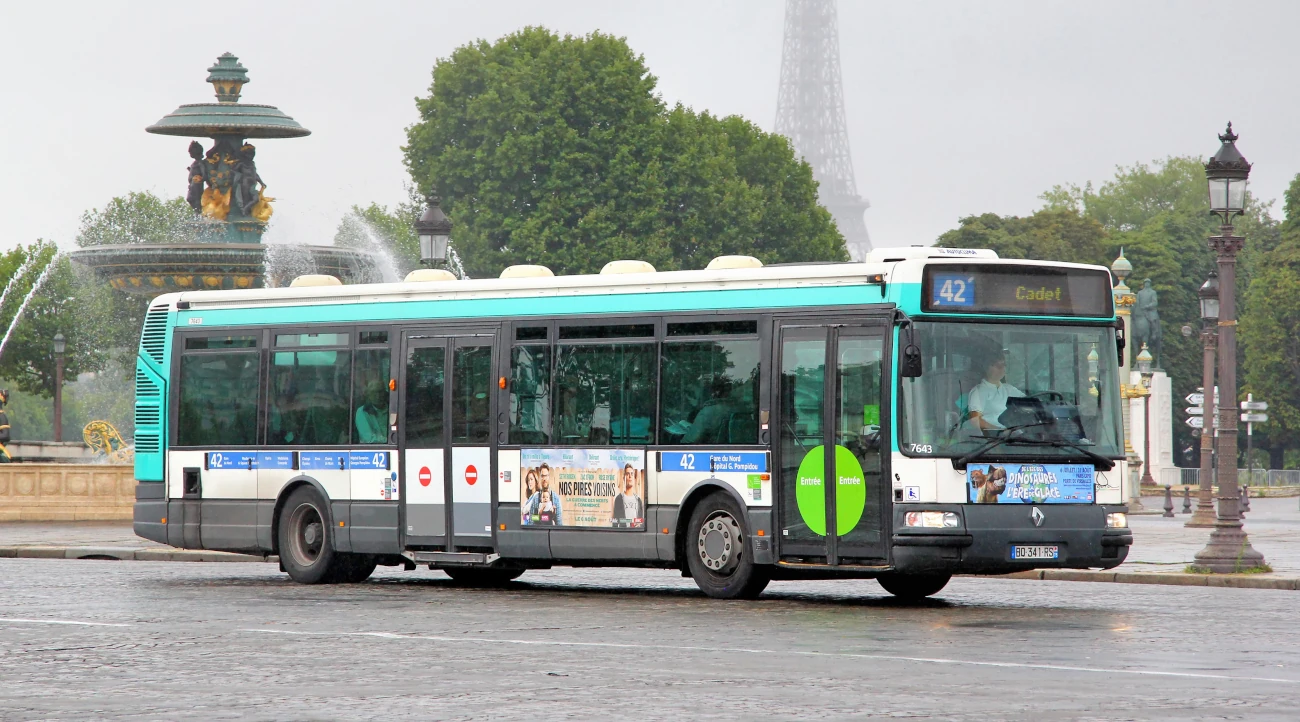
- Buses : offer scenic routes on the surface
- Fare zones : the centre of Paris is divided into Zones 1-2
☰ Table of Contents
The Parisian transport division
Each means of transport meets a specific logistical need. Here's how to distinguish them and when to choose them.
Paris Metro: the underground network
The metroParis
guide metro →
RER (Réseau Express Régional): suburban speed
The RER is a high-capacity train network designated by letters (A through E). Within Paris, it serves as a metro; outside, it connects to places like Disneyland and the airports.
How the RER works →
Buses: the charm of the surface
Many lines cross the Seine bridges and pass by major monuments. Although they are affected by city traffic during rush hour, buses have dedicated bus lanes.

See the Paris Bus Guide →
Note
You absolutely cannot use the same Ticket t+ to transfer from the Métro to a bus, or from a tram to an RER. If you exit the underground turnstiles to take a bus above ground, you will have to stamp a new ticket.
Compare public transport
Here's a horizontal summary table to help you understand at a glance the operational, pricing, and logistical differences between the three systems.
| Means of Transport | Main Coverage | Ticket t+ Validity | Main Advantage |
|---|---|---|---|
| Meter | Central Paris (Zones 1-2). It reaches all urban stations. | Always valid on all lines and for all internal changes. | Very high train frequency and close stations. |
| RER | From central Paris to the extended suburbs (Zones 1-5: airports, Versailles, Disney). | Valid only for journeys within Zone 1 (central Paris). | High speed and direct extra-urban connections. |
| Bus | Entire metroarea and capillary surface routes. | Valid for a single journey (or changes between buses/trams only). | Scenic itineraries and ease of visual orientation. |
Where you can go by public transport
Through these cards, you will be able to see the cost of the trip, the attractions that can be reached and the neighborhoods covered by each individual transport.
Paris Metro
Ideal for: quick, widespread and frequent trips within the city centre.
- Lines and Stops: 16 underground lines with over 300 closely spaced stations
- Fare: €2.15 (single t+ Ticket) or reduced fares via digital carnets
- What you reach: Louvre, Eiffel Tower, Arc de Triomphe, Montmartre and the entire historic center
- Neighborhoods covered: all 20 arrondissements, from the Marais to Saint-Germain
RER (Regional Trains)
Ideal for: fast long-distance connections and travel outside urban limits.
- Lines and Stops: 5 lines (A, B, C, D, E) with main interchange stations
- Fare: €2.15 in the city centre (Zone 1); variable fares per journey for the outskirts
- What you get to: Disneyland Paris (RER A), Palace of Versailles (RER C), CDG Airport (RER B)
- Covered neighborhoods: cuts across the central urban area and extends into the entire banlieue
Scheduled Bus
Ideal for: scenic overland routes, relaxed transfers and night-time mobility.
- Lines and Stops: dozens of daytime lines and a Noctilien night-time network with stops on request
- Price per journey: €2.15 (Ticket t+ validated on board) or via the official app
- What you'll see: Close-up views of the Seine bridges, grand boulevards, and historic squares
- Covered neighborhoods: full coverage of the center, hilly areas, and surrounding municipalities
Learn more about getting around Paris
5 tips for error-free travel
Follow these tips and you'll have no problems traveling around the city on Parisian public transport.
Keep the paper ticket until you exit the station
RATP checks are also frequent in the RER exit corridors.
Check the final direction on the platform signs
metro lines are indicated by the name of the terminus in the opposite direction.
Check the RER monitors before boarding the train
The RER lines branch out; check that your station is highlighted on the display.
Press the red button to request a bus stop
Buses do not stop automatically if no one books a ride on board.
Move bulky luggage from the fold-down seats
During rush hour on the metro , it is mandatory to get up to free up the central space.
Need to know
- The Métro closes at 1:30 or 2:30.
- A special ticket is required for the extra-urban RER.
- metroLine 1 is automated.
- The Noctilien night buses cover the closure.
To keep in mind
- The Navigo Easy pass replaces the paper one.
- Urban tickets on the extra-urban RER cause fines.
- Exchanges between RER stations are long.
- Children under 4 travel for free.
Must-see activities and experiences in Paris
Frequently Asked Questions
Can I use the RER to get around central Paris quickly?
Absolutely. If you need to travel between major hubs like Gare du Nord, Châtelet-Les Halles, or Gare de Lyon, the RER is much faster than the metro because it has fewer stops. All you need is a standard Ticket t+.
What happens if I take the RER to Versailles with a regular urban ticket?
The exit turnstiles at Versailles station won't open, and you risk an immediate fine from ticket inspectors. For stations outside Paris, you must purchase a specific fare for each journey. If you've booked a guided tour of Versailles, arrive at least 15 minutes early.
How do transfers between one metroline and another work?
As long as you don't exit through the turnstiles that mark the outside of the station, you can change on as many metrolines as you want using the exact same ticket you used to enter.
Are there affordable passes for those who intend to use public transport a lot?
Yes, you can opt for the 10-journey digital booklets on the Navigo Easy pass, or choose the daily Navigo Journalier or weekly Navigo Semaine passes (valid from Monday to Sunday) if you plan on making numerous journeys.