

In short
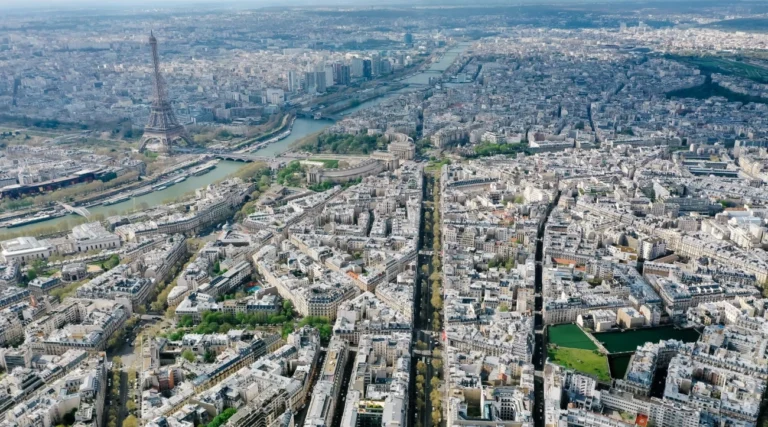
The main distinction is between the historic center, encompassed by the twenty arrondissements, and the municipalities of the outermost ring, the so-called banlieues. Identifying the capital's most sensitive areas allows you to plan your evening return to your hotel without running into logistical difficulties. This guide maps the most critical points and offers coordinates for orienting yourself day and night.
- The north-eastern suburbs
- The major exchange nodes
- The nightlife districts
- Choosing the hotel
☰ Table of Contents
The map of Paris' critical issues
To understand the geography of Parisian security, we can divide the points of attention into four urban macro-categories.
Train stations at night
Gare du Nord and Gare de l'Est, in the 10th arrondissement, are crucial hubs during the day but become bivouac zones at night.
The historic red light districts
In the late hours of the night, the side streets fill with annoying people, dubious establishments and pushy vendors.
The interchange nodes of the metro
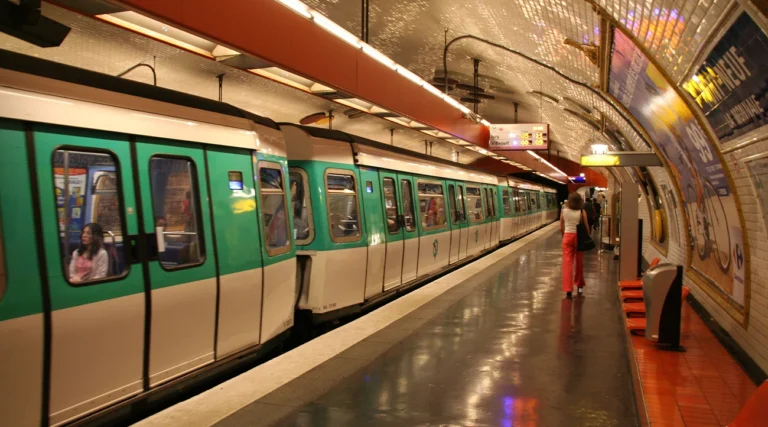
The Châtelet-Les Halles underground station is the beating heart of transport, but its endless subterranean corridors are a favorite haunt of professional pickpockets.
The municipalities of the northern belt (Banlieue)
Some areas beyond the ring road (Périphérique), such as Saint-Denis, Aubervilliers or Bobigny, present strong social tensions.
Our advice
When booking accommodation, choose the central neighborhoods between the 1st and 9th arrondissements, or the quiet residential areas of the 14th and 15th.
The areas of Paris and their problems
A quick overview of how risks are divided and localized among the neighborhoods of the City of Light.
| District / Area | Main Issues Identified | Practical Advice on Behavior |
|---|---|---|
| 10th Arrondissement (Gare du Nord) | Heavy presence of professional pickpockets inside the train terminals and night bivouacs in the adjacent streets. | Please store your luggage carefully and do not stop in the outdoor areas after sunset. |
| 18th Arrondissement (Barbès / Goutte d'Or) | Very chaotic illegal street markets, concentrated drug dealing and frequent episodes of petty crime. | Avoid walking alone on side streets during night hours. |
| 19th Arrondissement (Porte de la Villette) | Areas affected by severe urban decay linked to drug addiction and isolated, poorly lit squares. | Do not choose hotels near road junctions in this area. |
| Pigalle Surroundings (Secondary Streets) | Nightclubs with deceptive drink prices, constant noise from disruptive people and annoying vendors. | Stay on the main, well-lit avenues and don't enter clubs without prices displayed. |
Take a tour of these areas instead
Don't lose heart and turn your exploration to these other areas of the city. We offer the best tours through these neighborhoods:
Walking Tour in the Marais
Ideal for: discovering a historic, lively and totally safe neighborhood both day and night.
- Guided tour of historic noble palaces, trendy boutiques, and contemporary art galleries
- Relaxing stroll in a pedestrian area with a welcoming and always busy atmosphere
- Unique tips on the best addresses for independent shopping and artisanal pastry making
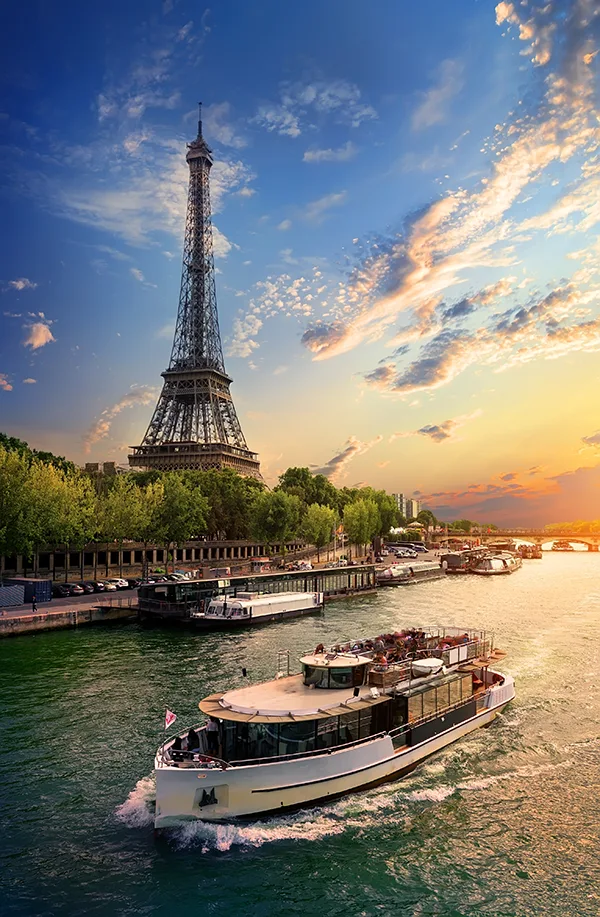
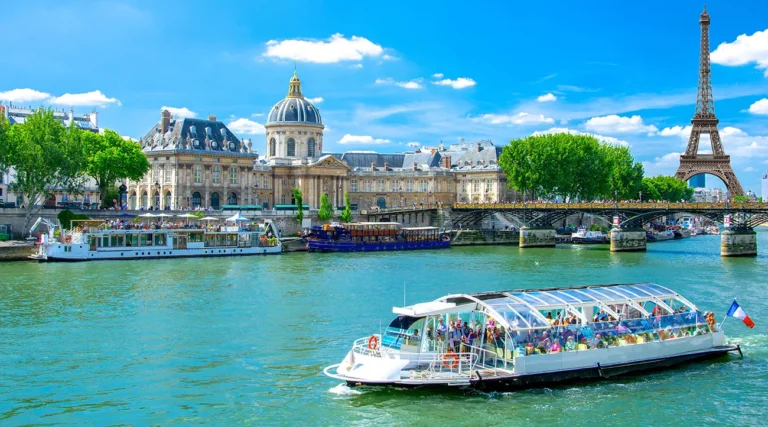
Evening Cruise on the Seine
Ideal for: admiring the city lights from a romantic, protected and controlled perspective.
- Panoramic navigation in the heart of the historic center with a view of the illuminated monuments
- Detailed audio guide to discover the secrets of the Parisian bridges in complete tranquility and comfort
- boarding and disembarking at central docks, manned and well connected to the main transport links
A walk in the Latin Quarter
Ideal for: experiencing the lively university atmosphere along central, patrolled streets.
- cultural itinerary between the historic Sorbonne University and the wonderful Luxembourg Gardens
- explore lively squares filled with historic bookstores, outdoor cafes, and arthouse cinemas
- constant presence of residents and students which makes the area safe at any time of the day
Walking Tour of Saint-Germain-des-Prés
Ideal for: immersing yourself in the most refined Parisian elegance while excluding any context of degradation.
- Exclusive itinerary in the literary heart of the city, among historic cafes and historic boutiques
- discovery of the most photogenic corners and hidden passages frequented by intellectuals
- high-level residential environment for walking in complete serenity even late at night
5 practical visiting tips
If you follow these tips, you will never find yourself in an unpleasant situation during your stay.
Avoid outlying areas late at night
Plan your evening return routes carefully.
Don't show your smartphone or cash on metro
Keep a low profile on crowded trains.
Choose hotels located in very central locations
Savings on the outskirts don't make up for the logistical stress. Here are the best ones >.
Avoid secondary exits at large stations
Use only the main entrances that are lit and busy.
Don't walk alone in isolated canals
Prefer the main boulevards for evening strolls.
Need to know
- The main monuments are guarded by armed patrols.
- The metrounder video surveillance at every single station.
- The central neighborhoods stay alive until late.
- The southern suburbs are much quieter than the northern ones.
To keep in mind
- Common sense eliminates almost all urban risks.
- Transportation apps always show the safest routes.
- Asking metro staff for help is always helpful.
- Keeping important documents at the hotel avoids unpleasant surprises.
Activities and experiences to truly experience the city
Frequently Asked Questions
Is the Montmartre neighborhood safe to sleep in?
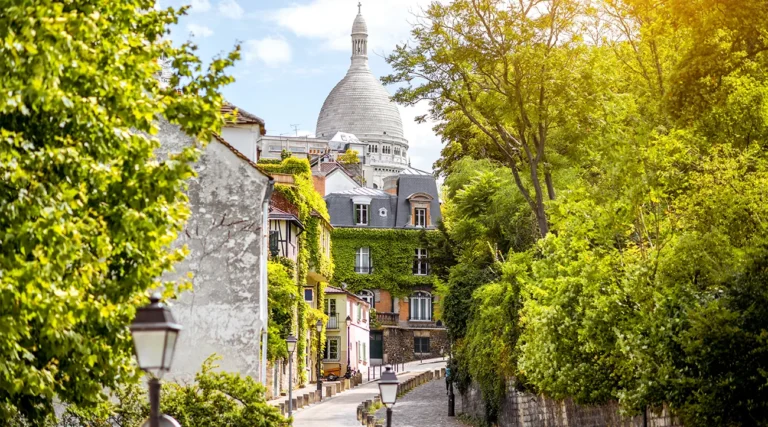
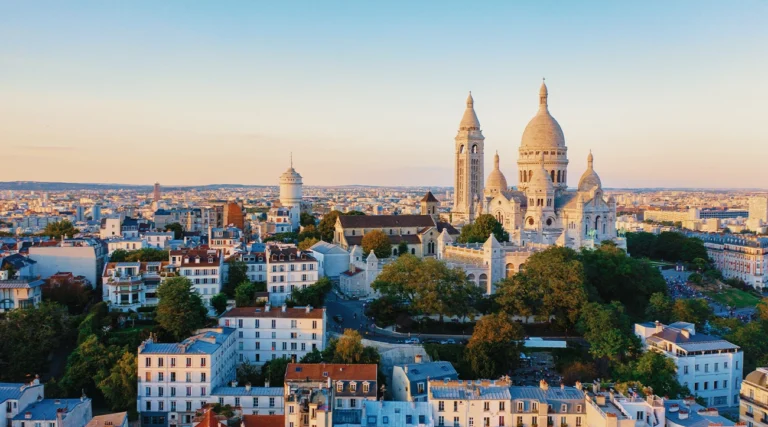
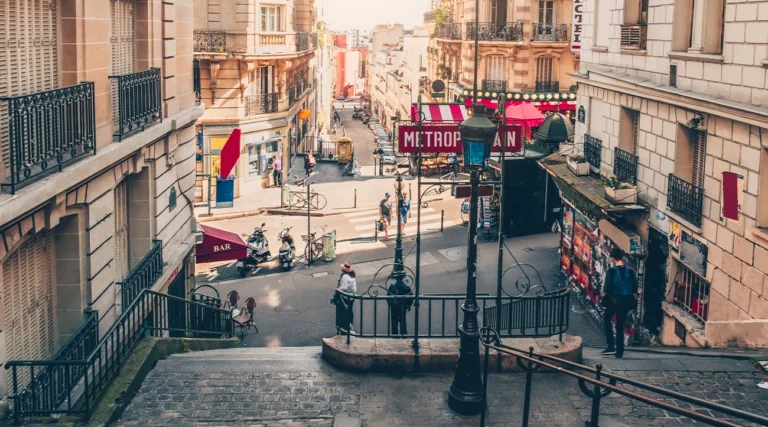
Yes, the historic upper part of Montmartre is beautiful and safe, and offers excellent accommodations . Just be careful when heading south toward the Pigalle or Anvers metro stations metroduring later hours.
Is the Paris metrodangerous at night?
No, it's not dangerous, but train frequency decreases and stations empty. It's important to remain alert in the carriages and ignore any provocations from disruptive passengers.
What to do if your documents are lost or stolen?
Go immediately to the nearest police station (Commissariat de Police) to file a complaint, then contact the consular channels to initiate the repatriation process.
How do you recognize the boundaries of the Parisian banlieue?
The physical boundary is defined by the Boulevard Périphérique, the major ring road that encircles the twenty central arrondissements. Everything outside of it is part of the peripheral municipalities.