

















































Trams in Paris: A Guide to the Peripheral Lines

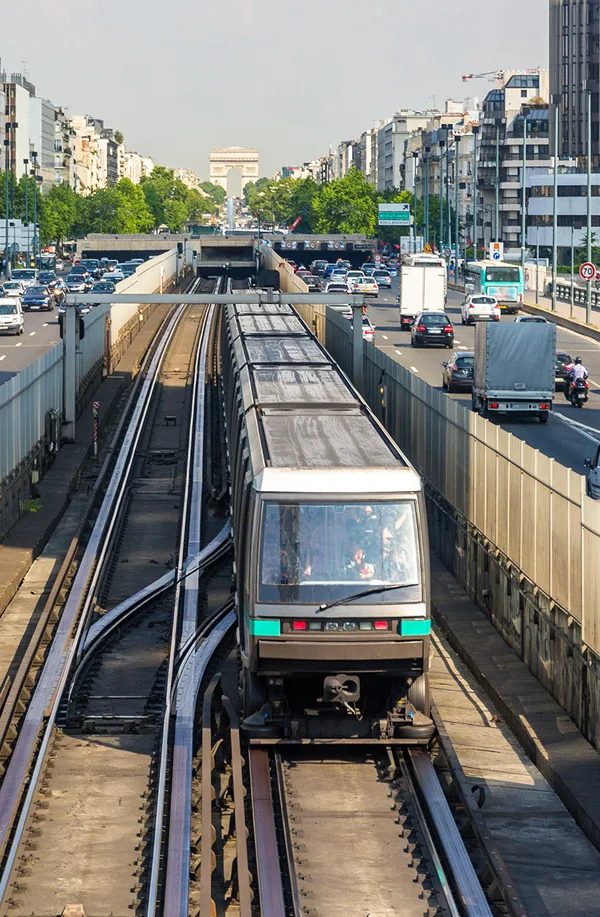
The Paris tram network is a modern, environmentally friendly and constantly expanding system that encircles the capital along its outer borders, connecting the peripheral districts and neighbouring municipalities.

In short

Table of Contents

Things to Know About the Paris Trams

The Parisian tram follows very similar rules to the bus when it comes to validating tickets, but it stands out for its punctuality and dedicated preferential lanes.

Paris Tram Map

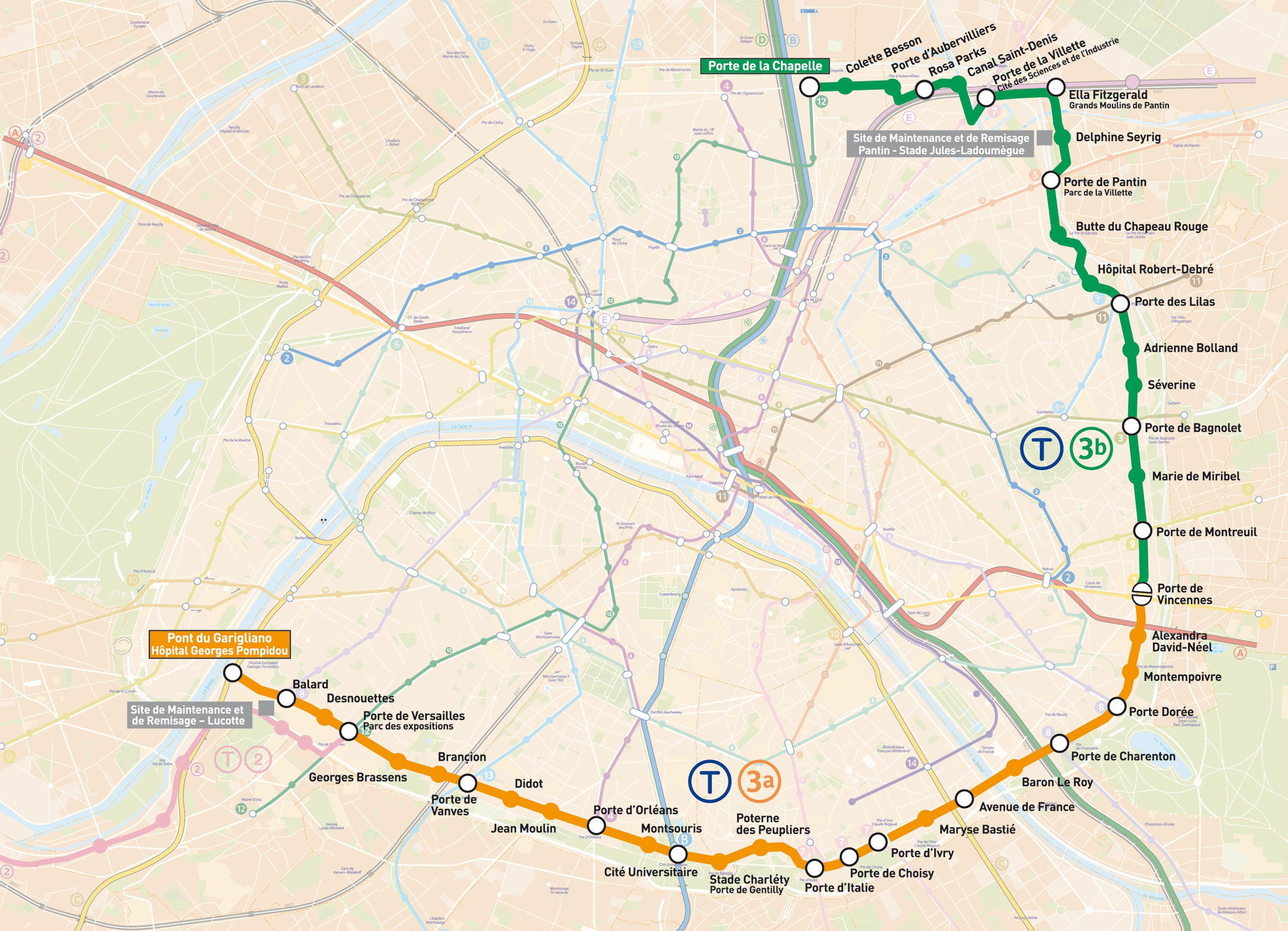
The trams never enter the historic heart of Paris, but draw an almost perfect circular line around the city limits (the so-called Petite Couronne).

Quick tip

If you need to transfer between metroand the tram, remember that you will need to use a second paper t+ ticket, since the underground-surface transfer is not integrated into the same ticket.

Download the official map

Official RATP map of the Paris Metro, RER and Tram network.

High-resolution PDF format

Ideal for printing or offline viewing

Always updated

Official RATP Edition

Complete with legend

All Metro, RER and Tram lines

Official source: RATP Paris • All rights reserved

How to use the map

Find your departure station

Follow the color of the line

Count the stops for your route

Plan your trips

The most useful lines for tourists

Most lines serve the commuter flow of Île-de-France, but some routes are strategic for reaching exhibition centers, parks or transport hubs.

Which ticket should I choose?

The tram network accepts all major travel tickets in the Paris region, provided you respect the fare zones covered by the chosen route.

Quick tip

If you use a single paper ticket for Versailles or Disneyland, buy a double one (round trip) immediately to avoid miles of queues at the ticket office in the evening.

The most popular tourist passes in Paris

Choosing the ideal tram pass depends exclusively on the length of your stay and the fare zones you plan to travel through during the day.

Powered by GetYourGuide

Need to know

  • Validation is mandatory on board: every paper or digital ticket must be scanned as soon as you board the vehicle.
  • Transfers to the metro require a new ticket: there is no direct transfer between the underground and surface networks.
  • Changing trams is free: you can change lines within ninety minutes with the same ticket.
  • The doors open by pressing a button: the carriages do not open automatically at each stop.

Practical advice

  • Download the official app for real-time schedules: monitor schedules from your phone and avoid long waits at external stops.
  • Prepare your documents for the weekly pass: bring a passport photo from home if you decide to activate the Navigo Découverte.
  • Buy tickets before boarding: the platforms are equipped with vending machines to avoid emergency purchases on the vehicle.
  • Pay attention to the direction of the terminus: always check the final destination indicated on the front panels of the tram.

History and curiosities of the Paris Trams

The history of the tram in Paris spans two completely distinct eras. Between the late 19th and early 20th centuries, the city had a gigantic tram network, which was dismantled in 1937 to make way for cars and buses. Fifty-five years later, in 1992, the administration completely reversed course by inaugurating the T1 line, sparking a tram renaissance that continues today to combat air pollution.

Metro or Tram? Which is better?

The choice between these two modes of transport depends entirely on the area of ​​the city where you choose to stay or your planned itinerary for the day. Combining the metroand tram allows you to maximize travel time. The metroremains the unbeatable choice for traversing the city center in a straight line and exploring its historic icons, while the tram proves to be an invaluable ally for traversing the city limits, offering comfort and an open view of the contemporary city.

Frequently Asked Questions

Can I ride the tram if I purchased a bus ticket via SMS?

No, tickets purchased via SMS by sending a code to the RATP number are valid only for bus travel and not for tram travel.

If checked by RATP officials, you will be liable for an administrative fine for failure to validate the ticket.

The two lines meet at the Porte de Vincennes stop, where you simply get off on the same platform to change trains.

Yes, if your Navigo subscription covers zones 1 to 5, you can travel without any limits on all lines in the network.

No, during the night hours the surface service is entirely replaced by the Noctilien night bus network.

No, the Tram follows a semicircular route that doesn't reach the city centre but it's an excellent interchange service for those who want to sleep far from the centre without spending much.

No, children under four travel free, while those aged four to ten pay a reduced fare.

No, bicycles are not permitted inside the carriages to ensure maximum passenger safety.

You can monitor traffic conditions in real time using the official RATP app or by consulting the digital displays on the platform.

Yes, tram service remains active during the holidays, following the Sunday timetable.

Tickets for the attractions easiest to reach by Tram, Metro, RER, Bus

You might also be interested in...

The journey continues…

Paris itinerary 1 day
Paris 2-day itinerary
Interior of a Brasserie in Paris
Paris Metro during rush hour
Restaurant with a view of Notre Dame
The Seine and the Alexandre III Bridge at night

Activities and tours you can't miss

Share:
Previous
Getting around Paris by bus: useful lines, tickets, and schedules
Next
Getting Around Paris on the RER: The Ultimate Guide to Regional Trains