

Musée d'Orsay: Must-See Works and Useful Information

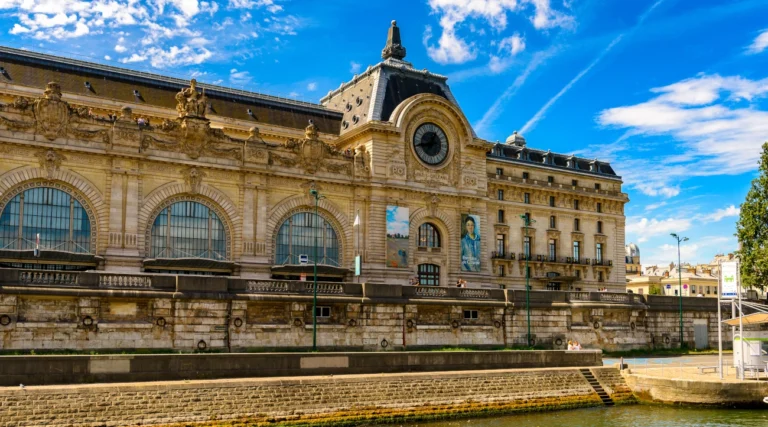
An extraordinary art gallery housed inside a monumental early 20th-century railway station, home to the largest collection of Impressionist masterpieces in the world.

In short

Table of Contents

Opening hours and prices at the Musée d'Orsay

Find out how and when to access the Royal Galleries and plan your cultural visit without any surprises.

Opening hours

  • From Tuesday to Sunday 09:30 - 18:00

    Thursday until 9.45pm, last entry 1 hour before

  • Ordinary closures

    Monday, May 1st, December 25th

Prices

  • Adults from €14
  • Reduced 11€

    Accompanying minors (max 2), large families

  • Free entry Free

    Minors under 18, disabled people with companion, EU Under 26s

What to see at the Musée d'Orsay

Observe the richness of an immense collection where each gallery holds precious treasures from every corner of the earth.

1

Van Gogh's Bedroom

Admire the famous 1889 canvas full of intense colors and double perspectives.

2

Claude Monet's Incredible Poppies

Observe one of the icons of the Impressionist movement, imbued with light and nature.

3

Edgar Degas's Dance Class

Let yourself be struck by the photographic style and the realism of the young dancers.

4

The Masters of Impressionism

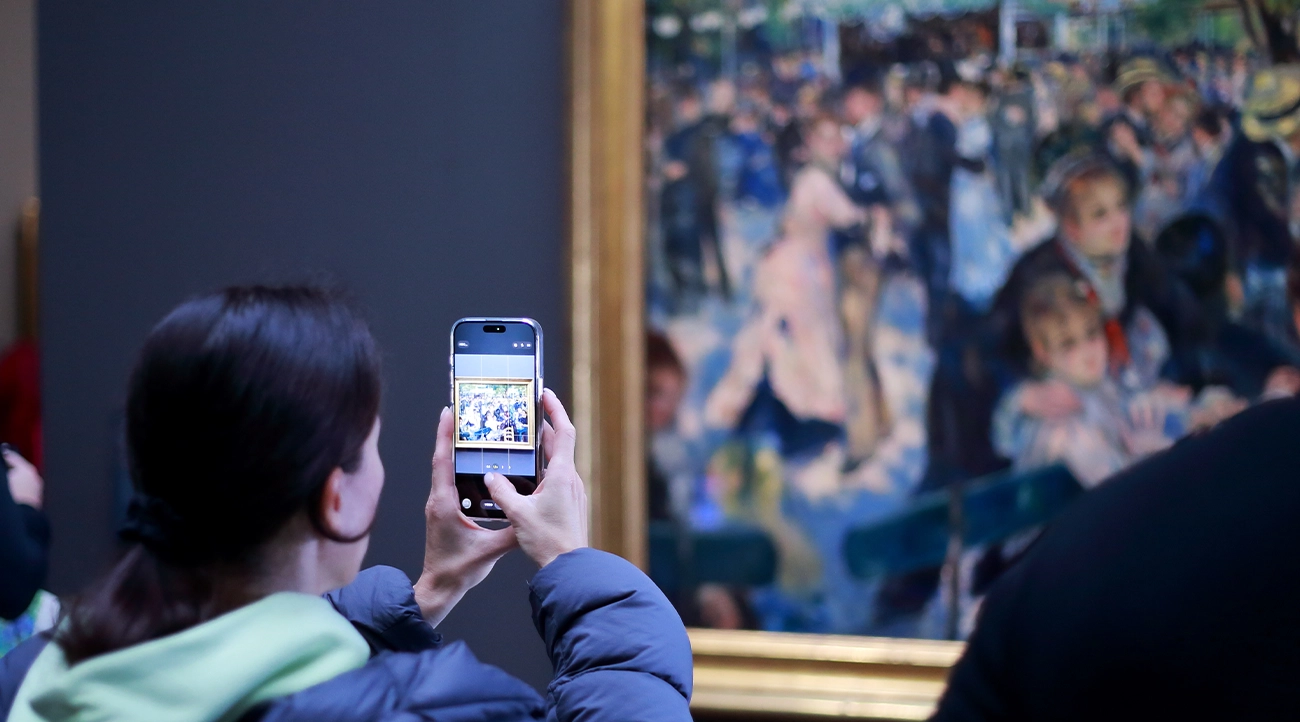
Explore the upper rooms filled with legendary paintings such as Pierre-Auguste Renoir’s The Ball at the Moulin de la Galette, Édouard Manet’s Luncheon on the Grass, and Paul Cézanne’s Bathers.

5

The Post-Impressionist Revolution

Discover the expressive power of masterpieces by unique artists including Vincent Van Gogh's Starry Night Over the Rhone, Paul Gauguin's Arearea, and Georges Seurat's monumental circus.

Visiting the Musée d'Orsay

Follow these quick tips to navigate this gigantic museum complex with ease.

How to visit the Musée d'Orsay

It's best to start on the ground floor and then go directly up to the top floor, where the Impressionist masterpieces are concentrated; which is also the route of the guided tours.

Need to know

  • The structure was born as a railway station for the Universal Exhibition.
  • In 1970 the building was at risk of demolition for a hotel.
  • The museum houses the largest Impressionist collection in the world.
  • The interior design was designed by Italian designer Gae Aulenti.

Practical advice

  • Always book your ticket online to skip the long lines.
  • Go up to the fifth floor immediately to avoid the crowds.
  • Use the central escalators to move quickly.
  • Visit the museum on a Thursday evening for greater peace of mind.

How to get to the Musée d'Orsay

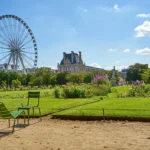
The museum is located on the left bank, facing the Tuileries Garden.

Metro

Line 12 stops at the convenient Solférino station.

Rer

Line C serves the Musée d'Orsay underground stop.

Bus

Lines 68, 69, 73 and 84 stop in front.

Standing

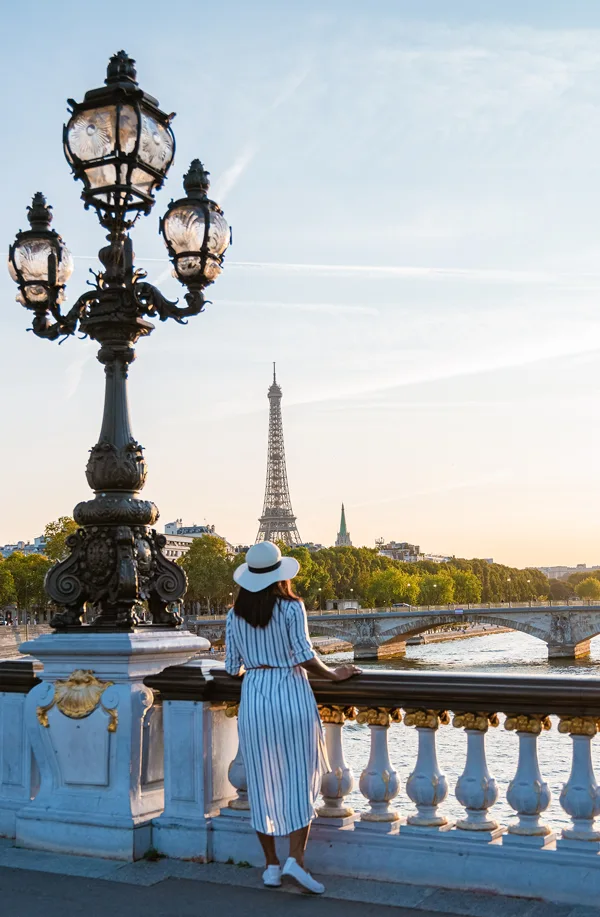
Cross the Seine by walking along the scenic Passerelle Léopold-Sédar-Senghor.

Esplanade Valéry Giscard d'Estaing, 75007

History of the Musée d'Orsay

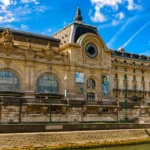
In 1900, on the occasion of the great Universal Exhibition in Paris, architect Victor Laloux completed construction of the luxurious Orsay train station. The building featured a monumental stone façade designed to blend in with the elegance of the neighboring stately buildings, concealing a state-of-the-art iron interior. For decades, the station welcomed trains from southwest France.

As the years passed, trains became increasingly longer and electrified, making the station platforms obsolete and too short. From 1939, the station was partially abandoned, used only for suburban traffic, as a temporary post office, and even as a film set for major international directors. The structure's fate seemed sealed, destined for total demolition.

The turning point came in 1977, when President Valéry Giscard d'Estaing decided to save the historic industrial monument and transform it into a major state museum. The goal was to create an ideal bridge between the classical art collections of the Louvre and the contemporary art collections of the Centre Pompidou. The interior design was entrusted to Italian architect Gae Aulenti, who created a unique limestone exhibition route.

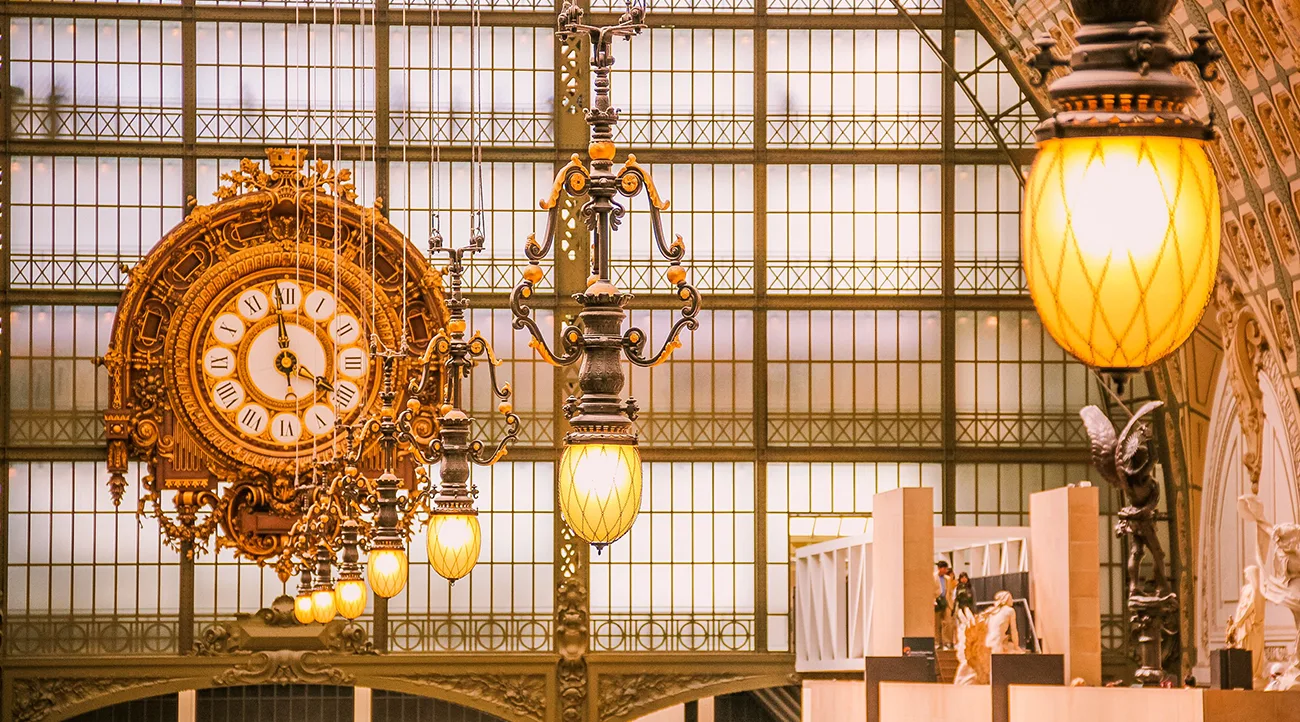
The Musée d'Orsay was officially inaugurated in 1986, receiving immediate critical and public acclaim. The large windows of the former railway vault proved perfect for illuminating the Impressionist paintings with natural light, which were designed to be admired in the sunlight. Today, the museum is an unsurpassed model of architectural restoration.

Curiosities about the Musée d'Orsay

Musée d'Orsay tickets and tours

Find accommodation near the Musée d'Orsay

Frequently Asked Questions

Can I bring a backpack or is there a cloakroom?

backpacks are permitted. Suitcases and trolleys larger than fifty-five centimeters are not permitted, and there is no storage.

Yes, photography for personal use is free throughout the museum, but no flash or tripods are required.

Yes, you'll find the historic Restaurant du Musée d'Orsay on the first floor and a café under the clock.

A thorough visit generally takes about two hours, focusing on the main collections.

Yes, the entrance has dedicated ramps and there are elevators inside to move between floors.

The on-site ticket office sells very few remaining tickets. It's best to always purchase your time slot online. This is one of the things you should book before leaving for Paris.

The exhibition halls remain closed on Mondays for weekly rest and maintenance.

Yes, just cross the Seine on the pedestrian bridge to reach the Orangerie in five minutes.

Other experiences and tickets around Paris

You might also be interested in...

The journey continues…

The famous café Les Deux Magots
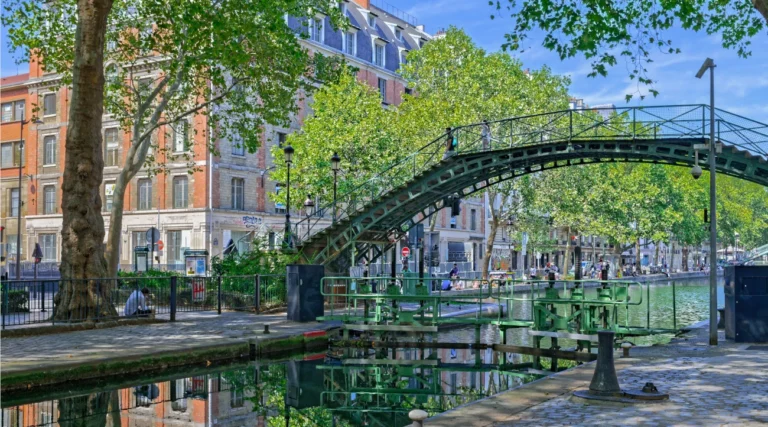
Perspective view of Canal Saint Martin and one of its bridges
Exterior of a historic Buillons in Paris
A tourist fiddles with his phone near Les Invalides
Fontaine des Innocents at night
Eiffel Tower seen from the Passy district

Activities and tours you can't miss

Share:
Previous
Centre Pompidou: Modern Art in the Heart of Paris
Next
Louvre Museum: What to See and Tips for Visiting