

In short
Designed by Renzo Piano and Richard Rogers, the Centre Pompidou breaks with traditional conventions by exposing its colorful pipes and technical systems to the outside. Its futuristic industrial façade houses the Musée National d'Art Moderne, a chronological journey tracing the visual and conceptual evolution of the twentieth century.
-
Era: Founded in 1977
-
Architecture: high-tech and structuralism
-
Artistic movements: Fauvism, Cubism, Surrealism, Abstractionism, Pop Art and Multimedia Installations
-
Best time: Late afternoon to watch the sunset over the rooftops
Temporarily closed (until 2030)
☰ Table of Contents
Pompidou Centre opening hours and prices
Here's all the useful information on rates and opening hours to help you plan your visit to the exhibition center. Please note: the Pompidou Center will be closed until 2030 for maintenance.
Opening hours
-
Every day except Tuesday 11:00 - 21:00
Last admission 1 hour before, Thursday closes at 11pm
-
Ordinary closures
Every Tuesday, May 1st
Prices
-
Adults from €15
-
Reduced 12€
18-25 non-EU
-
Free entry Free
Minors under 18, disabled people with companion, EU Under 26s
What to see at the Pompidou
Walk among the riches of an immense collection where each gallery holds precious treasures from every corner of the earth.
La Blouse Roumaine by Henri Matisse
Admire the famous 1940 canvas, an icon of pure line and color.
Marcel Duchamp's Fountain
Observe the most famous and provocative ready-made in the history of twentieth-century art.
Harlequin by Pablo Picasso
Let yourself be struck by the geometric melancholy of the painting created in the classical period.
The Masters of Abstraction and Surrealism Not to be missed
Explore the rooms dedicated to the historical avant-garde, filled with works by absolute geniuses including Wassily Kandinsky, Joan Mirò, Piet Mondrian, and Salvador Dalí.
Pop Art and Contemporary Art
Discover the expressive power and monumental installations born in the post-war period with the iconic works of Andy Warhol, Yves Klein and sculptor Niki de Saint Phalle.
The visit to the Pompidou
Follow these quick tips to navigate this gigantic museum complex with ease.
Best moment
Around six o'clock, when the light on the city changes.
Crowding
Moderate and well distributed along the wide industrial corridors.
Suitable for children
Yes, the colorful tubes outside are a lot of fun for little ones, but the visit shouldn't last too long.
What not to miss
The spectacular ride on the escalator protected by the transparent tube.
Type of experience
Provocative, stimulating, lively and projected towards modernity.
What to expect
Large spaces, concrete floors, and plenty of creative inspiration.
How to visit the Pompidou
The main entrance opens onto the vast Place Georges-Pompidou. After passing security on the ground floor, ascend to the upper levels via the large transparent exterior tunnels that climb the façade. Remember, the Pompidou is closed for renovation until 2030.
Need to know
- The building was strongly desired by French President Georges Pompidou.
- The colors of the external tubes indicate their actual technical function.
- Blue carries air, green water, yellow electricity.
- Red manages all the flows of people movement.
Practical advice
- Always purchase your time slot online to skip the lines.
- Climb to the top floor to take unique panoramic photos.
- Use the free cloakroom to store backpacks or umbrellas.
- Check the website to see which rooms host the temporary masterpieces.
How to get to the Pompidou
The museum is located in the lively Marais district, within the fourth arrondissement.
Line 11 stops at the very nearby Rambuteau station.
Châtelet - Les Halles station (RER A, B, D) is five minutes away.
Lines 29, 38, 47 and 75 stop along the street.
Walk along Rue Rambuteau starting from the modern area of Les Halles.
Place Georges-Pompidou, 75004
Official Transport Paris
- Paris Metro Map
- RER tickets and fares
- Taxis in Paris (numbers and alternatives)
History of the Pompidou
In the late 1960s, French President Georges Pompidou decided to create a large, multidisciplinary cultural center in the heart of Paris, combining modern art, literature, music, and design. For the first time in the country's history, an international competition was held, open to architects from around the world. From hundreds of submitted projects, the jury chose the futuristic idea of two young, then-unknown architects: Italian Renzo Piano and Englishman Richard Rogers.
Read moreShow less
Read moreShow less
The construction of the building in the old working-class district of Beaubourg sparked an unprecedented wave of protests and controversy. Critics called the structure an "oil refinery" or an "industrial monster" completely out of place compared to the elegance of the surrounding historic buildings. The architects had overturned the traditional structure, emptying the interior of its load-bearing pillars and moving all the technological systems and pipes outside the facade.
Upon its inauguration in 1977, the Centre Pompidou proved to be a resounding global success. Parisian and international audiences immediately fell in love with this free, democratic space, free from the severity of traditional museums. The large sloping plaza in front became a gathering place for young people, artists, and intellectuals, seamlessly integrating the monument into the city's social fabric.
Over the decades, the museum has continued to collect masterpieces, becoming a global reference point for the study and conservation of contemporary visual arts. Today, nearly fifty years after its founding, the building is undergoing a major structural renovation to renovate its systems and remove asbestos, while preserving the original utopian spirit of its designers.
Curiosities about the Pompidou
Special notions hosted within the walls of the colorful Beaubourg palace.
The animated fountain: in the nearby Place Stravinsky there is a splendid fountain full of colorful, moving sculptures created by Jean Tinguely and Niki de Saint Phalle.
A transparent caterpillar: the large external escalator that cuts diagonally across the facade is affectionately called “the caterpillar” by Parisians.
The painter's studio: just outside the museum, the historic Parisian studio of the Romanian sculptor Constantin Brâncuși has been faithfully reconstructed.
The pipe record: if all the colored external pipes of the facade were joined into a single line, the total length would exceed one hundred kilometers.
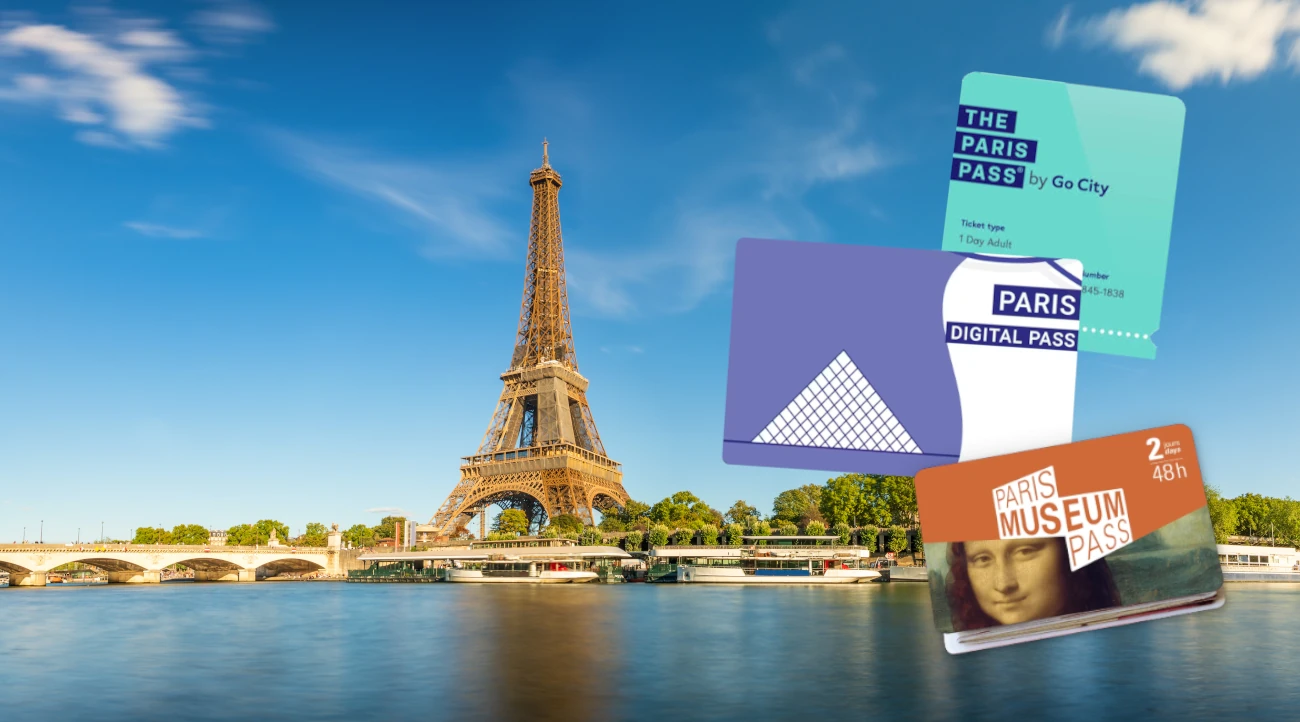
Paris Museum Tickets and Passes
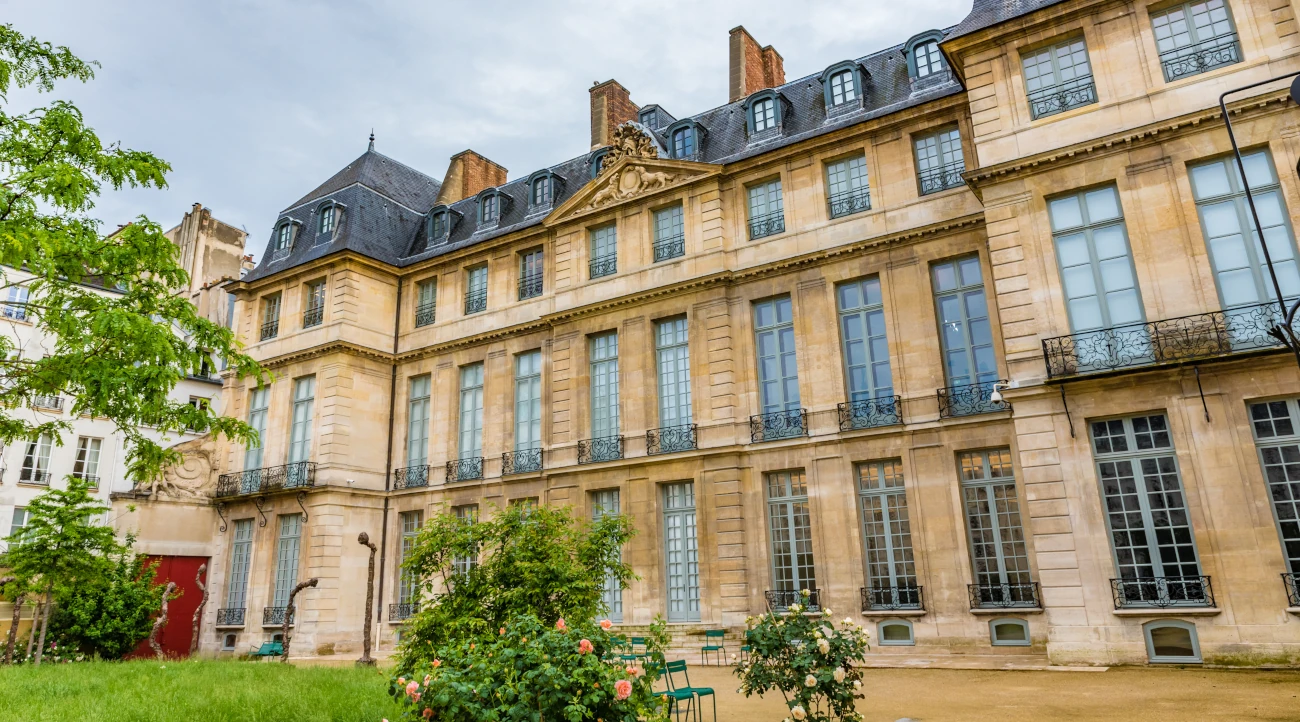
Find accommodation near the Pompidou
The Marais district is definitely full of accommodation options (you can see for yourself on the interactive map).
Frequently Asked Questions
Can you bring a backpack or is there a storage area?
Small backpacks are allowed. Trolleys and large bags over 35 centimeters are prohibited, and there is no storage.
Is there a dress code for entry?
No, the atmosphere is very casual and informal. You're welcome to come in casual attire.
Can I take photos of the artwork on display?
Yes, photography for personal use is free in the permanent studios, always without flash or tripods.
How long does it take to visit the collections?
Typically, about two hours are enough to see the major 20th-century masterpieces. Afterward, you can enjoy a food tour of the Marais district.
Is the facility wheelchair accessible?
Yes, there are dedicated elevators on each level and the entrance is step-free.
Can tickets be purchased at the box office?
Availability on site is very limited. It's best to always purchase your time slot on the website.
What is the weekly closing day?
All exhibition galleries are closed on Tuesdays for rest and internal work.
When will the Pompidou reopen?
Work to modernize the structure and redesign the interior spaces began in 2025. The Centre Pompidou will reopen in 2030.