

In short
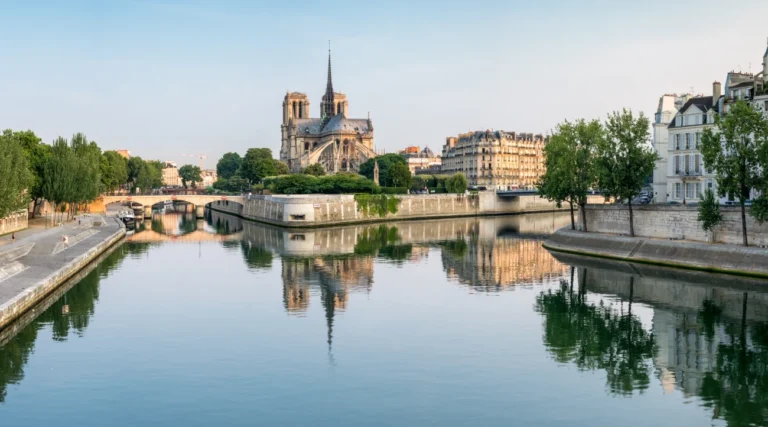
The Île de la Cité is the historic heart of Paris and the birthplace of the city. Some of the capital's most important monuments, such as Notre-Dame, the Sainte-Chapelle, and the Conciergerie, are located here, as well as evocative bridges and views of the Seine.
- Foundation center of the ancient city.
- Greatest masterpieces of French Gothic .
- Ancient seat of medieval royal power .
- Extraordinary panoramic views of the river.
☰ Table of Contents
What to know before visiting Île de la Cité
As the city's tourist and institutional hub, the island features heavily guarded areas and entirely pedestrianized spaces. Planning access to individual monuments is essential to avoid long waits, especially near the security checkpoints of the courthouses.
The strong points
- Unique monuments of world significance.
- Splendid tree-lined squares from times gone by.
- Scenic walks along the docks.
- Central location, very easy to reach.
To keep in mind
- Very strict security checks.
- Very few cheap grocery stores.
- Crowded spaces during peak hours.
- Roads sometimes congested by construction sites.
What to see in Île de la Cité
The island concentrates in just a few hundred meters some of the most important and celebrated sacred and civil architecture in all of Europe.
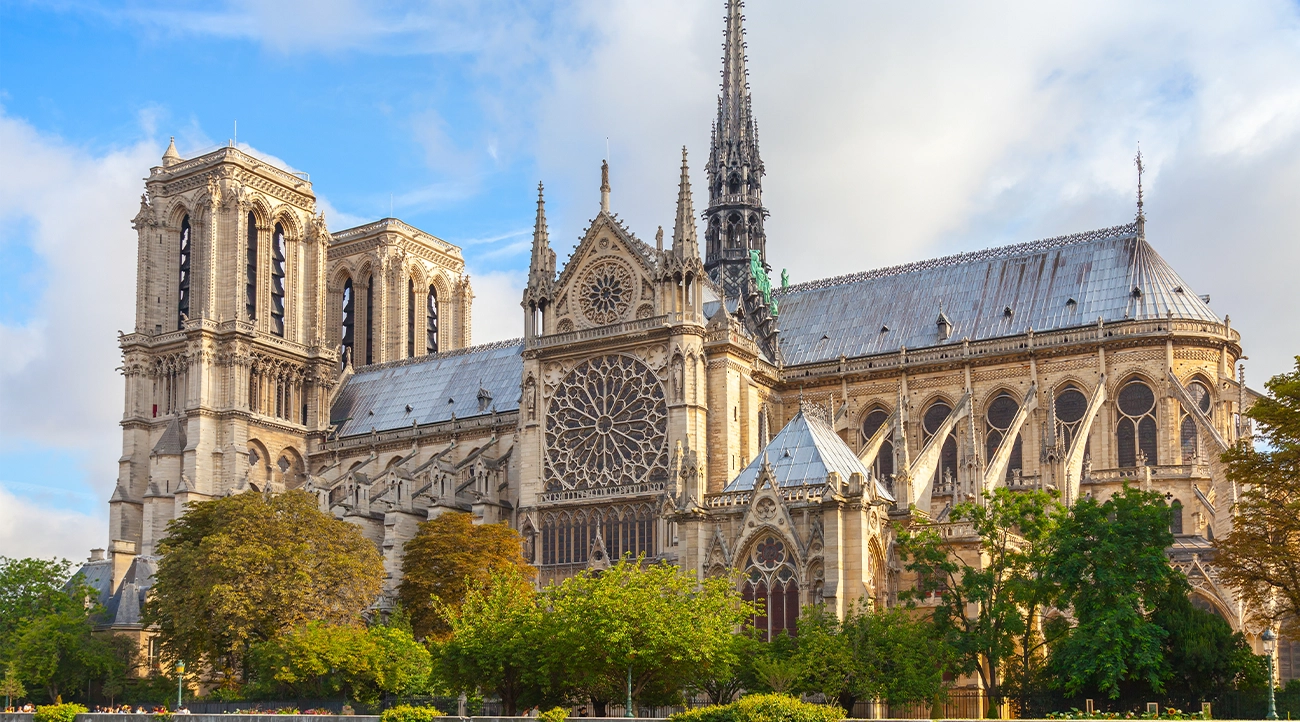
Notre-Dame Cathedral Not to be missed
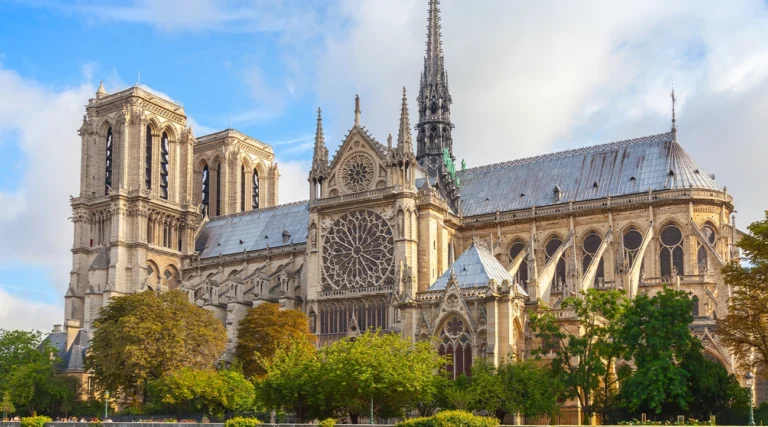
The immortal symbol of the city and an absolute masterpiece of Gothic architecture, with its majestic towers and famous gargoyles.
Sainte-Chapelle
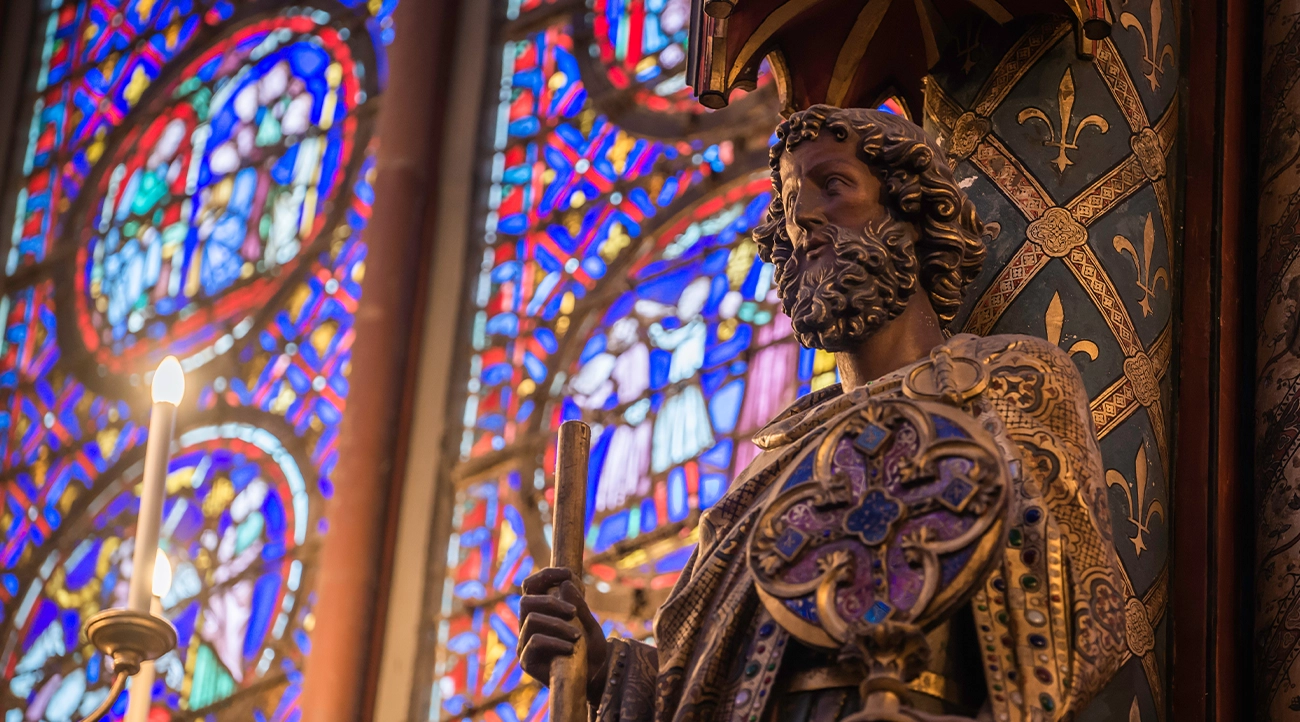
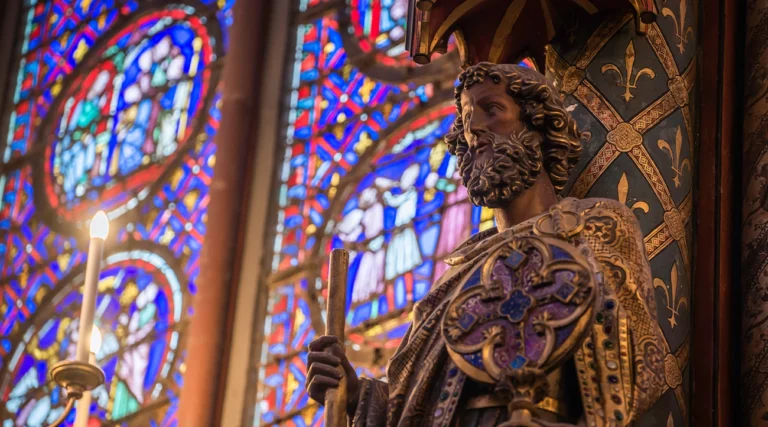
A treasure chest of light famous throughout the world for its monumental and spectacular 13th-century stained glass windows.
Conciergerie
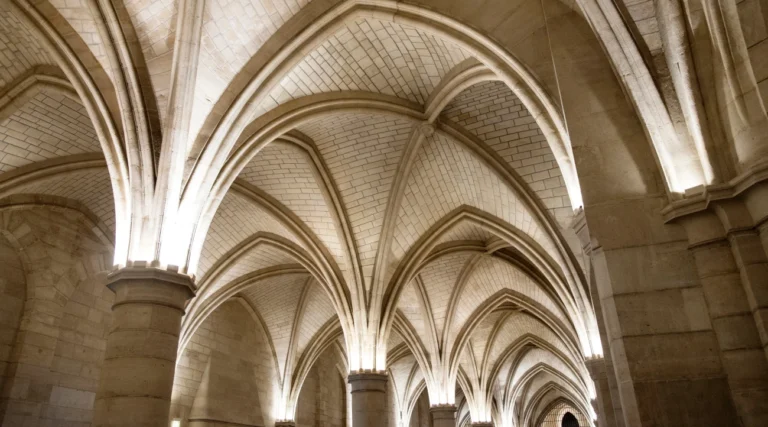
The ancient medieval royal palace transformed into a maximum security prison during the dramatic years of the French Revolution.
Pont Neuf
The oldest surviving stone bridge in Paris, adorned with hundreds of masks carved into the rock.
Place Dauphine
A refined and elegant triangular square hidden among the buildings, beloved by artists and petanque players.
Archaeological Crypt of the Island
A protected underground space that preserves the ancient Roman and medieval remains of the city's first foundations.
Marché aux Fleurs Reine Elizabeth II
The historic and characteristic covered flower market that has filled the heart of the island with color and scents since 1808.
Square du Vert-Galant
A small public garden located on the western tip of the island, ideal for watching the boats pass by.
Visit to the Île de la Cité
Exploring this spur of riverine land requires a purely cultural approach, ideal for lovers of medieval history and great monuments.
Best moment
Arrive early to avoid queues.
Crowding
Very high near monuments.
Suitable for children
Yes, for outdoor gardens.
What not to miss
The stained glass windows of the Sainte-Chapelle.
Type of experience
Monumental, historic and highly photographic.
What to expect
Great architecture and tourist flows.
Things to do on the Île de la Cité
Contemplate the reflections of the sun on the 13th-century stained-glass windows before walking down to the banks of the Seine for a relaxing stroll in the shade of the large centuries-old trees at the tip of the island.
Need to know
- The island was the original territory of the Celtic tribe of the Parisi.
- It housed the palace of the Roman governors during the Lutetian era.
- The Sainte-Chapelle was built solely to house the Crown of Thorns.
- The Pont Neuf was the first Parisian bridge built without any houses on it.
Practical advice
- Book your entrance to the Sainte-Chapelle online.
- Rest on the benches of Place Dauphine.
- Get past metal detectors with just a few items.
- Visit the underground crypt to avoid the heat.
How to get to Île de la Cité
Located in the very center of the metro, the island acts as a natural bridge between the two shores and is served by excellent transport hubs.
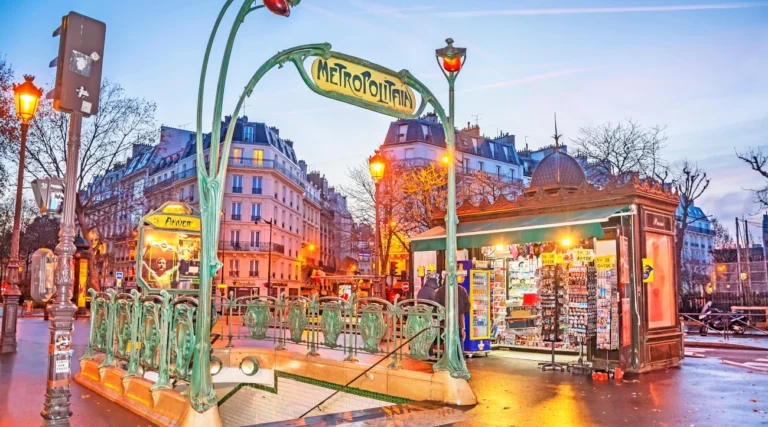
Line 4, Cité stop, the only station located entirely on the surface of the river island.
Lines 21, 38, 47, 58, 70 and 96 stop directly on the main connecting bridges.
Accessible by nine different bridges that connect themetro of the island to the two city banks.
Lines B and C stop at the very nearby Saint-Michel Notre-Dame underground station, a few steps from the square.
Central point: Place Louis Lépine
Official Transport Paris
- Paris Metro Map
- RER tickets and fares
- Taxis in Paris (numbers and alternatives)
History of Île de la Cité
The history of this strip of land coincides inextricably with the very birth of the French capital. Around the third century BC, the Celtic tribe of Parisii chose this strategic location in the middle of the Seine to establish a fortified settlement, protected from currents and external incursions. With the arrival of the Roman legions led by Julius Caesar, the island was incorporated into the new city of Lutetia, becoming the administrative and military hub of the region, connected to the banks by two primitive wooden bridges.
Read moreShow less
Read moreShow less
In the Middle Ages, the site became the official residence of the kings of France and the spiritual center of the kingdom. Under the impetus of enlightened rulers and influential bishops, the urban layout underwent a radical transformation in the twelfth century with the start of the monumental construction of the Cathedral of Notre-Dame. A few decades later, King Louis IX the Saint ordered the construction of the Sainte-Chapelle to house the precious relics of the Passion, transforming the island into a true fortress of Western Christianity.
The definitive relocation of the royal court to the Louvre Palace and subsequently to Versailles changed the island's function, which became the official seat of the country's highest judicial institutions. During the nineteenth century, Baron Haussmann ordered the demolition of the dense labyrinth of medieval alleys and private homes that occupied the island's center, making way for the monumental Prefecture offices and the Palais de Justice that we still admire today.
Curiosities about Île de la Cité
The cobblestones and walls of this river spur hold medieval legends, engineering records and universal geographical landmarks.
- Ground zero: on the square in front of the cathedral there is a bronze compass rose marking kilometremetro of French roads.
- The Queen's Cell: Inside the Conciergerie, you can visit the exact space where Marie Antoinette spent her last days.
- The public clock: on the tower of the Palais de Justice you can admire the first public clock installed in Paris, dating back to 1370.
- The tragic fire: at the tip of the island, Jacques de Molay, the last grand master of the Order of the Knights Templar, was burned at the stake.
- The grotesque masks: the decorations of the Pont Neuf depict marine deities and caricatures of figures from the sixteenth-century royal court.
- The disappeared island: the current Square du Vert-Galant was born from the union of two small secondary islets which were incorporated into themetro .
What to book in and around Île de la Cité
Where to sleep in Île de la Cité
Ile de la Cité is the geographical heart of Paris, staying here means choosing a hotel from which you can move around exclusively on foot.
Where to eat in Île de la Cité
Restaurant Paul
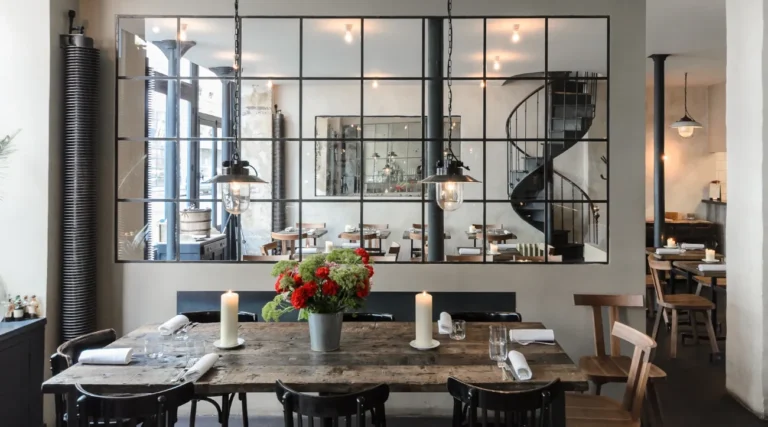
A delightful historic restaurant located in the beautiful Place Dauphine, famous for its traditional French cuisine and exquisitely retro atmosphere.
15 Place DauphineAu Bougnat
A welcoming traditional bistro located just steps from the cathedral, ideal for enjoying excellent cheese platters and homemade specialties.
26 Rue de la ColombeThe Palace Cave
An elegant, refined restaurant with stone rooms and outdoor tables overlooking the square, renowned for its meat dishes and fine wines.
17 Place DauphineFrequently Asked Questions
What is the main attraction of the Île de la Cité?
Notre-Dame Cathedral and the nearby Sainte-Chapelle are undoubtedly the most important and popular monumental destinations on the entire island.
What is the name of the metro stop on the island?
The reference station is Cité, located on line 4, famous for its deep underground metal structure and its vintage street lamps.
Are the island's monuments free to visit?
Access to historic churches follows specific rules, while the Sainte-Chapelle, the Conciergerie, and the underground crypt always require the purchase of a ticket.
Is it possible to walk along the banks of the Seine?
Yes, the lower docks that surround the entiremetro of the island are completely pedestrianized and offer ideal paths for walking and photography.
How long does it take to visit the whole island?
A complete itinerary that includes internal visits to the two main historical sites usually requires a morning of about three hours.
What is the oldest bridge connecting the island to the city?
Despite its misleading name, the Pont Neuf (New Bridge) is officially the oldest stone bridge still standing intact.
Is the Sainte-Chapelle suitable for visitors with reduced mobility?
Yes, but since it is a medieval structure with narrow spiral staircases, you must request assistance from staff to use the internal elevator.
Where can you take the best photos of Notre Dame?
The best views are from the Pont de l'Archevêché or from the public gardens located at the rear and side of the structure.
Are there any typical markets open during the week?
Yes, the historic flower market located on Place Louis Lépine remains open every day, offering a much-loved fragrant stop.