

The charm of the Parisian bistro: simplicity, taste, and seasonality
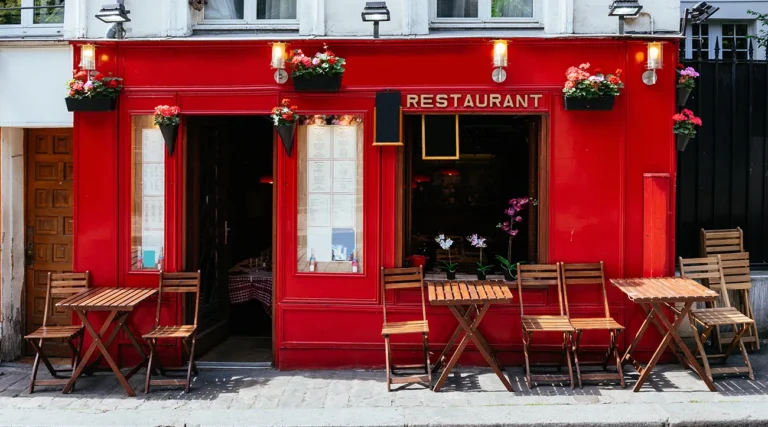
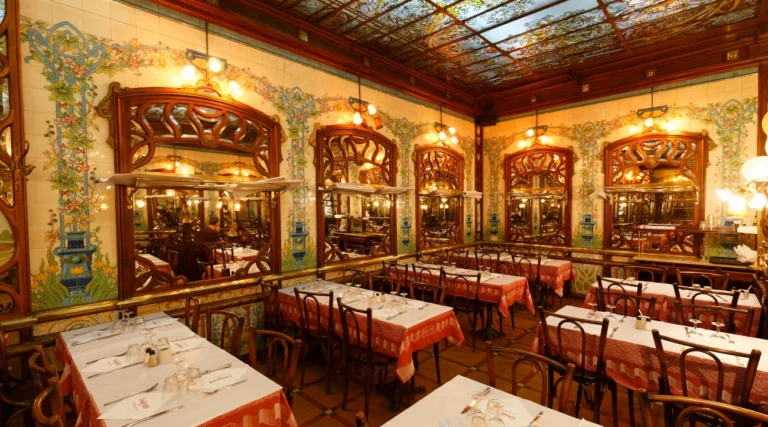
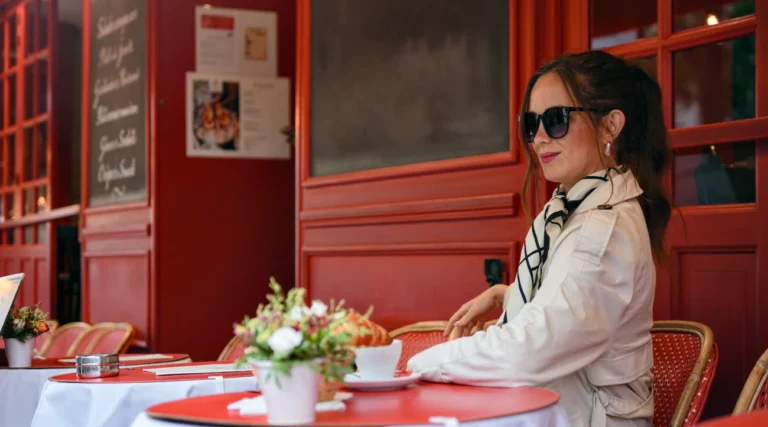
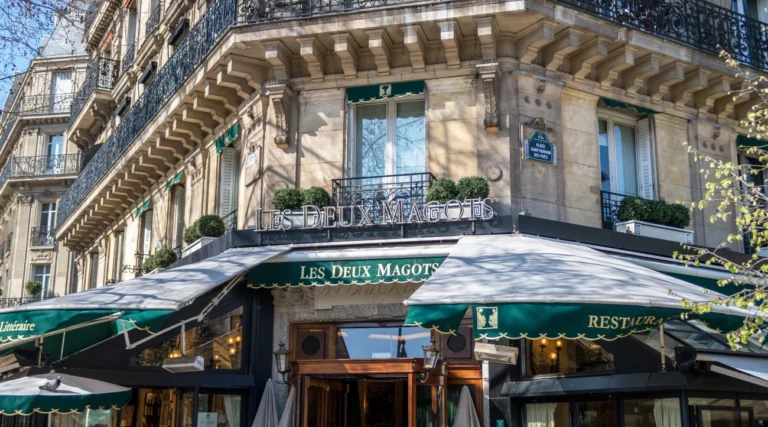
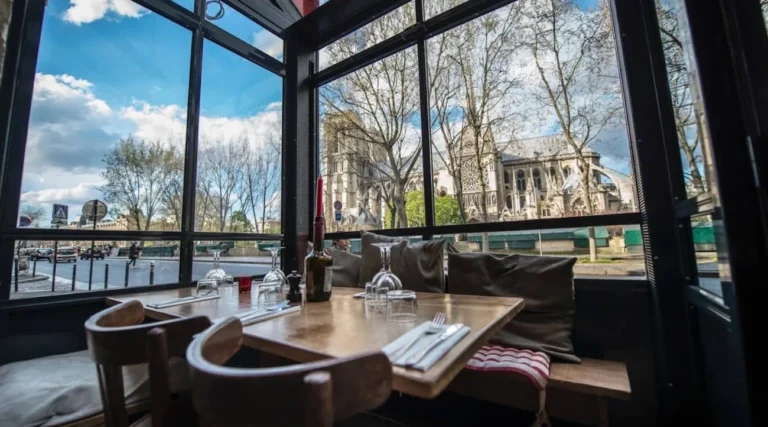
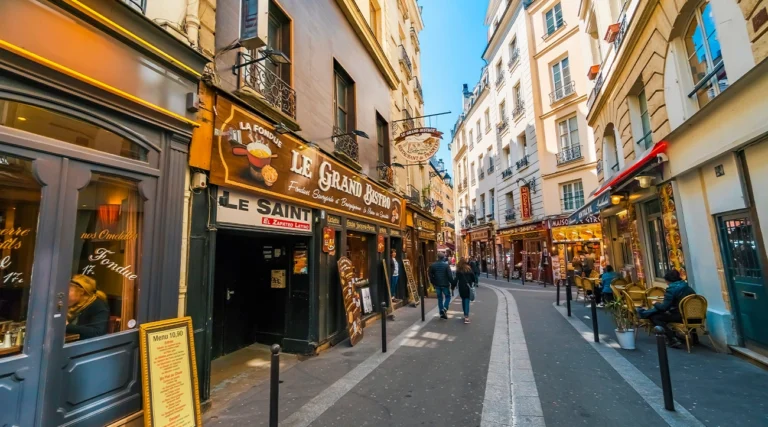
If the brasserie represents grandeur and bustle, the bistro is the warm and convivial heart of Parisian dining. Born as a small, family-run neighborhood restaurant where residents gathered for a hot dish and a glass of house wine, the bistro has evolved over time while maintaining its authentic soul.
Today, the Parisian bistro scene is characterized by a remarkable duality: on one side, the historic establishments, jealous guardians of grandmother's dishes and a retro atmosphere; on the other, the protagonists of bistronomy, a movement born in Paris that combines haute cuisine techniques with an informal setting and affordable prices. In both cases, the philosophy remains the same: seasonal ingredients, a carefully curated wine list, and a genuine welcome that makes you feel instantly at home.
☰ Table of Contents
The ideal neighborhoods to discover a real bistro
While in the more touristy districts it is easy to come across commercial reinterpretations, some neighborhoods retain an extraordinary density of excellent addresses.
11th Arrondissement and Oberkampf
The undisputed epicenter of modern Parisian bistronomy, packed with talented young chefs and dynamic venues.
Le Marais and Bastille (3rd and 4th arrondissements)
A perfect blend of perfectly preserved old taverns and contemporary venues focused on organic products.
Saint-Germain-des-Prés and Odéon (6th arrondissement)
The Rive Gauche offers bistros with classic charm, with zinc counters and traditional recipes expertly executed.
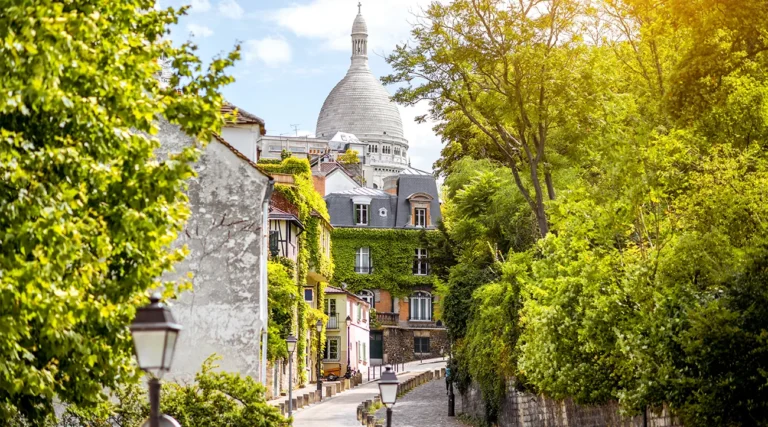
Montmartre and Batignolles (17th and 18th arrondissements)
Quiet corners away from the main streams where you can rediscover the slow pace of neighborhood life.
Gastronomic experiences to be enjoyed at a bistro table
Read the daily menu directly from the ardoise (the blackboard brought to your table by the waiter), accompany your meal with natural wines from small French wineries and finish with a traditional homemade dessert.
Recommended bistros in Paris
A selection of six unmissable references that represent the best of Parisian culinary tradition and innovation.
Chez Georges
An authentic temple of Parisian tradition with intact furnishings, famous for its eggs and mayonnaise, meats in sauce and its old-world atmosphere.
The Relais Bookshop
Led by chef Yves Camdebounne, it is one of the symbols of the bistronomic movement, renowned for its refined seasonal dishes.
Paul Bert Bistro
A legendary address for meat lovers, famous for its green peppercorn entrecote, homemade fries, and Grand Marnier souffle.
The Desnoyez
A cozy neighborhood bistro in Belleville featuring market-sourced produce and a seasonally changing chalkboard menu.
The great bistro kitchen in the 11th arrondissement
In recent years, the 11th arrondissement has become a favorite destination for gourmets from around the world. Its inner streets are home to restaurants with a minimalist aesthetic but extraordinarily complex cuisine, where the menu changes almost daily based on what suppliers bring in that morning.
Choosing this neighborhood for dinner allows you to experience creative dishes, bold pairings, and a selection of natural wines that is redefining the way you eat in Paris.
Septime
One of the world's most famous contemporary bistros, acclaimed for its conceptual cuisine, minimalist ambience, and magnificent wine list.
Clown Bar
Located next to an ancient winter circus, it offers bold and eccentric cuisine accompanied by an extraordinary selection of natural wines.
How much does it cost to eat in a bistro in Paris?
The bistro remains one of the best value options in the city, especially when taking advantage of the lunch specials.

| Type of meal | Indicative price |
|---|---|
| Entrée (Appetizer of the day) | 8–14 € |
| Formula du Midi (2 or 3-course lunch) | 20–32 € |
| Evening dinner à la carte (3 courses) | 38–58 € |
| Glass of selected wine | 6–10 € |
| Bistronomic tasting menu (5-6 courses) | From €65 |
To choose the area
- 11th Arrondissement to try the creations of modern bistronomy.
- Saint-Germain-des-Prés for an intimate atmosphere and historic recipes from the early 20th century.
- Le Marais to combine dinner with a stroll through the city's liveliest streets.
- Batignolles for an authentic evening off the beaten track.
To choose the venue
- Seating inside a bistro is often limited
- Look for places that offer menus written on mobile blackboards (ardoise)
- For lunch, always choose the Formule du Midi
- Don't hesitate to ask the staff for advice on wine pairings.
Ideas for a post-dinner getaway in Paris
Map of the best bistros in Paris
Consult the map to pinpoint the recommended spots and plan your foodie stops around the city.
Frequently Asked Questions
What's the most typical dish to order in a traditional bistro?
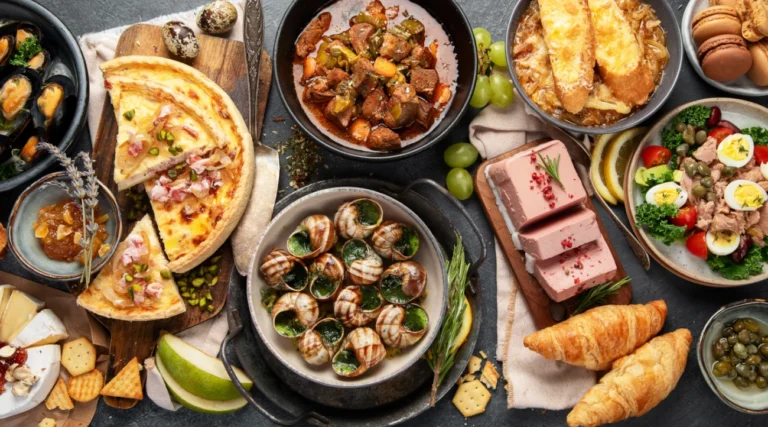
Boeuf Bourguignon (beef stew in red wine), Confit de Canard (duck leg confit) and Eggs Mayonnaise (Oeufs Mayo) are among the great classics that you can't miss.
What time do people have lunch and dinner in Parisian bistros?
Unlike brasseries, bistros have strict opening hours: lunch is usually served between 12:00 and 14:00, while dinner runs from 19:30 until 22:00.
Is it easy to find vegetarian options in bistros?
In modern bistros (especially in the 10th and 11th arrondissements), vegetarian options are the order of the day. In historic bistros, however, the cuisine is predominantly meat or fish-based.
What is "bistronomy"?
It is a culinary movement born in Paris that combines the techniques and research of starred cuisine (gastronomy) with the simplicity, informality and affordable costs typical of the bistro.
Is it necessary to leave a tip in bistros in Paris?
In France, service is always included in the bill (service compris). Leaving a few euros (€2–€5) as a tip for particularly pleasant service is still a much-appreciated gesture.
Is it possible to go to a bistro just to have a glass of wine?
During meal times, tables are reserved for those eating. Many bistros, however, have a zinc counter where you can stop for a drink before service.