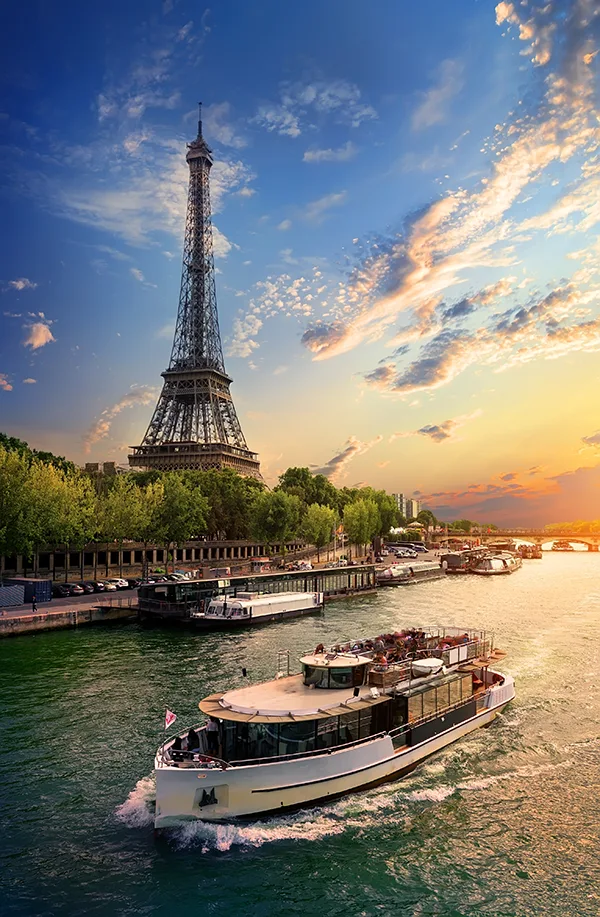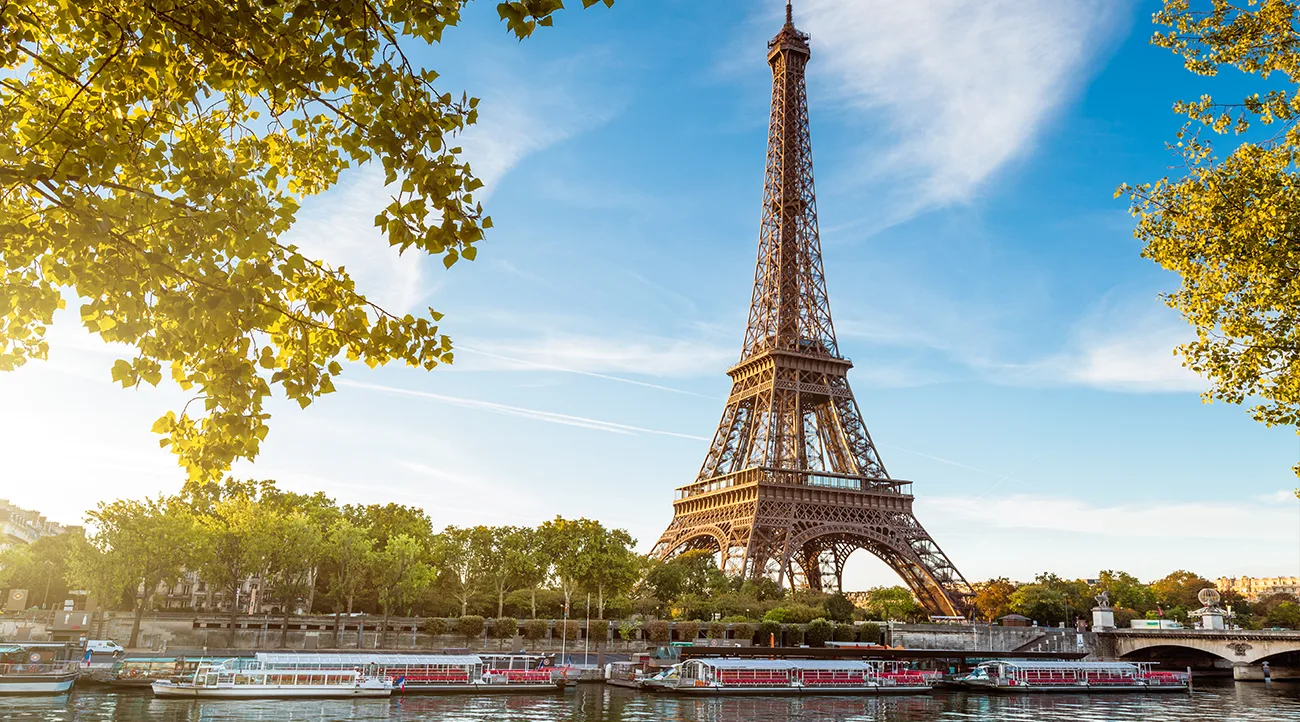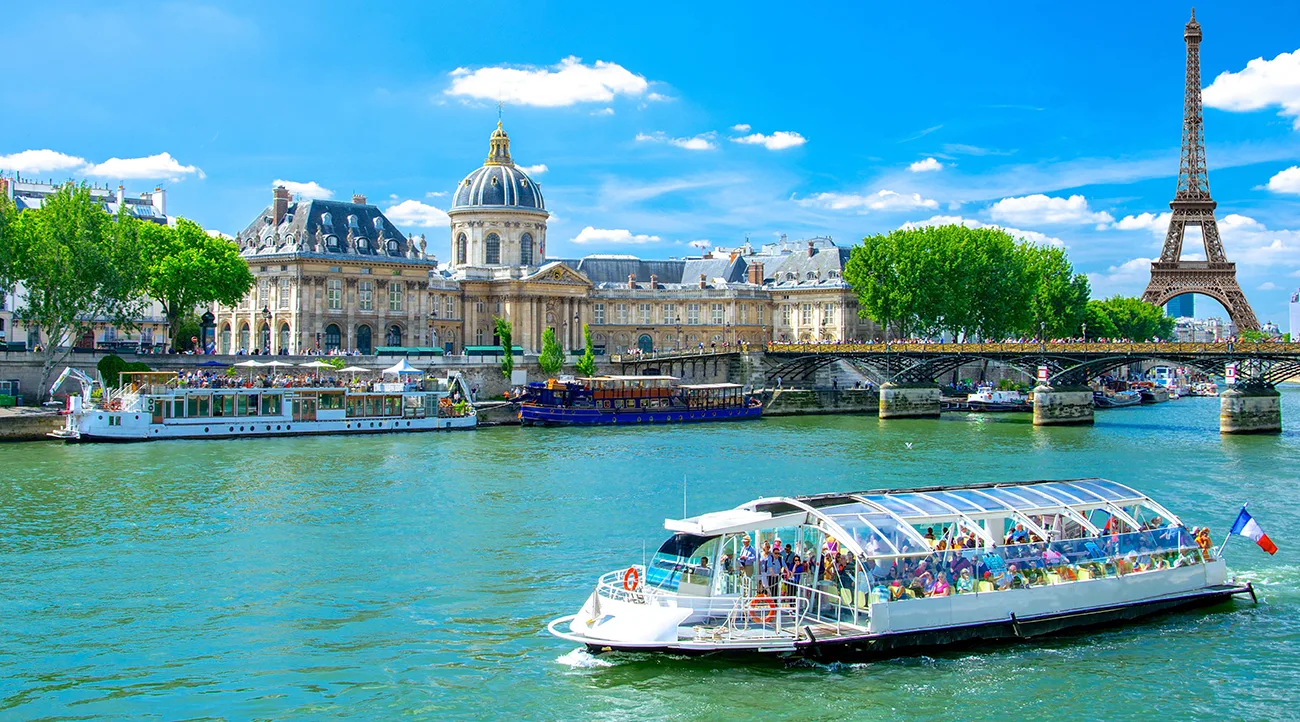


Eiffel Tower: What to see, when to go up, and helpful tips

From the best panoramic times to online tickets: everything you need to organize your visit without wasting time

In short

Table of Contents

Eiffel Tower opening hours and prices

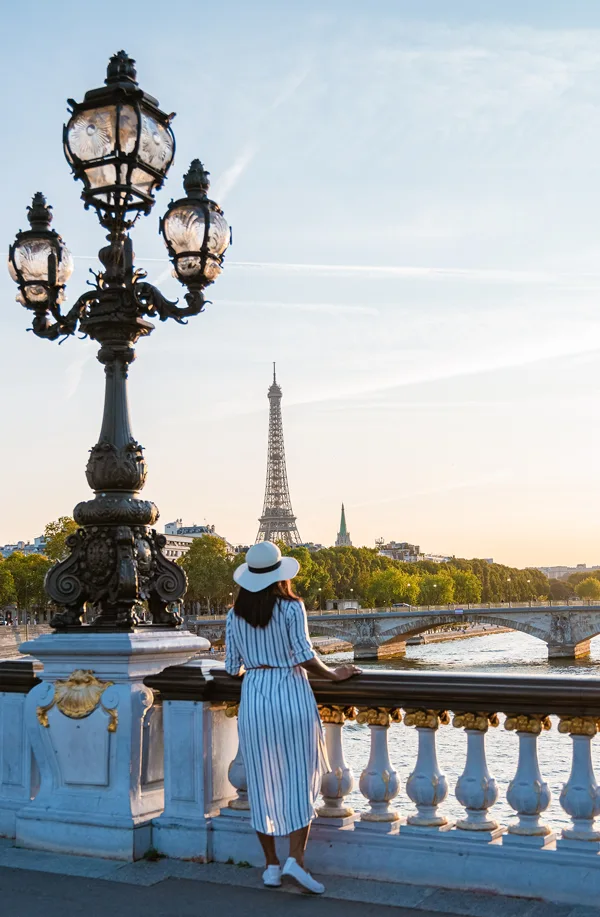
The Eiffel Tower offers much more than just a panoramic view: each level offers different perspectives of the city and the famous iron structure that has dominated Paris since 1889.

Opening hours

  • Everyday 09:30–23:45

    Open all year round

  • Last Access 22:30

    1h 15 before closing

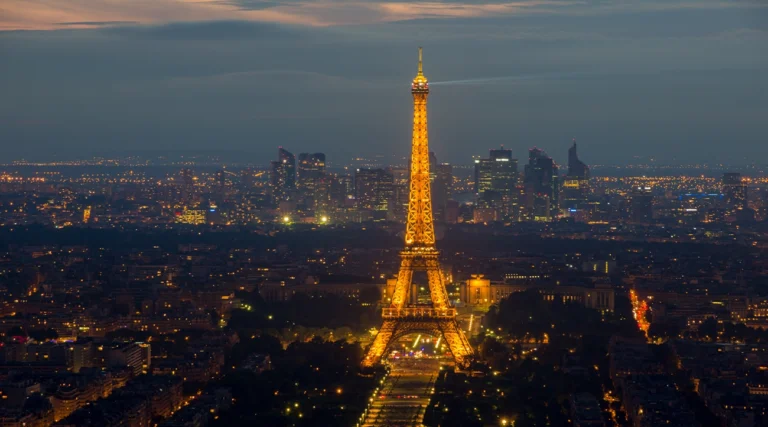
  • Evening lighting from 10pm

    The tower lights up every hour for 5 minutes

Prices

  • Adults from €22.60
  • Children (4-11) from €5.70
  • Children (0-3) Free
  • Disabled people and companion from €11.30

What to see at the Eiffel Tower

The Eiffel Tower offers much more than just a panoramic view: each level offers different perspectives of the city and the famous iron structure that has dominated Paris since 1889.

1

The first floor

Panoramic walkways, glass areas and views of the Champ de Mars.

2

The second floor

One of the best spots to photograph Paris.
3

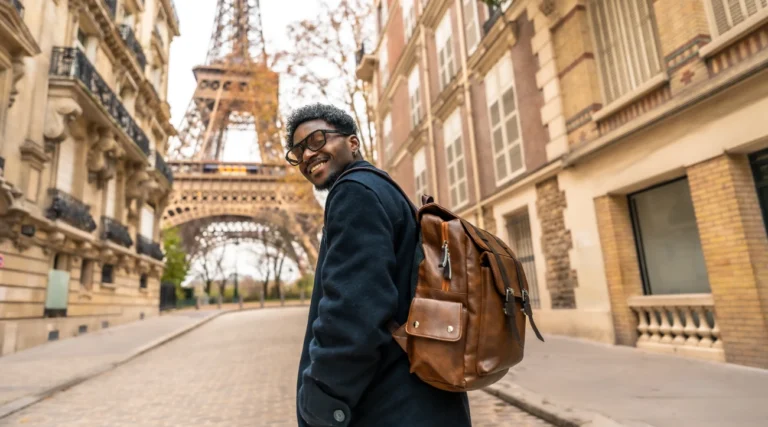
The top of the tower Spectacular view

360-degree panoramic view of the city.

4

The metal structure

The metal interweaving makes the tower unique.

5

The evening lights

After sunset the tower lights up every hour.

Visiting the Eiffel Tower

Opening hours, crowds, and views can significantly impact your Eiffel Tower experience. Here are the most useful things to know before planning your visit, whether you're taking a guided tour or purchasing tickets in advance.

How to visit the Eiffel Tower

Some options allow you to avoid the queues and visit the Eiffel Tower with greater peace of mind.

Powered by GetYourGuide

Need to know

  • The top may close in case of strong winds.
  • The queues get much longer in the afternoon.
  • The second floor offers the best views.
  • Checks begin in the external area.

Practical advice

  • Sunset is one of the most spectacular moments.
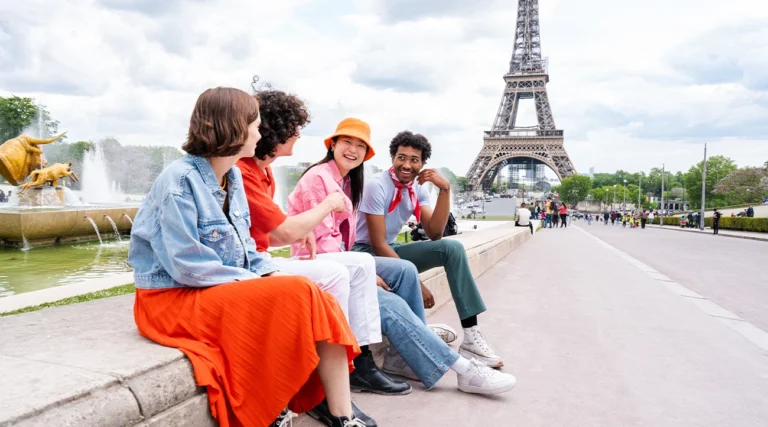
  • The best photos are taken from the Trocadéro.
  • Booking online avoids very long waits.
  • In the evening the tower lights up every hour.

How to get to the Eiffel Tower

Getting to the Eiffel Tower is quite simple: it is located in the 7th arrondissement of Paris and is well connected by metro, RER and bus

Metro

The most convenient stop is Bir-Hakeim (Line 6), just a few minutes' walk from the Eiffel Tower. Alternatively, you can use Trocadéro (Lines 6 and 9), which also offers one of the most famous views of the monument.

Rer

The Champ de Mars – Tour Eiffel station (RER C) is located in the immediate vicinity and is one of the most practical solutions for reaching the Eiffel Tower from various areas of Paris.
Bus

Lines 42, 69, 82 , and 87 provide easy access to the Eiffel Tower from various areas of Paris.
Standing

The Eiffel Tower is easily accessible on foot from Trocadéro, Champ de Mars, and Les Invalides. A stroll through the area allows you to see some of the most beautiful views of Paris before reaching the monument.

Champ de Mars, 5 Avenue Anatole, 75007

History of the Eiffel Tower

The Eiffel Tower was built for the1889 Universal Exhibition, organized in Paris to celebrate the centenary of the French Revolution. At the time, the city wanted to amaze the world with a work capable of representing technological progress and the strength of modern engineering.

The chosen project was that of the engineer Gustave Eiffel, who imagined a gigantic iron structure over 300 metres high, something never seen before for that period.

Construction began in 1887 and required a monumental effort: thousands of metal elements were assembled with pinpoint precision to create what would become the tallest tower in the world for decades. Although it is now beloved by virtually everyone, the Eiffel Tower initially sparked considerable controversy. Parisian artists, writers, and intellectuals considered it too modern, too industrial, and unsuited to the city's elegance.

The Eiffel Tower's iron structure was truly revolutionary for its time. Standing over 300 meters tall and composed of thousands of metal elements assembled with pinpoint precision, the tower demonstrated the capabilities of modern engineering at the end of the 19th century.

Many critics of the time described the tower as a gigantic iron structure destined to ruin the Paris skyline. Official protests and open letters against the project were published, but work continued. Upon its inauguration, however, the Eiffel Tower quickly began to arouse public curiosity and attract visitors from all over Europe.

The tower was originally intended to remain standing for only a few years. It was designed as a temporary installation for the World's Fair. Over time, however, it also proved extremely useful for scientific experiments and radio broadcasts, which is why it was decided to keep it. This decision completely changed the monument's fate.

Over the course of the twentieth century, the Eiffel Tower gradually became the most recognizable symbol of Paris and France.

Even today, it dominates the city skyline, illuminating Parisian evenings and continuing to attract millions of people every year. Climbing the tower means not only seeing Paris from above, but also experiencing one of the most famous and photographed monuments in the world.

Curiosities about the Eiffel Tower

Eiffel Tower Tickets and Tours

Find accommodation near the Eiffel Tower

Using this simple map, you can find fantastic deals simply by navigating and moving around. For more unique options, read about the best hotels with a view of the Tower.

Frequently Asked Questions

How long does it take to visit the Eiffel Tower?

On average, it takes about 2-3 hours to visit the Eiffel Tower at a leisurely pace, especially if you climb to the top. During peak periods, waits may be longer.

Sunset is one of the most appreciated moments because it allows you to see Paris both in daylight and illuminated at night.

Yes, the Eiffel Tower has several panoramic levels you can visit. The top level offers a 360-degree view of the city.

Yes, the tower is illuminated every evening and also features sparkling light shows after dark.

The most convenient stop is Bir-Hakeim on line 6 of the Paris metro , located a few minutes' walk from the monument.

Yes, the visit is also suitable for families thanks to the elevators, panoramic areas, and spaces on the various levels.

You can find the best solutions in our article: where to sleep near the Eiffel Tower.

The most famous landmarks are the Trocadéro, the Champ de Mars, the Pont de Bir-Hakeim and some of the city's panoramic terraces.

Tickets and Tours to Paris' Top Attractions

You might also be interested in...

The journey continues…

The famous café Les Deux Magots
Breakfast with a view of the Eiffel Tower
Bottom view of the Eiffel Tower in Paris - wide angle shot
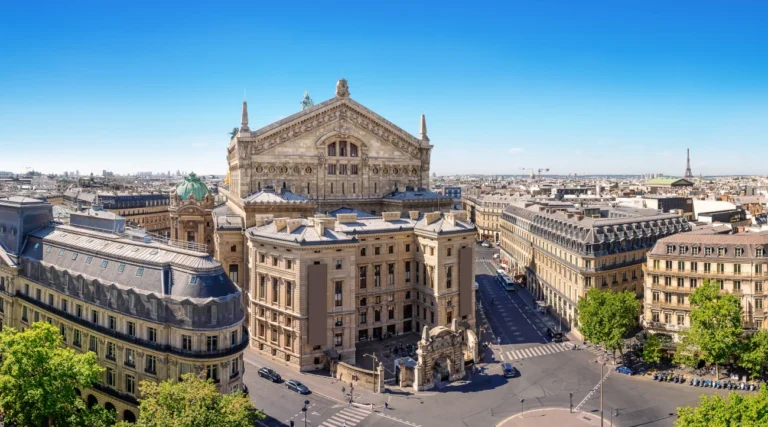
View of the rooftops in the Opera district of Paris
Parisian rain on a stained glass window
Looking out the window onto the streets of Paris

Activities and tours you can't miss

Share:
Previous
Arc de Triomphe: Panoramic Terrace and What to See
Next
Where to Stay in Paris for Your First Time: The Best Areas for a First Trip