

In short
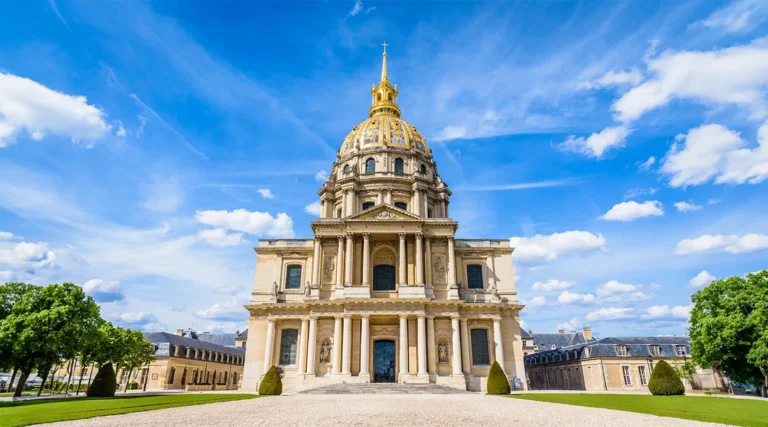
Inaugurated for the 1900 Universal Exhibition, this bridge connects the Hôtel des Invalides to the Champs-Élysées. Its four imposing corner columns, topped by gilded bronze Pegasi, symbolize the historic Franco-Russian alliance of the late nineteenth century.
Period: 19th century
Architecture: Beaux-Arts
Function: road and pedestrian bridge
Best time: sunset or evening
☰ Table of Contents
Pont Alexandre III opening hours
Since it is a public work of the city, access is free and open to anyone at any time of the day.
Opening hours
-
Everyday 00:00-24:00
What to see at the Pont Alexandre III
Be enchanted by an open-air museum where bronze and gold gleam above the water.
The Renommées in gilded bronze
Admire the four monumental statues that stand on the columns.
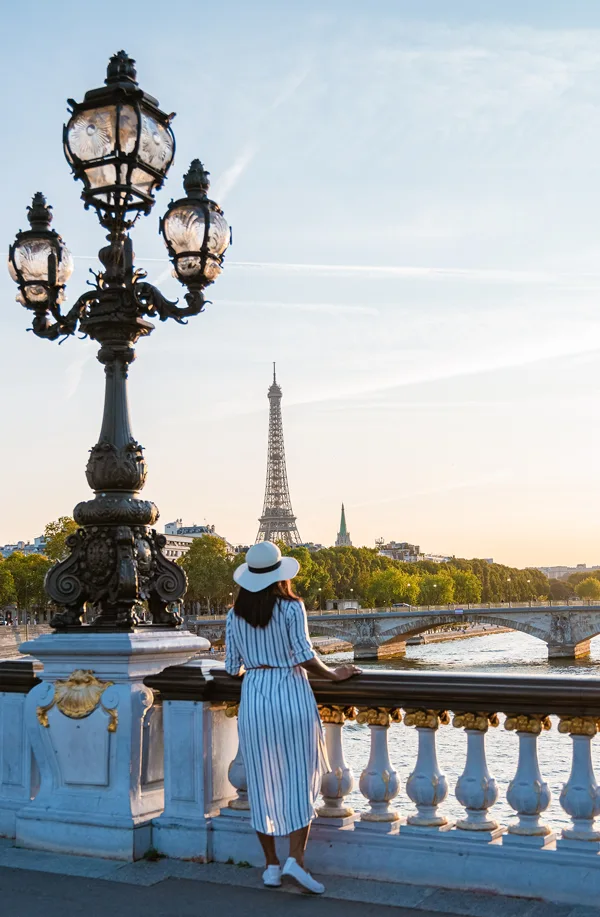
The evocative Art Nouveau street lamps
Notice the series of black candelabras that light the path.
The Nymphs of the Seine and the Neva
Discover the copper reliefs placed in the center of the arches.
The stone sculptural groups
Look at the statues at the base celebrating different French eras.
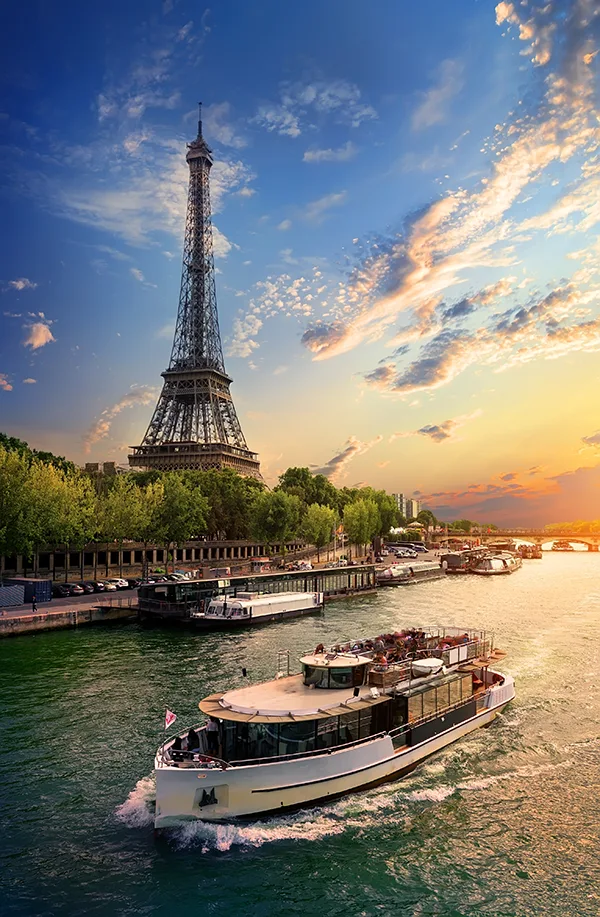
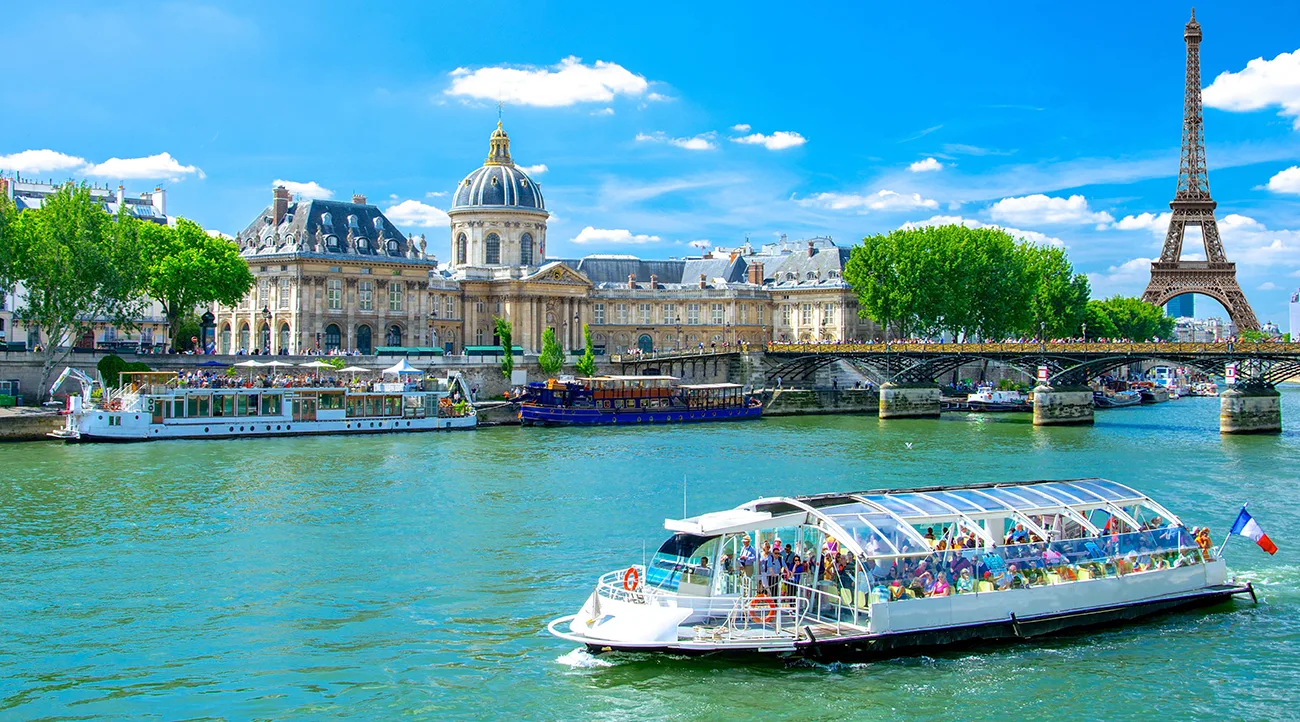
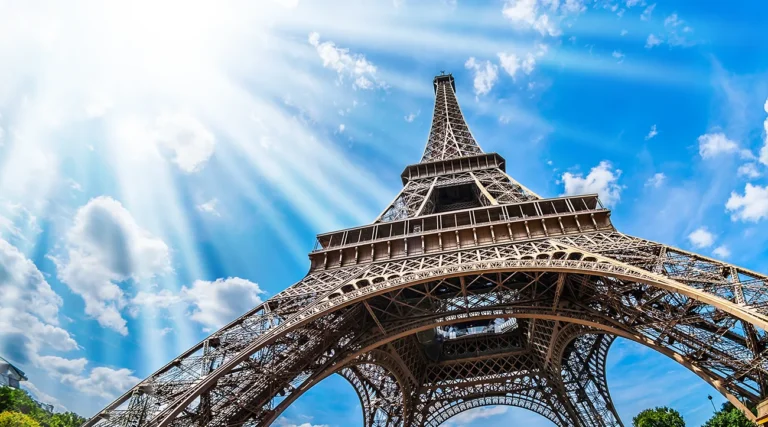
The panoramic view of the Eiffel Tower
Enjoy a unique view of the most famous monument in the world.
The visit to the Pont Alexandre III
Take advantage of these ideas to include this splendid walk in your daily itinerary.
How to visit the Pont Alexandre III
The structure can be crossed on foot starting from either the right or left bank, integrating the walk with a visit to the adjacent museums or a cruise on the Seine.
Need to know
- The structure has been a National Historic Landmark since 1975.
- Pedestrian transit is free at any time of the night.
- The work consists of a single large steel arch.
- The overall width of the roadway reaches forty metres.
Practical advice
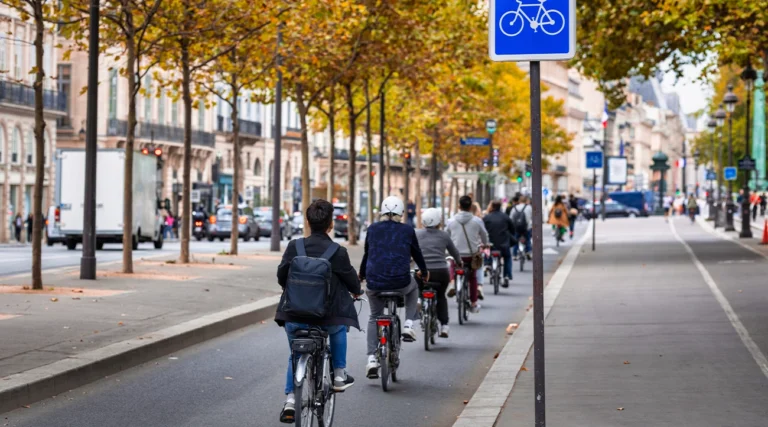
Walk on the outer edges to avoid cycle traffic.
Step down onto the lower platforms to photograph the entire metal arch.
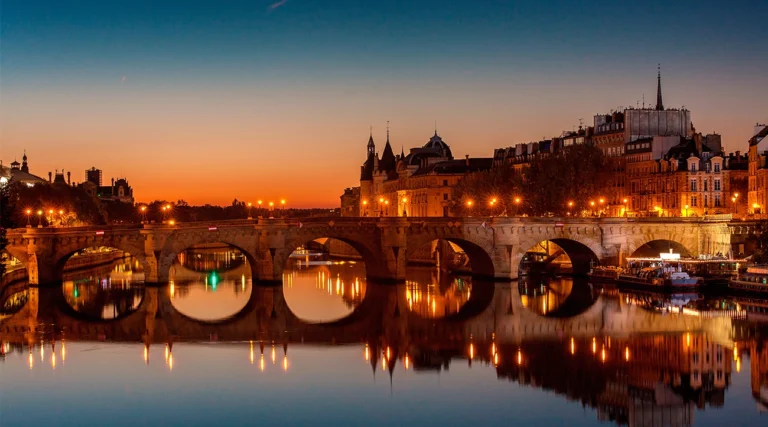
Visit the site in the evening to see the reflected lights.
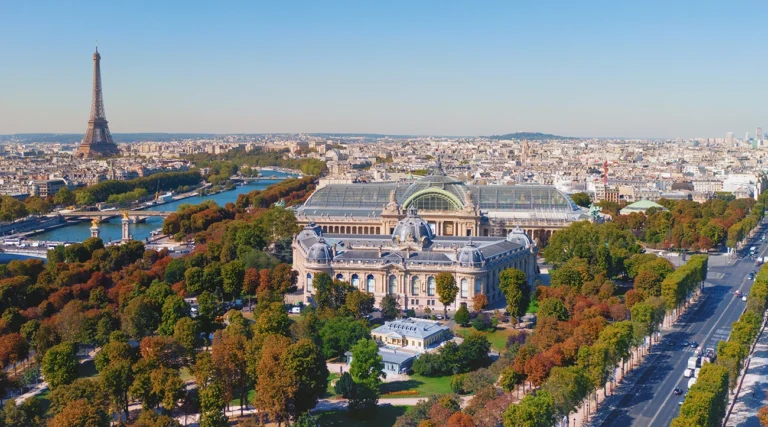
Combine this stop with a discovery of the nearby Grand Palais.
How to get to the Pont Alexandre III
The bridge is located in the heart of Paris, a monumental axis that connects the Champs-Élysées area to the Invalides.
Lines 8 and 13 stop at Invalides station, near the left bank.
Line C stops at Invalides station, just a few steps away.
Lines 63, 72, 83 and 93 stop in the immediate vicinity.
Walk along the Seine from Place de la Concorde in a westerly direction.
Pont Alexandre III, 75008
Official Transport Paris
- Paris Metro Map
- RER tickets and fares
- Taxis in Paris (numbers and alternatives)
History of the Pont Alexandre III
The foundation stone was laid in 1896 by Tsar Nicholas II of Russia, son of Alexander III, after whom the bridge is named. The work was created to seal the diplomatic understanding between the two countries, transforming a political agreement into an eternal monument.
Read moreShow less
Read moreShow less
Engineers Jean Resal and Amédée Alby designed a bold metal structure capable of spanning the river without intermediate pillars. This technical choice served to avoid obstructing river navigation and to preserve the view of the Invalides.
The bridge was inaugurated with great fanfare in 1900, coinciding with the official opening of the Paris Universal Exhibition. The bridge immediately became a symbol of Parisian elegance, celebrated by critics, artists, and citizens for its extraordinary modernity.
During the twentieth century, the structure withstood the city's increasing traffic without undergoing structural changes to its single, low arch. Periodic maintenance has safeguarded the integrity of the original metalwork.
In recent times, extensive restoration work has restored the gilding of the statues and cleaned the limestone surfaces. Today, the site continues to be a favorite backdrop for filmmakers and travelers from all over the world.
Curiosities about the Pont Alexandre III
Behind the pomp of its decorations lie unique engineering and historical details.
- Controlled height: the bridge was designed very low to avoid obscuring the view of the Champs-Élysées and the Invalides.
- River symbols: the central copper decorations represent the nymphs of the Seine on one side and the nymphs of the Russian Neva on the other.
- Movie set: The structure appears in dozens of famous films, from Woody Allen's Midnight in Paris to international action films.
- Cast iron and steel: its construction used cutting-edge casting techniques for the time, guaranteeing maximum elasticity.
Tickets and tours nearby
Find accommodation near the Pont Alexandre III
Frequently Asked Questions
Do you pay to go up on the bridge?
No, the bridge is part of the city's public land and is free. It is therefore part of low-cost Paris.
Can you take photos with a tripod?
Yes, the use of a tripod for personal photos is freely permitted.
Is the bridge accessible to strollers?
Yes, the sidewalks are very wide and barrier-free.
What is the nearest metrostation?
The Invalides metro station metrois most convenient for reaching the Left Bank.
Can you see the Eiffel Tower from the bridge?
Yes, the view of the tower from this point is considered extraordinary.
Are love locks allowed?
No, the municipality periodically removes the padlocks to protect the structure.
Is the bridge lit up all night?
Yes, the historic street lamps remain lit along with the general public lighting.
How long is the bridge?
The total length of the metal structure is approximately 109 meters.