

In short
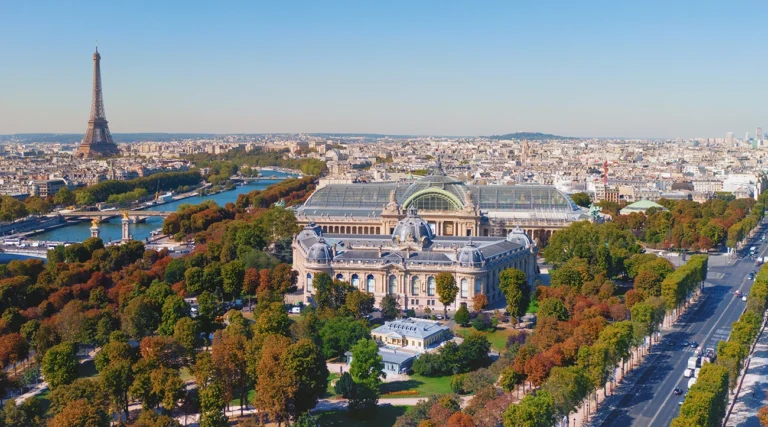
Built alongside the Grand Palais for the 1900 Universal Exhibition, the Petit Palais houses the Musée des Beaux-Arts de la Ville de Paris. Its splendid semi-circular interior garden and rich art collection make it one of the capital's most beloved cultural destinations.
Period: 19th century
Architecture: Beaux-Arts
Function: art museum
Best time: weekday afternoon
☰ Table of Contents
Petit Palais opening hours and prices
Access to the permanent collections is free. Here are the opening times and prices for temporary exhibitions.
Opening hours
-
Tuesday - Sunday 10:00-18:00
-
Last access 45 minutes before
-
Fri - Sat Until 8:00 PM
Valid only for temporary exhibitions
Prices
-
Adults 0-14€
-
Youth (18–25) 0-10€
-
Free entry Free
Minors under 18, disabled people with companion
What to see at the Petit Palais
Walk through bright corridors where masterpieces by French masters await you at every turn.
The Internal Garden
Admire the courtyard with its portico, mosaics and exotic plants.
Impressionist Masterpieces Highly Appreciated
Take a close look at paintings by Monet, Renoir and Cézanne.
The Sculptures of Rodin and Carpeaux
Discover the plastic forms exhibited in the large galleries.
The Large Format Gallery
See the huge historical canvases of 19th century France.
The Eighteenth-Century Collections
Explore the 18th-century furnishings, art objects and paintings.
The visit to the Petit Palais
Learn how to streamline key steps when exploring galleries.
Best moment
Lunch time on weekdays.
Crowding
Content compared to other Parisian museums.
Suitable for children
Yes, for the size and the garden.
What not to miss
The café in the internal semi-circular courtyard.
Type of experience
Relaxing, cultural and visually stunning.
What to expect
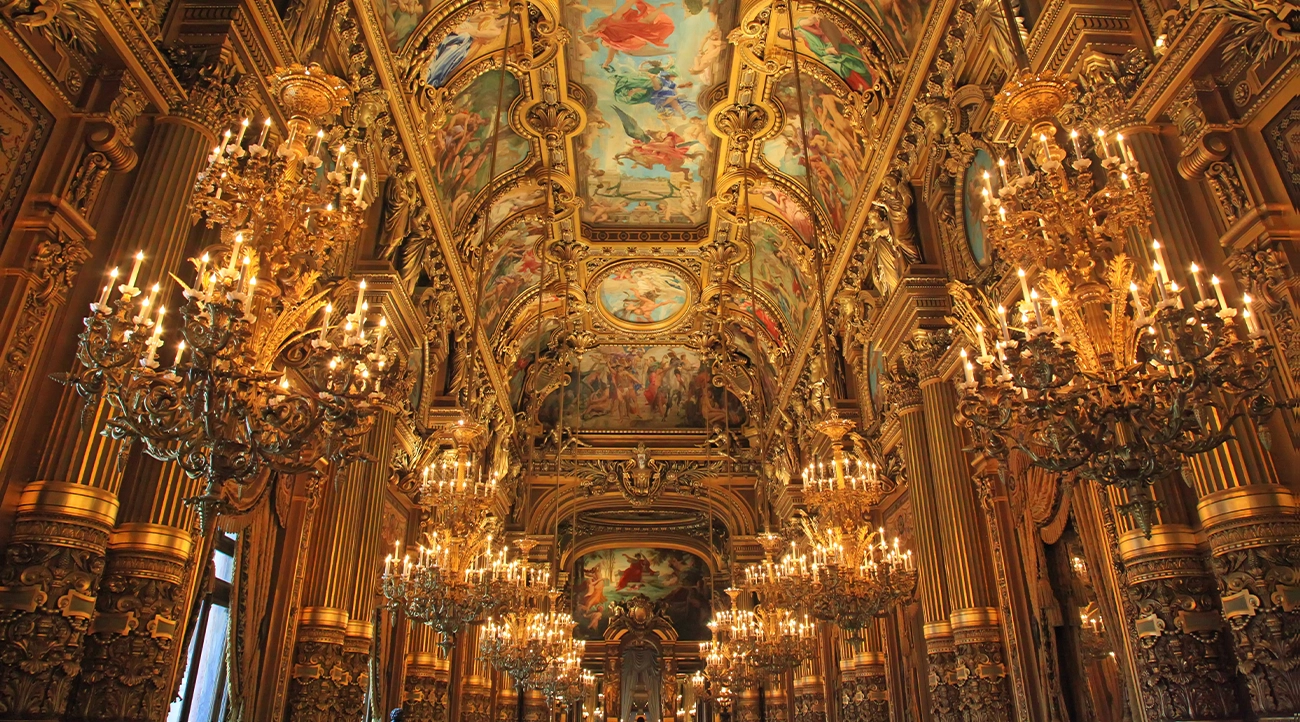
Diffused natural light and very elegant spaces.
How to visit the Petit Palais
Free access allows you to explore the museum with great flexibility, moving freely between the chronological sections.
Need to know
Access to the permanent collections is always free.
Reservations for the permanent collection are not required.
Temporary exhibitions require a paid ticket.
The museum is closed every Monday of the year.
Practical advice
Stop at the bar in the internal garden for a refreshing break.
Start the tour from the basement to follow the chronology.
Admire the entrance ceiling decorated by Albert Besnard.
Avoid peak hours on weekends to find fewer queues.
How to get to the Petit Palais
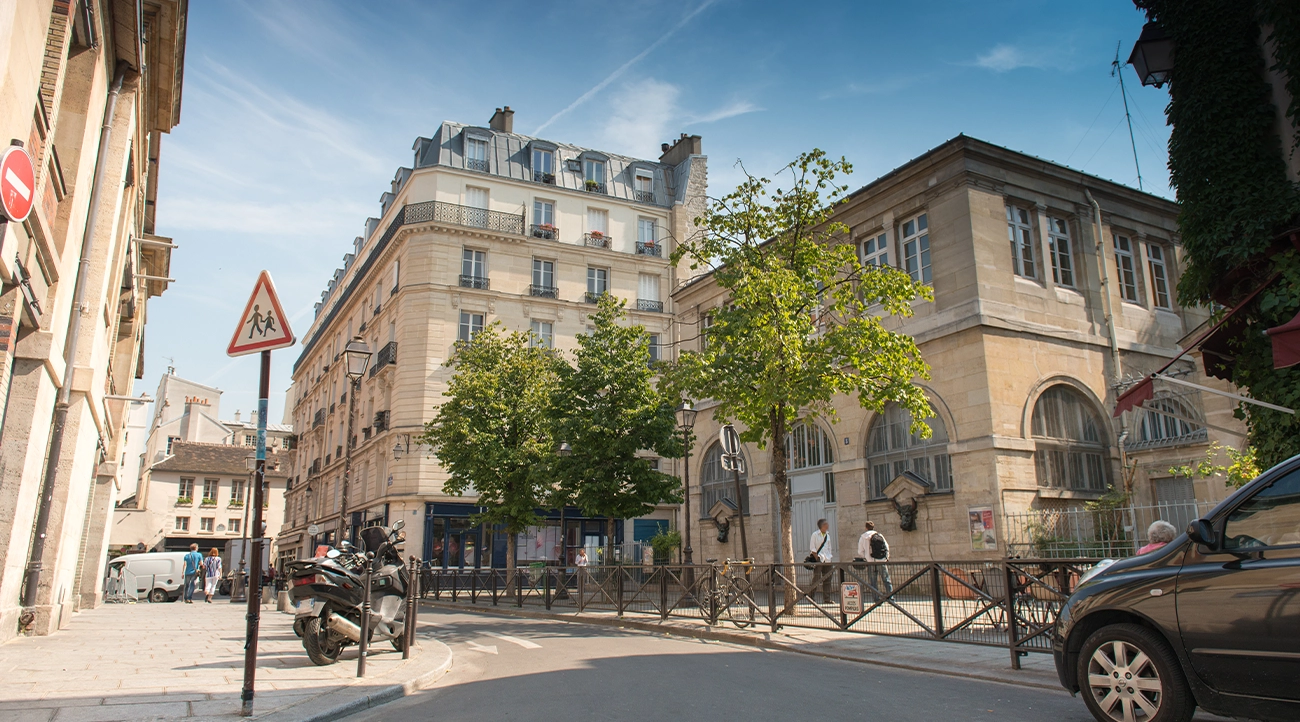
The property is located in a very central position, opposite the Grand Palais and a few steps from the Champs-Élysées.
Lines 1 and 13 stop at the Champs-Élysées - Clemenceau station.
Line C arrives at the nearby Invalides station.
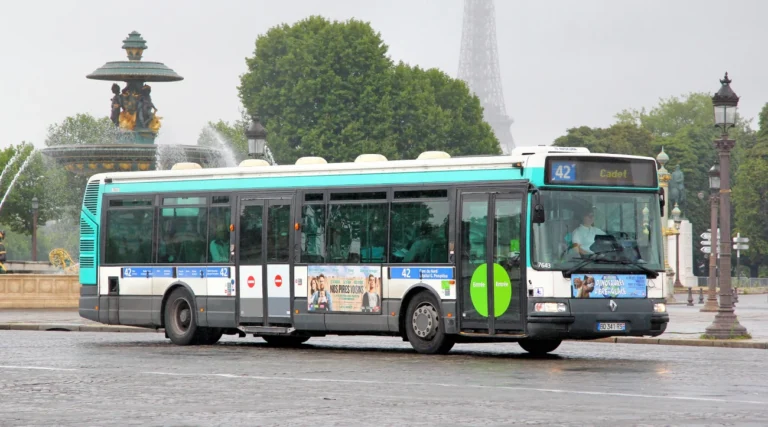
Lines 28, 42, 72, 73 and 83 stop nearby.
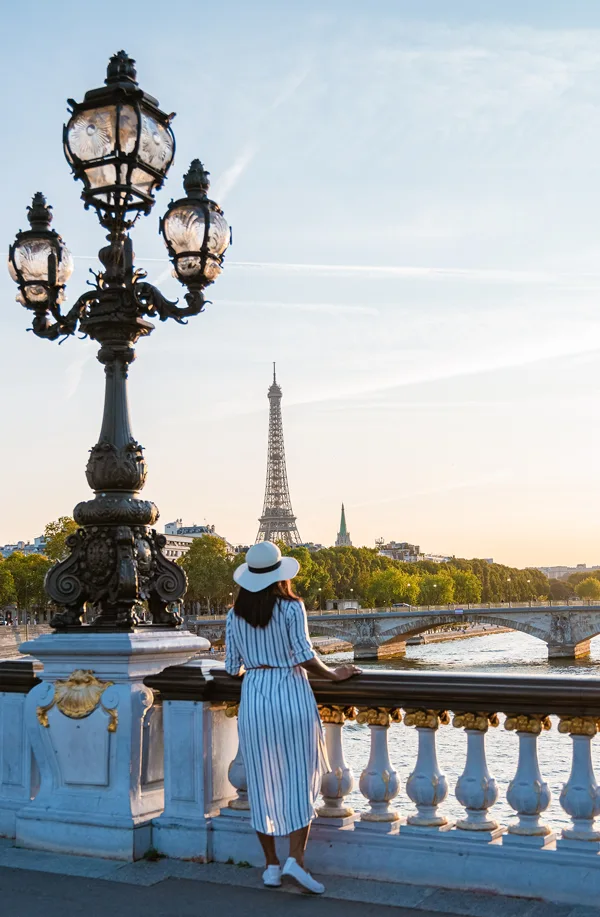
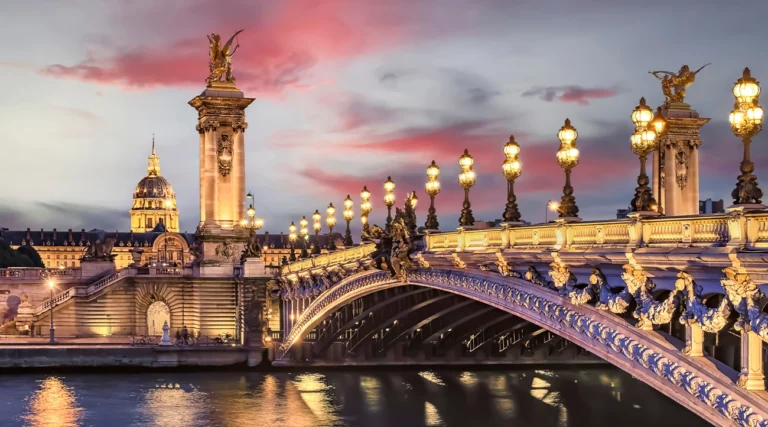
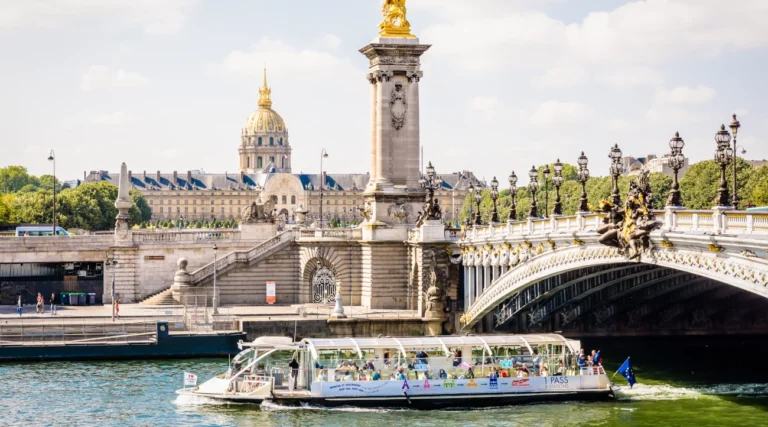
Cross the Alexander III Bridge enjoying the monumental view.
Avenue Winston-Churchill - 75008
Official Transport Paris
- Paris Metro Map
- RER tickets and fares
- Taxis in Paris (numbers and alternatives)
History of the Petit Palais
The building was the brainchild of architect Charles Girault, who won the competition to build it for the 1900 Universal Exhibition. The structure was intended to demonstrate the modernity and elegance of the French Republic through the combined use of stone, iron, and glass.
Read moreShow less
Read moreShow less
In 1902, the palace officially became the Musée des Beaux-Arts de la Ville de Paris, receiving immensely valuable private donations. This allowed the rooms to be rapidly enriched with collections ranging from classical antiquity to the early twentieth century.
Over the past century, the museum has survived conflicts unscathed, preserving its interior decorations, frescoed ceilings, and impressive stained-glass windows. Natural light, a key element of Girault's design, has continued to illuminate the artworks.
Between 2000 and 2005, the Petit Palais underwent a radical renovation that revamped its exhibition spaces and interior garden. This restoration created new areas for temporary exhibitions without altering the original spirit.
Today, the museum represents a model of cultural accessibility in the heart of Paris, attracting a diverse audience thanks to its free admission. The combination of monumental architecture and valuable collections makes it an essential stop for anyone exploring the city.
Curiosities about the Petit Palais
Fascinating anecdotes lie behind the details of this architectural masterpiece.
Golden Gate: The main entrance is famous for its monumental gilded wrought iron gate.
Hidden mosaics: the portico of the internal garden hosts splendid mosaic floors created by Italian masters.
Different twin: Charles Girault, after the success of the Petit Palais, was chosen as coordinator for the works of the Grand Palais.
Parisian echo: the semicircular plan of the internal courtyard is inspired by the structure of old Parisian villas.
Tickets and tours nearby
Find accommodation near the Petit Palais
Frequently Asked Questions
Do you need a ticket to enter?
No, admission to the permanent collections is free.
Are temporary exhibitions free?
No, those sections require a specific paid ticket. The rest is free, as are many of the things we've listed in Paris Low Cost.
Is the museum open on Mondays?
No, Monday is the weekly closing day.
Can you eat inside?
Yes, there is a café-restaurant located in the internal garden.
How long does the visit last?
On average, it takes about two hours to fully visit. Since it's a secondary attraction, we recommend only including it in your itinerary if you're staying in Paris for at least three days.
Is it wheelchair accessible?
Yes, the property has dedicated ramps and elevators.
Can I take pictures?
Yes, it is permitted to photograph the works without the use of flash.
Is there a free cloakroom?
Yes, you can store jackets and small backpacks in the lockers.