

In short
Bastille is one of Paris's liveliest neighborhoods, famous for its revolutionary history, numerous bistros, nightclubs, and the modern Opéra Bastille. By day, it offers markets, shops, and lively squares, while by night it becomes one of Paris's main nightlife hotspots.
- symbol of the French Revolution.
- opera house with futuristic architecture.
- A hub for nightlife and informal dining.
- Access point to suggestive river and pedestrian routes.
☰ Table of Contents
What to know before visiting the Bastille district
The neighborhood is a major traffic hub and a popular meeting place for generations, especially in the late afternoon and on weekends. Navigating the major radial arteries is easy, while the internal alleys offer a more intimate, pedestrian-only atmosphere.
The strong points
- Great wealth of clubs, bars and small bistros.
- City markets considered among the best in the capital.
- Vibrant and less formal atmosphere than the center.
- Excellent connections to the rest of the metronetwork.
To keep in mind
- Considerable chaos and noise in the streets of the nightlife.
- The original medieval fortress is no longer visible.
- The main square is often the site of demonstrations and parades.
- Some alleys can get very crowded in the evening.
What to see in the Bastille district
The urban fabric develops around the famous circular square, branching out towards historic artisan streets and lively neighborhood markets.
Place de la Bastille
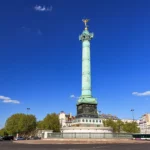
The vast historic square, the heart of the neighborhood, dominated in the center by the monumental July Column.
Opéra Bastille Watch a show there
The imposing modern opera house opened in 1989, famous for its glass facade and its technological stages.
Port de l'Arsenal
The charming riverside marina that connects the Seine to the Canal Saint-Martin, enclosed by tree-lined docks.
Aligre Market
One of the oldest, most authentic and colorful markets in Paris, perfect for discovering local gastronomy at affordable prices.
Rue de Lappe
The historic street of old wood craftsmen, today the epicenter of the neighborhood's nightlife and clubs.
Coulée Verte René-Dumont
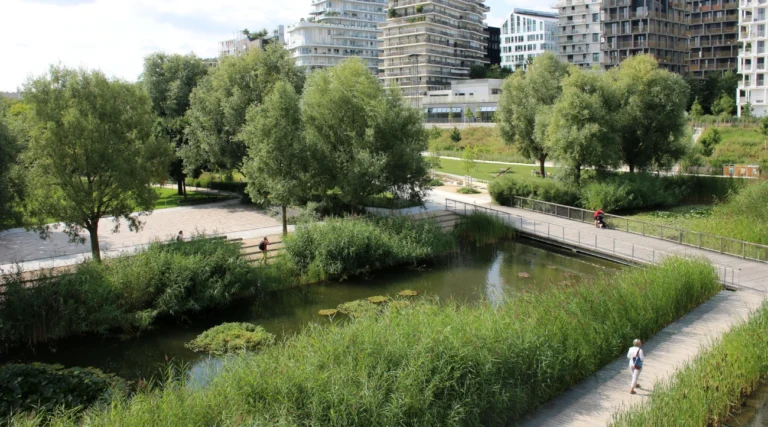
A wonderful elevated linear park, built on the tracks of an old disused nineteenth-century railway.
Cour Damoye
A charming cobbled pedestrian alley hidden behind the square, filled with plants, art galleries, and coffee roasting workshops.
Bassin de l'Arsenal and its gardens
The green area along the canal is ideal for a relaxing break away from the city traffic at the roundabout.
Visiting the Bastille district
Exploring the district beautifully combines the memory of historical events with the pleasure of gastronomic discovery and outdoor life.
Best moment
Morning for the markets, evening for the clubs.
Crowding
Medium during the day, very high at night.
Suitable for children
Yes, for walks on the Coulée Verte.
What not to miss
The atmosphere of the Cour Damoye.
Type of experience
Historic, popular, gastronomic and social.
What to expect
Lively streets, urban canals and friendly clubs.
Experiences to do in the Bastille district
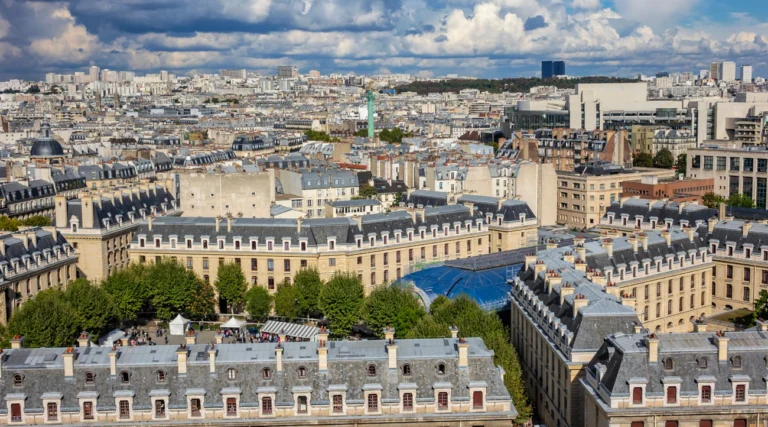
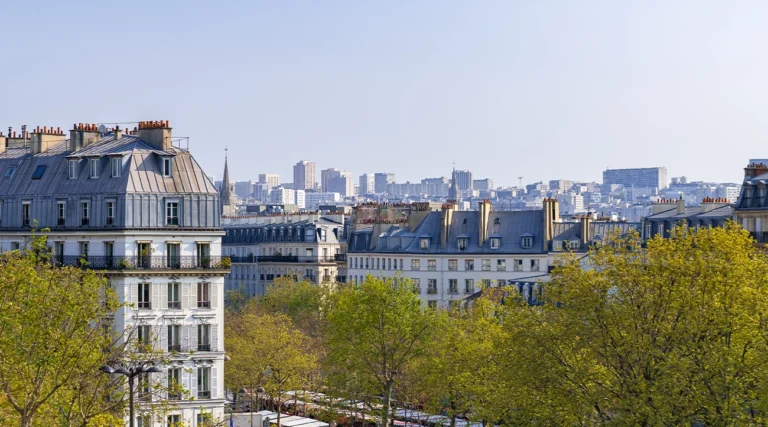
Stroll among the fruit and cheese stalls of the historic Aligre market before walking along the flower-lined Coulée Verte path, admiring the neighborhood's rooftops from above. Many historical walks and tours.
Need to know
- The famous fortress of the Bastille was demolished stone by stone soon after its capture.
- The stones from the prison were partly reused to build the Pont de la Concorde.
- The column in the centre of the square does not celebrate the revolution of 1789, but that of 1830.
- The Opéra Bastille was commissioned by President Mitterrand to make opera accessible to the people.
Practical advice
- Look for the dark markings on the pavement of the square to locate themetro of the old fortress.
- Visit the Aligre market from Tuesday to Sunday morning to avoid closing days.
- Find the hidden access to the Coulée Verte near Avenue Daumesnil.
- Check the menus in the side streets to find the best prices in the neighborhood.
How to get to the Bastille district
Its strategic location between three different arrondissements makes the district an easily accessible landing point from every direction of the city.
Lines 1, 5 and 8 stop at Bastille to find yourself directly in the centre of the monumental square.
Lines 29, 69, 76, 86, 87 and 91 regularly serve all the main roads in the area.
Reachable with a pleasant flat walk starting from Place des Vosges and crossing the Marais district.
The wide cycle paths that run alongside the canal connect the area with the Villette basin.
Central point: 90-98 Av. Ledru Rollin
Official Transport Paris
- Paris Metro Map
- RER tickets and fares
- Taxis in Paris (numbers and alternatives)
History of the Bastille district
The neighborhood's importance in the global collective imagination is inextricably linked to the monumental military fortress built in the fourteenth century to protect the eastern borders of Paris. Over the decades, the structure lost its purely defensive function and, under the reign of Louis XIV, was transformed into a notorious state prison, a symbol of royal absolutism and the political oppression of the Bourbon monarchy. Famous intellectuals and thinkers who dared to challenge the king's authority were imprisoned within.
Read moreShow less
Read moreShow less
July 14, 1789, became the date that forever changed the fate of the neighborhood and the entire world. An enraged mob of Parisian citizens stormed the fortress to seize its ammunition and gunpowder, sparking the French Revolution. The demolition of the building began that same evening, led by a building contractor who transformed the stones into veritable patriotic souvenirs distributed throughout the nation's provinces. The empty space left by the walls became a large public esplanade intended for popular celebrations.
Throughout the 19th century, the area retained its strong working-class and artisanal character, becoming the hub of the successive 19th-century uprisings of 1830 and 1848. To honor the citizens who fell during these struggles for freedom, the majestic July Column, surmounted by the gilded bronze Genius of Liberty, was erected. One hundred years later, in 1989, the face of the square was redefined with the inauguration of the new Opera, a massive urban development that integrated the district's popular spirit with the great architecture of contemporary modernity.
Curiosities about the Bastille district
The sidewalks and canals of this dynamic neighborhood hide ghost stations, underground remains and anecdotes linked to major urban transformations.
- The remains in metrothe metroinside the platform of line 5 you can see some original stones from the foundations of the fortress.
- Napoleon's elephant: the emperor planned to place a gigantic bronze elephant-shaped fountain on the square, but it remained at the plaster model stage.
- The Ball of July 14th: the Parisian tradition of open-air popular dances was born right on the smoking ruins of the prison in 1790.
- The Green Railway: The Coulée Verte was the first elevated railway in the world to be completely converted into an urban public park.
- The hidden guillotine: For a short time during the Revolution, the guillotine was moved and installed right on the perimetermetro the square.
- The cabinetmakers' courtyards: the numerous covered internal passages of the neighborhood were created to allow the wood craftsmen to work sheltered from the rain.
What to book in and around the Bastille district
Where to sleep in the Bastille district
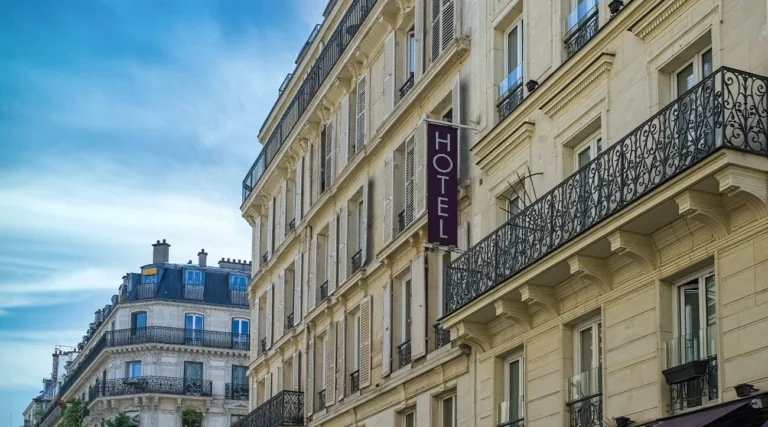
Being slightly out of the way from the main attractions, sleeping in Bastille can help your wallet.
Where to eat in the Bastille district
Bofinger
Considered one of the most beautiful brasseries in Paris, famous for its splendid Belle Époque interior, stained glass windows and excellent seafood dishes.
5-7 Rue de la BastilleCafé Industrie
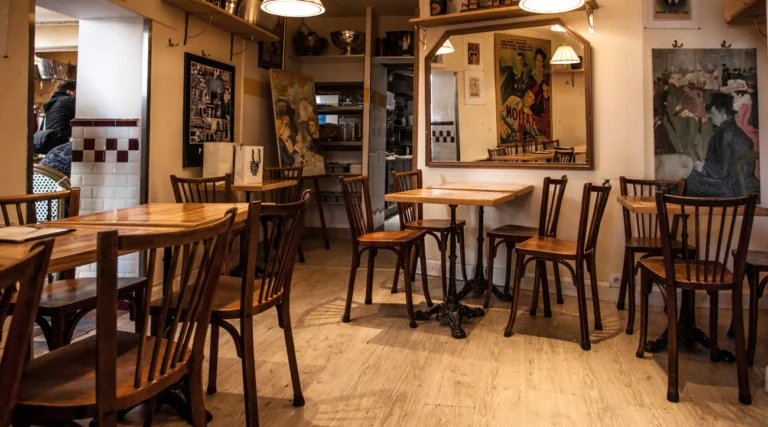
A welcoming and informal bistro with a retro atmosphere, much loved by locals for its tasty and affordable traditional French cuisine.
16 Rue Saint-SabinThe Red Baron
A historic and lively wine bar located near the market, famous for its barrels of wine, charcuterie boards, and fresh oysters served on weekends.
1 Rue Théophile RousselFrequently Asked Questions
What remains to see of the old Bastille fortress?
Nothing on the surface, but the dark lines drawn on the street pavement of the square indicate the exact positioning of the old medieval towers.
Can you visit the inside of the Opéra Bastille?
Yes, the institution periodically organizes guided tours of the theater's stage spaces, backstage areas, and large tailoring workshops.
Is the Aligre market open every day of the week?
No, the historic local market remains closed on Mondays, while from Tuesday to Sunday it enlivens the streets with indoor and outdoor stalls.
How do you access the Coulée Verte elevated walkway?
The main staircase is located at the beginning of Avenue Daumesnil, a few minutes' walk from the back of the opera house.
Is the area recommended for going out to dinner in the evening?
Absolutely, the neighborhood is one of Paris's dining hubs and offers an incredible selection of venues, from traditional bistros to ethnic cuisines.
Which metrolines connect the main square?
Bastille station is a key hub served directly by lines 1, 5, and 8 of the city's transport network.
Is Arsenal Harbour navigable by tourist boats?
Yes, the basin hosts private boats and is the departure or transit point for tourist boats that travel up the inner canals of Paris.
Is the neighborhood suitable for an afternoon walk with children?
Yes, the Arsenal Port Gardens area and the Coulée Verte pedestrian path are completely car-free and perfect for families.