

In short
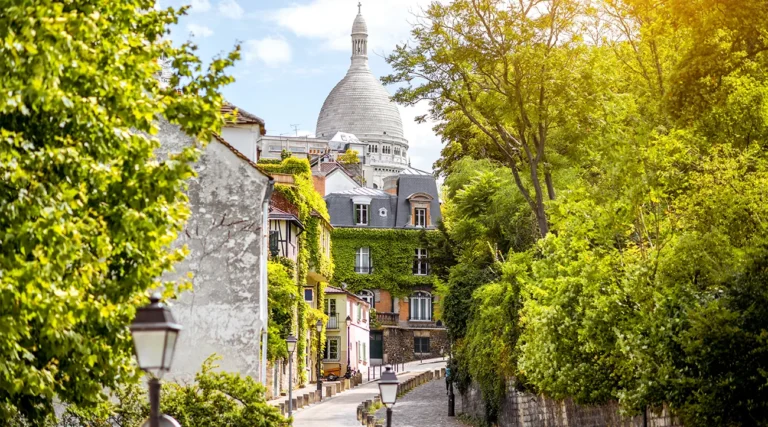
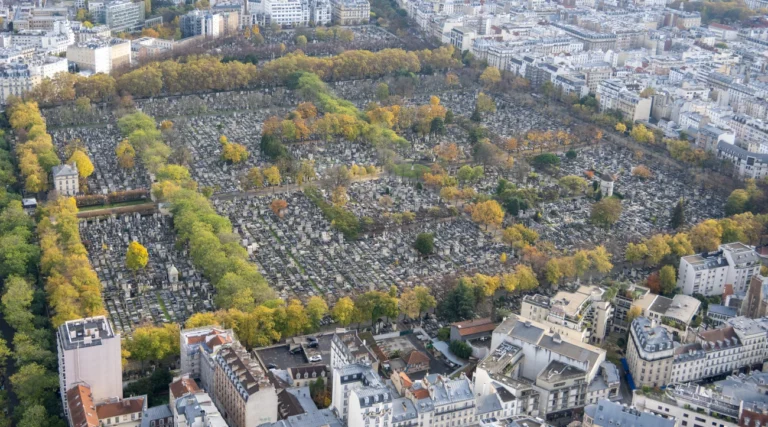
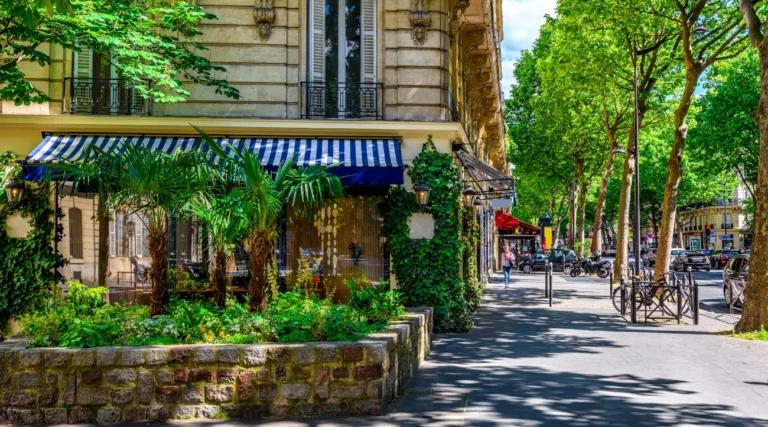
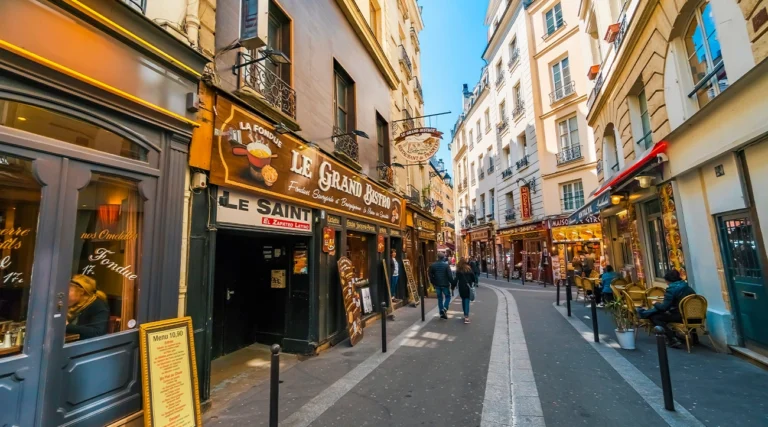
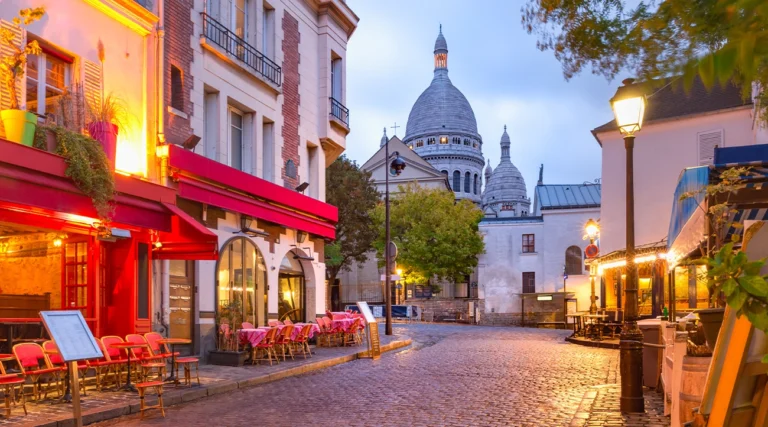
A secluded and welcoming corner of the city, it jealously preserves its identity as an ancient rural community, isolated from the bustle of the metro. Far from the traditional tourist routes, the district today attracts those seeking the tranquility of green walks, the culture of good food, and the retro charm of its old-world piazzas.
- Identity of a small autonomous village still intact.
- Cutting-edge ecological urban planning model in parks.
- Epicenter of organic and artisanal gastronomy.
- Historic refuge of impressionist painters and poets.
☰ Table of Contents
What to know before visiting the Batignolles district
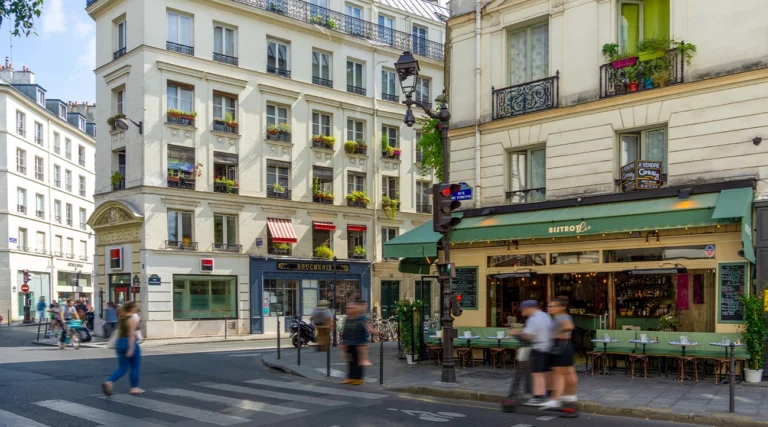
The area is pleasantly walkable thanks to a network of flat residential streets and limited-traffic zones. Here, the daily rhythm follows the seasons and school schedules, offering a candid snapshot of bourgeois Parisian life.
The strong points
- Relaxed and safe atmosphere.
- Wonderful, well-kept green spaces.
- Unique furniture boutiques.
- Authentic cuisine without tourist prices.
To keep in mind
- Total absence of large museums.
- Position slightly off-centre from the centre.
- Shops are often closed on Mondays.
- Few attractions open at night.
What to see in the Batignolles district
The urban design unfolds around the main church and its historic English garden, expanding towards the new eco-sustainable areas.
Square des Batignolles Splendid
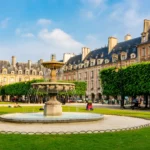
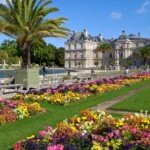
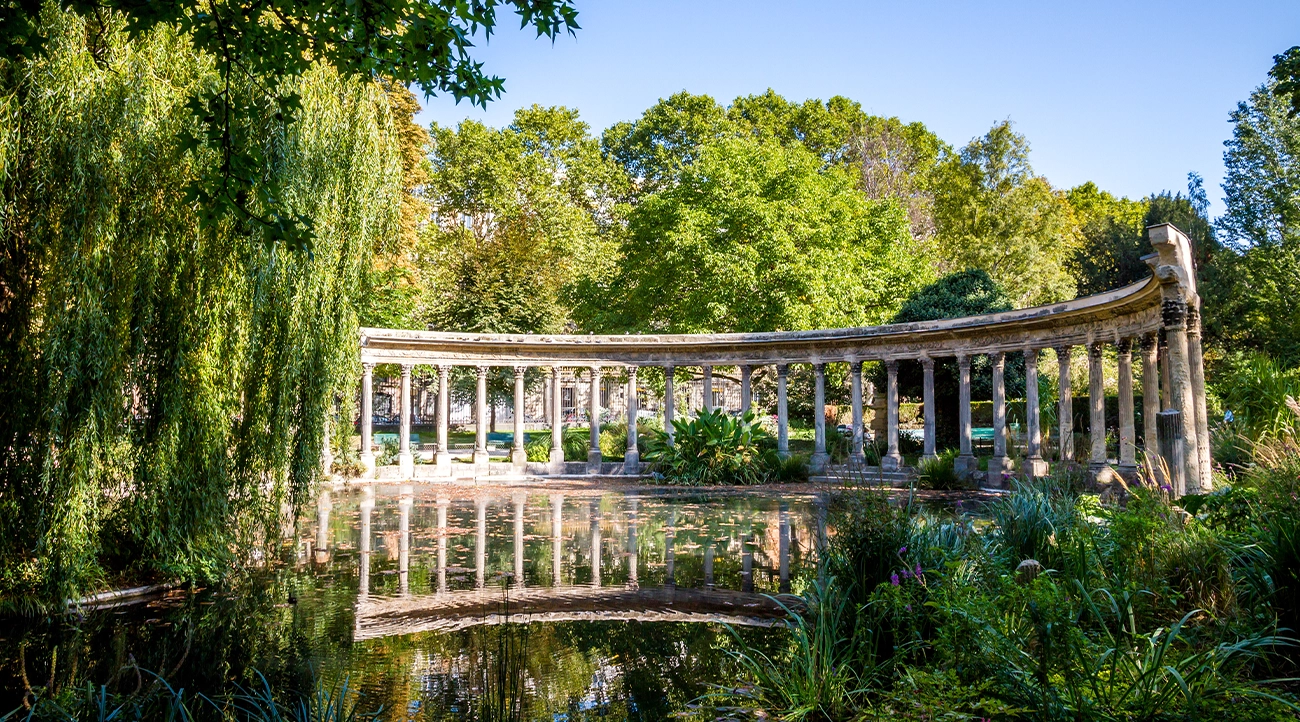
An enchanting 19th-century garden with a pond, an artificial waterfall, stone grottoes, and centuries-old exotic trees.
Église Sainte-Marie des Batignolles
The sober neighborhood church overlooking the main square, evoking the classic structure of a country parish.
Martin Luther King Park
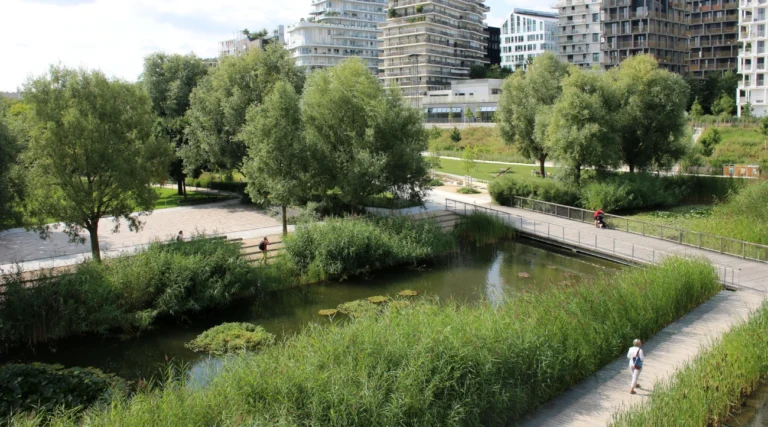
A huge, modern, eco-friendly green space featuring ponds, shared gardens, and skateboard parks.
Rue Nollet
A long, charming street dotted with small restoration workshops, neighborhood bookshops, and independent bars.
Marché Couvert des Batignolles
The historic covered market where residents shop for regional French specialties, rare cheeses, and high-quality meats.
Rue des Dames
A picturesque pedestrian street famous for its outdoor seating, plant shops, and convivial atmosphere.
Cité Lemercier
A tiny, quiet private cul-de-sac, framed by colorful houses and charming flower-decked doorways.
Place Charles Fillion
The spacious square behind the church is a meeting point for neighborhood children and pétanque players.
The visit to the Batignolles district
Walking in this area means slowing down, observing residents reading on the iron benches or choosing fresh produce for dinner.
Best moment
Walking in this area means slowing down, observing residents reading on the iron benches or choosing fresh produce for dinner.
Crowding
Very low during the week, lively at the weekend.
Suitable for children
Excellent, due to the presence of fenced playgrounds.
What not to miss
The swans in the historic 19th-century square.
Type of experience
Authentic, relaxing, bucolic and gastronomic.
What to expect
Clean streets, well-kept parks, and independent shops.
Things to do in the Batignolles neighborhood
Buy artisanal pastries on Rue Nollet and enjoy them in the shade of the square's centuries-old plane trees, listening to the sound of the waterfall. A bike tour can also give you a different perspective on the neighborhood.
Need to know
- The neighborhood was an independent municipality until it was annexed by the city in 1860.
- The painter Édouard Manet founded the famous “Batignolles Group” here with the Impressionists.
- The poet Paul Verlaine spent his youth and studied in the schools of these streets.
- The nearby railway tracks inspired famous paintings by Claude Monet.
Practical advice
- Look for the Saturday morning organic market along Boulevard de Batignolles.
- Choose the benches near the square's stream for a quiet read.
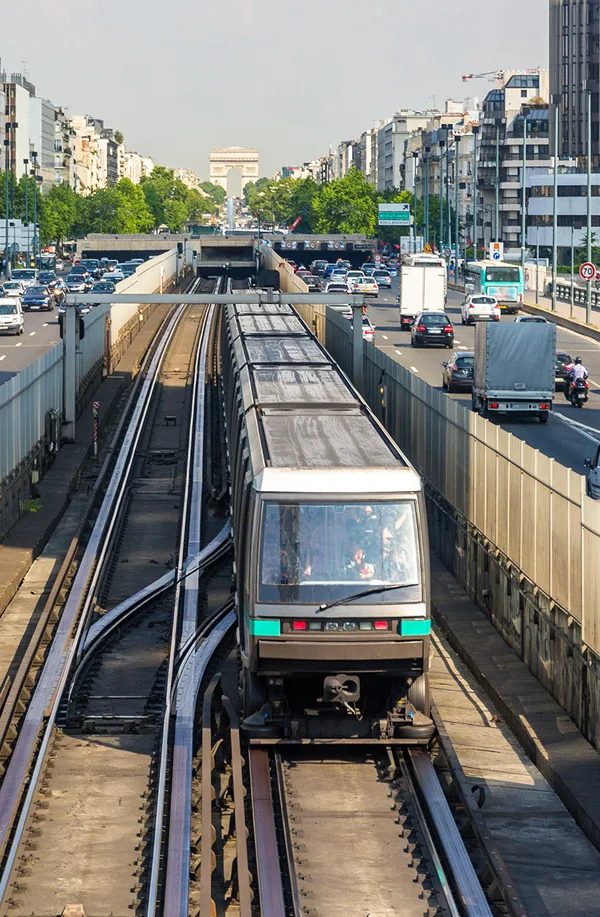
- Use the new automatic metroline to quickly get to the city center.
- Stroll along Rue des Dames in the late afternoon for an authentic aperitif.
How to get to the Batignolles district
The northern area is served by excellent rail and metroconnections that bypass the old railway trenches.
Brochant station (line 13) for the heart of the old town; Pont Cardinet (line 14) for the modern park.
Lines 28, 31, 54, 66, 94 cross the district's border avenues in detail.
The Pont Cardinet train station connects the neighborhood directly to the Saint-Lazare station in two minutes.
Bike-sharing stations surround themetro of Martin Luther King Park.
Central point: 144 Rue Cardinet
Official Transport Paris
- Paris Metro Map
- RER tickets and fares
- Taxis in Paris (numbers and alternatives)
History of the Batignolles neighborhood
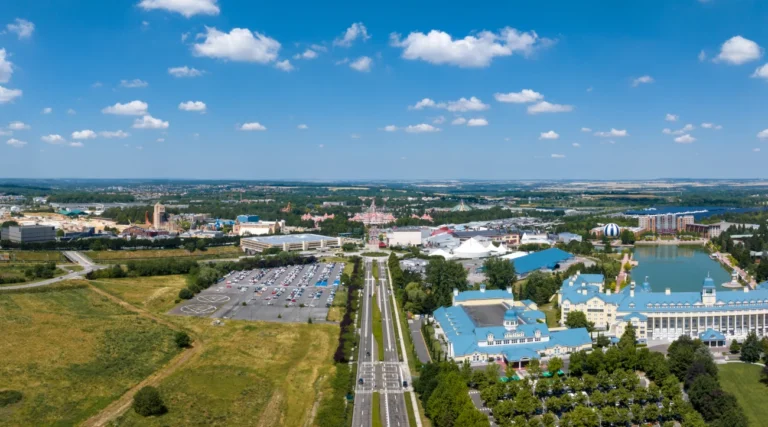
The first historical traces of the Batignolles area describe a vast expanse of agricultural fields, vineyards, and royal hunting reserves located outside the protective walls of Paris. The name of the area itself is thought to derive from ancient dialect words related to the small farm huts that dotted the wheat fields. Until the early 19th century, the area was inhabited only by a few families of winemakers and forest rangers, enjoying complete isolation from the life of the capital.
Read moreShow less
Read moreShow less
The radical turning point came in 1830, when the territory was separated from Clichy to establish the new autonomous commune of Batignolles-Monceau. The construction of the first French railway line in 1837 forever changed the geography of the village, attracting a new population of office workers, artisans, and railway workers. The true urban revolution was led by enlightened builders who laid out geometric streets and elegant stone buildings, designed for the middle class fleeing the unhealthy center of the metro.
In 1860, Napoleon III decreed the commune's official annexation to the borders of Paris. Despite its integration, the neighborhood retained an independent and artistic spirit: affordable rents attracted young painters of the Impressionist school, who gathered in the local cafés to discuss light and painting in the open air. Throughout the twentieth century, the district retained its residential and protected character, becoming in recent years a laboratory for ecological regeneration thanks to the creation of the large contemporary park.
Curiosities about the Batignolles district
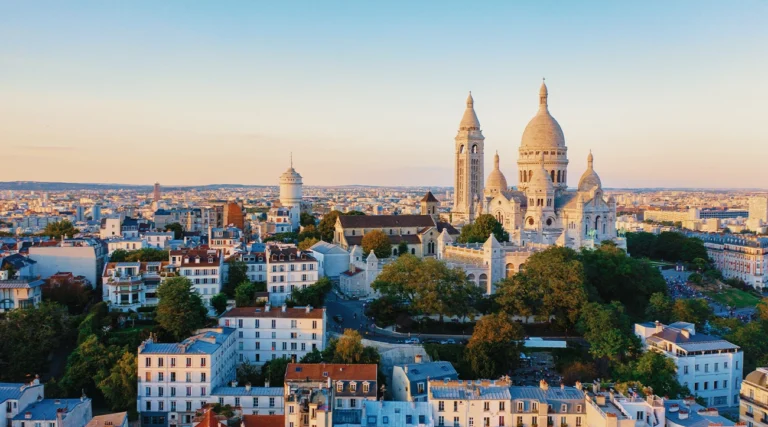
The historic gardens and streets of this village conceal monumental trees, literary stories, and environmental conservation records.
- The green giants: the square hosts a monumental plane tree planted in 1840, with a trunk ofmetro .
- Barbara's refuge: the famous French singer-songwriter lived in the neighborhood and dedicated poetic verses to the streets of the area.
- Water harvesting: The modern park uses a cutting-edge system that entirely recycles rainwater for the plants.
- The missing bridge: the old iron railway footbridge was designed by Gustave Eiffel's engineering studios.
- The poets' nest: writers of the calibre of Stéphane Mallarmé met in the cafés on the main square.
- The fauna of the pond: the historic pond of the square is home to a large colony of ducks and freshwater turtles.
What to book in the Batignolles district
Where to stay in the Batignolles neighborhood
Being a peripheral area, in these parts you can find many perfect accommodations for those who want to sleep in Paris without spending a lot.
Where to eat in the Batignolles neighborhood
The Corettas
A modern restaurant located on the edge of the contemporary park, famous for its large, bright windows and the chef's creative cuisine.
151 Rue CardinetMom First
A lively Italian trattoria with meticulously curated floral decor, beloved by locals for its fresh pasta dishes and excellent wood-fired pizzas.
71 Rue des DamesScoop Me a Cookie
A renowned artisanal pastry shop specializing in warm biscuits made with fine chocolate and select organic ingredients.
38 Rue Henry MonnierFrequently Asked Questions
Does the Square des Batignolles close at night?
Yes, as it is a historic walled garden, opening hours vary according to the seasons and the gates are closed at sunset.
Are there any large international chain stores in the neighborhood?
No, the area is famous for the absence of large commercial brands, replaced by independent boutiques, small antique dealers and drugstores.
Is the Saturday morning organic market affordable?
Agricultural products from certified organic farms have slightly higher than average costs, but the quality of the goods is exceptional.
Is Martin Luther King Park suitable for running?
Absolutely, the immense contemporary green space features wide, flat paths suitable for running and outdoor sports.
What is the fastest metroline to reach the neighborhood?
Line 14 is the fastest and stops directly at Pont Cardinet station, connecting the area to the city centre in just a few minutes.
Are there any historical attractions linked to the Impressionist painters?
There are no dedicated museums, but walking through the streets of the neighborhood you can recognize the urban views painted by Manet and his colleagues.
Is the covered market open every day of the week?
No, the Marché Couvert is closed on Mondays, but from Tuesday to Sunday it welcomes customers with its fresh food stalls.
Is the neighborhood recommended for family stays?
Yes, the Batignolles area is considered one of the safest, quietest, cleanest, and most welcoming residential areas in the entire north bank of the city; perfect for sleeping in Paris with children.