

Pigalle

Beneath the scarlet neon lights of old cabarets and the white shadow of Montmartre lies a district that has shed its skin, transforming old haunted haunts into trendy workshops.

In short

Table of Contents

What to know before visiting the Pigalle neighborhood

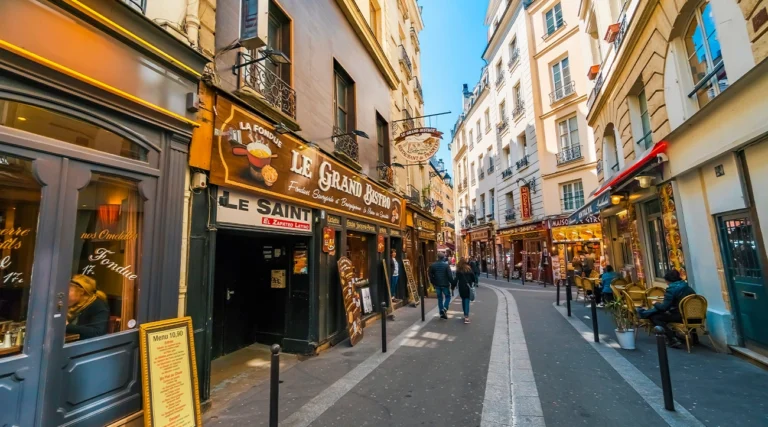
The area extends along a large, flat road and then climbs toward the first foothills of the hill. The visual impact changes radically between daytime (when guitar shops and local markets dominate) and nighttime, when the bars and clubs come alive.

The strong points

  • Overwhelming night energy.
  • Fascinating Art Nouveau architecture.
  • Perfect location for Montmartre.
  • Restaurants open late.

To keep in mind

  • Persistent presence of sex shops.
  • Lots of tourist-catching places.
  • Crowded sidewalks on weekends.
  • Avoid dark, isolated alleys.

What to see in the Pigalle district

The heart of the action centers along the Boulevard de Clichy, then slides south into the grid of streets that form the modern sub-neighborhood of South Pigalle (SoPi).

1

Moulin Rouge Not to be missed

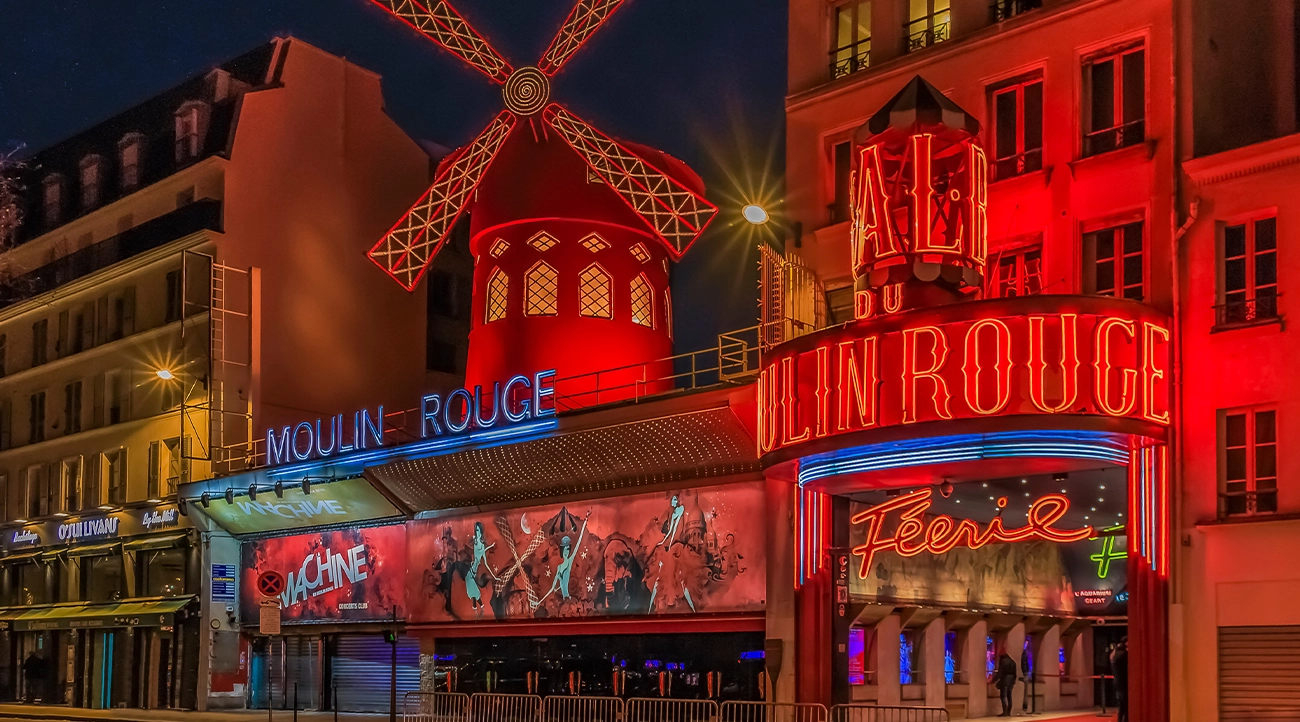
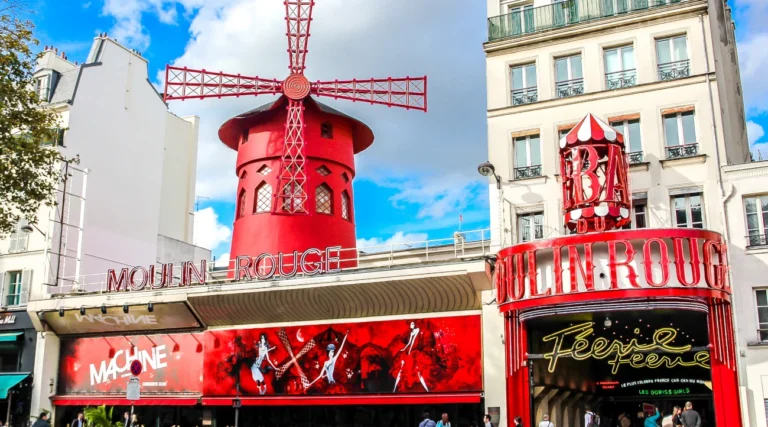
The most iconic red mill on the planet, temple of the can-can and undisputed symbol of the Belle Époque, stands tall on Place Blanche.

2

Place Pigalle

The circular square that gives the area its name, once home to the market for art models sought by Impressionist painters.

3

Rue de Douai

A musicians' paradise, a street entirely occupied by historic shop windows selling rare guitars, basses, and sheet music.

4

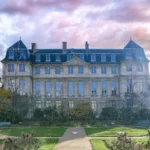
Museum of Romantic Life

A green jewel hidden at the end of a private alley, the former home of the painter Ary Scheffer, frequented by Chopin and George Sand.

5

Villa Frochot

A private alley barred by a gate that houses splendid artists' homes and unexpected stained-glass windows signed by Toulouse-Lautrec.

6

Rue des Martyrs

The area's quintessential gastronomic street, an endless descent of artisanal pastry shops, cheese stalls, and grocery stores.

7

The Trianon Historical Detail

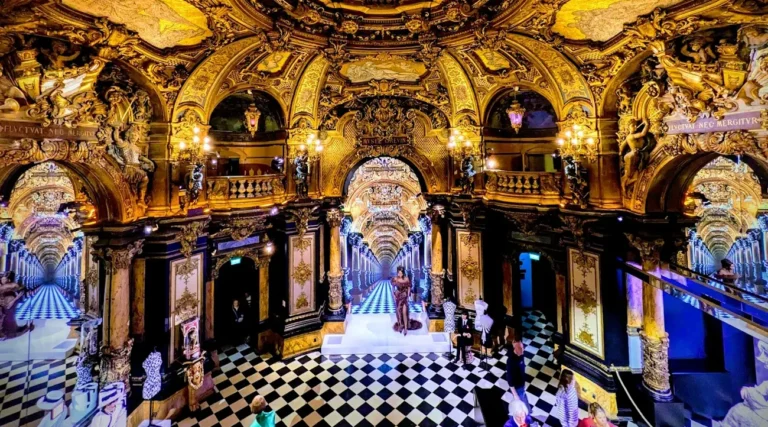
A splendid period theatre converted into a concert hall, which retains intact the decorative splendors of the late nineteenth century.

8

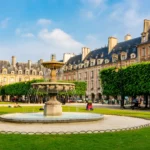
Place Saint-Georges

An elegant 19th-century square adorned with fountains and monumental buildings, the elegant residential heart of the lower part.

A visit to the Pigalle district

An experience in this district requires abandoning prejudices and letting yourself be guided by contrasts, discovering how gentrification has integrated old shops with design venues.

Things to do in the Pigalle neighborhood

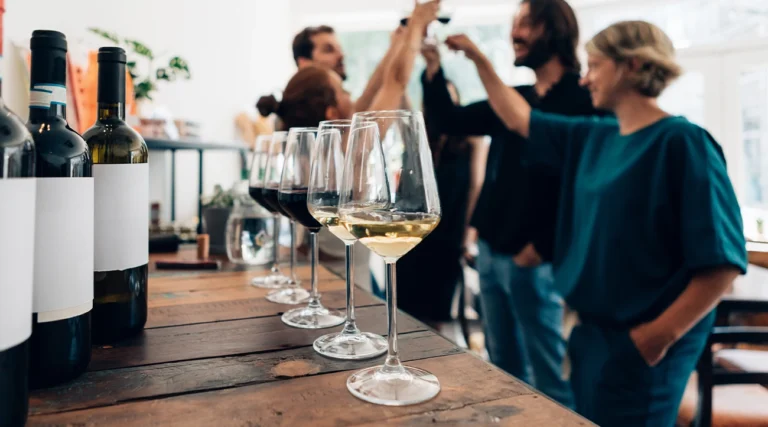
Photograph the illuminated blades of the Moulin Rouge spinning in the night before retreating to the alleys of South Pigalle to find a small bistro where you can sample organic French wines. Catch a show at the Moulin Rouge or one of the many other theaters in the area.

Powered by GetYourGuide

Need to know

  • The neighborhood takes its name from Jean-Baptiste Pigalle, a famous eighteenth-century sculptor.
  • During World War II, Allied soldiers nicknamed the area “Pig Alley” because of its nightlife.
  • The painter Toulouse-Lautrec lived here and painted his pictures directly inside the brothels in the area.
  • The famous song “La vie en rose” by Édith Piaf resounded for the first time in the clubs of these streets.

Practical advice

  • Avoid venues that offer free street performances: they almost always hide very high bills for drinks.
  • If you're looking for an authentic atmosphere, walk a couple of blocks south of the main avenue.
  • Tickets for Moulin Rouge shows must be purchased several months in advance.
  • Visit Rue des Martyrs on Sunday morning to see the neighborhood shopping at the open-air markets.

How to get to the Pigalle neighborhood

Located at the foot of the northern hill, the district is bordered by one of the city's most important thoroughfares.

Metro

Pigalle stations (lines 2 and 12) to get to the heart of the neighborhood; Blanche (line 2) to get off in front of the Moulin Rouge.

Bus

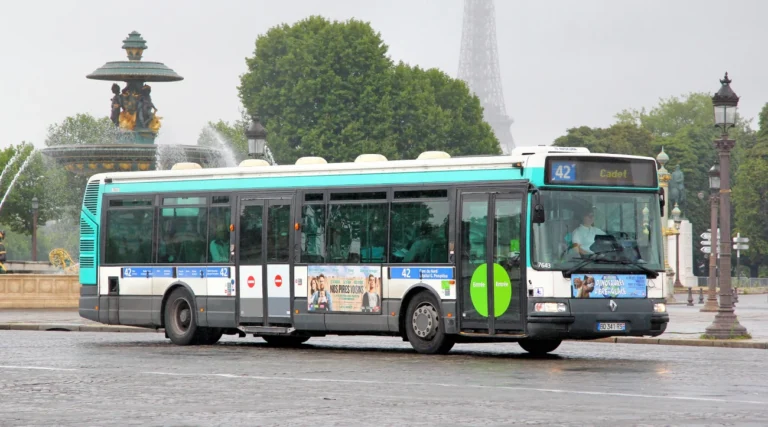
Lines 30, 40, 54, 74 and 85 connect the area with the centre and go up to the highest points of the hill.

Standing

A straight walk along Rue des Martyrs connects the neighborhood directly with the Grand Boulevard area.

Funicular

Anvers station allows you to get off the metroand find yourself just a few steps from the departure point of the funicular to the Sacré-Cœur.

Central point: 1, Pl. Pigalle

History of the Pigalle district

Pigalle's roots lie in a fortunate fiscal anomaly of eighteenth-century Paris. When the city's toll walls were erected, the village of Montmartre and the lands below fell just outside the city limits. This meant that consumer goods, especially wine from the hillside vineyards, were exempt from city taxes. Soon, the area filled with popular taverns, makeshift cabarets, and dance halls where Parisians flocked en masse for cheap entertainment.
With the advent of the Second Empire and Haussmann's demolitions in the city center, the bohemian community of painters, poets, and writers found the ideal environment in this peripheral district. The opening of the Moulin Rouge in 1889 marked the culmination of this evolution, codifying the can-can show as the ultimate expression of Parisian joie de vivre. Legendary figures of world painting opened their studios in the hidden courtyards of Place Pigalle, capturing on their canvases the diverse, tormented, and fascinating humanity that populated the late-night cafés.

Over the course of the twentieth century, the artistic soul gradually gave way to an increasingly aggressive and commercial adult entertainment industry, linked to revue theaters and adult-themed cinemas. The neighborhood experienced decades of ambiguous fame, becoming the perfect backdrop for detective novels and noir films of the immediate post-war period. In recent years, a profound process of commercial renewal has swept the area south of the avenues, attracting young chefs, avant-garde pastry chefs, and creatives who have redefined the district's identity without erasing its electric and mysterious charm.

Curiosities about the Pigalle neighborhood

What to book in the Pigalle district

Where to stay in the Pigalle neighborhood

Many tourists visiting Paris want to see a show at the Moulin Rouge, but the late hour or distance often makes them reconsider. One solution is to stay near the Moulin Rouge itself.

Where to eat in the Pigalle neighborhood

Pink Mamma

A spectacular four-story trattoria designed like a flowering greenhouse, famous for its grilled meats and exceptionally Instagrammable interior.

203 Rue du Faubourg Montmartre

Bouillon Pigalle

A contemporary reinterpretation of the classic popular restaurant: a huge, always-crowded room where you can enjoy eggs with mayonnaise and snails at unbeatable prices.

22 Boulevard de Clichy

Rose Bakery

The delightful tea room located in the garden of the Museum of Romantic Life, perfect for a bucolic break with organic cakes and freshly squeezed juices.

16 Rue Chaptal

Frequently Asked Questions

Is the Pigalle neighborhood safe to visit at night?

Yes, the main streets are always lit and very busy. As in any nightlife area, just watch out for pickpockets and don't isolate yourself in the dark alleys on the hill.

Access to the auditorium is permitted only to those with tickets for the evening performances or revue dinners.

It stands for South Pigalle, the residential area located south of the Boulevard de Clichy which today hosts the city's trendiest food markets, bistros and shops.

No, almost all of the luthiers and guitar shops on Rue de Douai are closed on Sundays and Monday mornings.

A short distance away are historic theaters such as the Cigale and the Divan du Monde, which today offer rock concerts, stand-up comedy shows and clubbing evenings.

Access to the splendid permanent collection and the historic garden is completely free, while temporary exhibitions require a ticket.

The Blanche station on line 2 opens onto the platform directly opposite the main entrance to the Moulin Rouge.

Yes, Rue des Martyrs transforms every day into a lively open-air market with the best fresh food in the capital.

Other attractions to book in Paris

You might also be interested in...

The journey continues…

Restaurant on the Champs Elysée in the evening
Place Vendome aerial view
Eiffel Tower in front of the windows of a hotel
A tourist fiddles with his phone near Les Invalides
Historic café in Montmartre
Cityscape view on the beautiful street with the Sacré-Coeur Cathedral on the hill of Monmartre in Paris

Activities and tours you can't miss

Share:
Previous
Batignolles
Next
Canal Saint-Martin