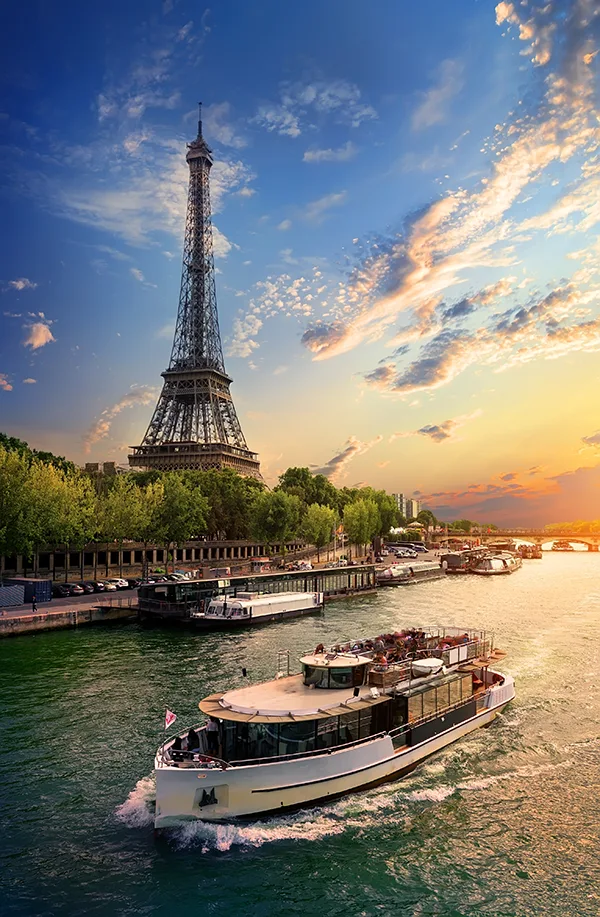


Champ de Mars: the park of the Eiffel Tower

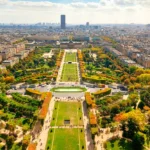
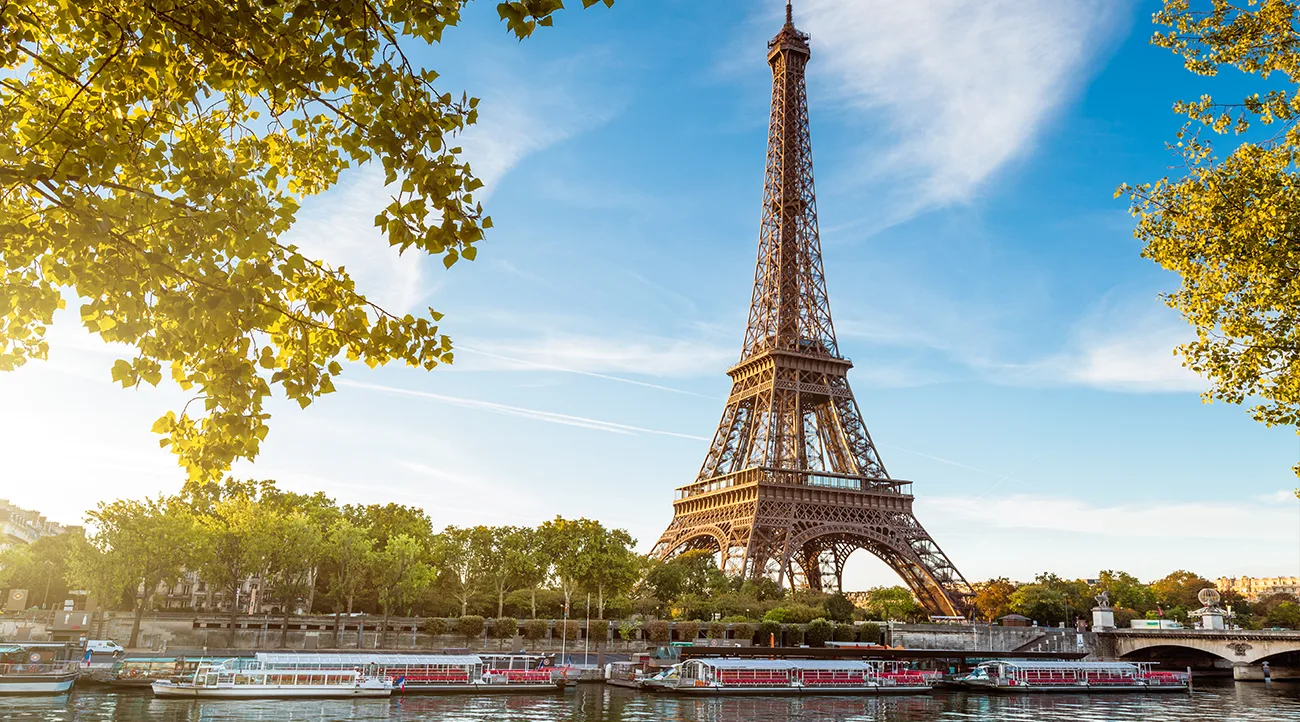
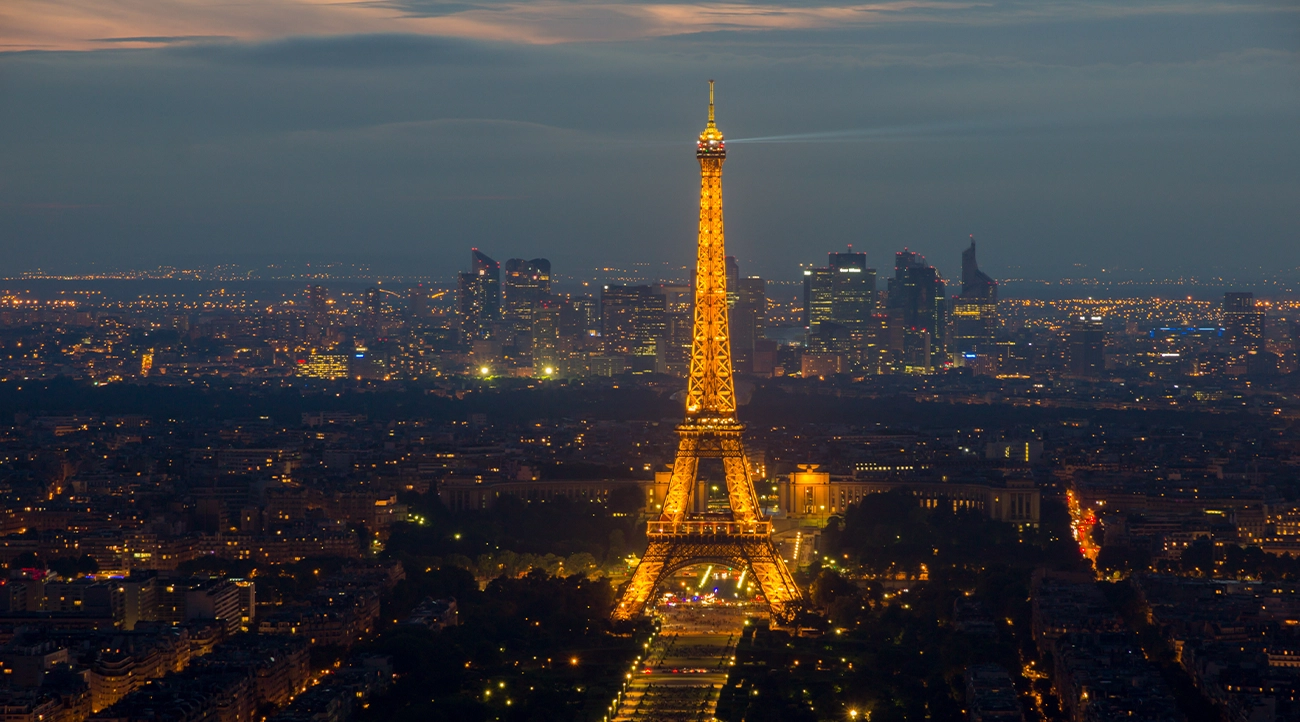
An immense, monumental and spectacular green carpet that extends at the foot of the most famous monument in the world, combining the grandeur of French military history with the photographic dreams of millions of travellers.
In short

Table of Contents

The ideal stop

As a rest stop immediately after coming down from the top of the Eiffel Tower or after a cruise on the Seine.
  • Recommended parking time 45'

    Forty-five minutes is enough to travel the straight line and take the classic photos.

  • The local rite

    Buy a bottle of wine and some treats on Rue de Cler for an evening picnic on the lawns while the tower lights up.

What to see at the Champ de Mars

Explore this very long, monumental straight road to discover the historical testimonies and artistic installations that enrich the sides of the large grassy parterres.

1

The perspective of the Eiffel Tower Focal point

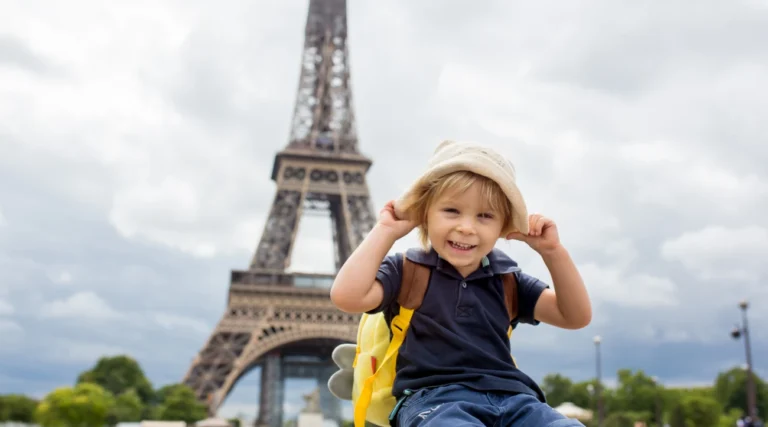
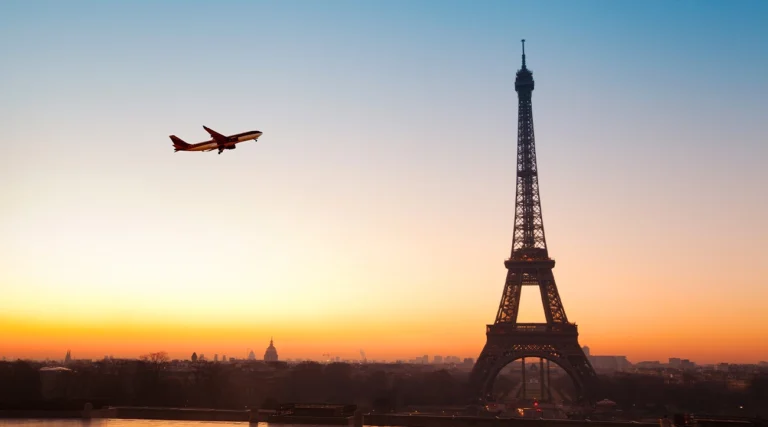
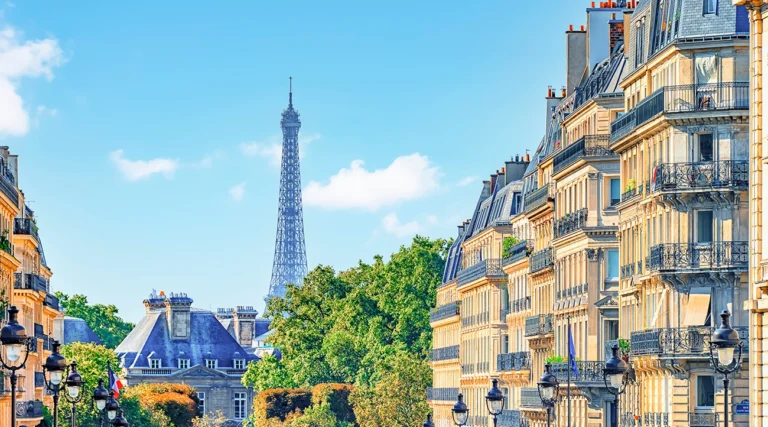
Enjoy an up-close, unobstructed view of the iron colossus, which dominates the northern end of the park.

2

The Peace Wall

Observe the modern glass and metal installation erected in 2000, where the word "Peace" is engraved in dozens of different languages ​​and alphabets.

3

The facade of the École Militaire

Be struck by the imposing eighteenth-century military academy, an architectural masterpiece designed by Ange-Jacques Gabriel, which closes the southern side of the park.

4

The Monument to Human Rights

Discover the bizarre stone and bronze structure built in 1989 for the bicentenary of the Revolution, full of esoteric and Masonic symbols.

5

The nineteenth-century groves

Explore the curved side streets, where winding paths and stone bridges hide rare trees dating back to the old World's Fairs.

Visiting the Champ de Mars

Being one of the most popular destinations on earth, moving through its meadows requires a little logistical attention to enjoy the experience in peace.

How to visit the Champ de Mars

We recommend starting your walk from the metroÉcole Militairemetro , proceed along the central lawns, walking straight toward the silhouette of the Eiffel Tower, then turning onto the shady side paths to escape the summer sun. Book tickets for the Tower to see it from above.

Need to know

  • The name is inspired by the Campo di Marte in ancient Rome.
  • The area hosted the historic Universal Exhibitions of the nineteenth century.
  • The Eiffel Tower was built as the entrance to the fair.
  • In 1790 the great Federation Festival was celebrated here.

Practical advice

  • Protect your bag from the many pickpockets in the area.
  • Avoid buying drinks from illegal vendors on the lawns.
  • Many lawns are periodically fenced to allow the grass to regrow.
  • Use the free automatic toilets hidden among the trees.

How to get to the Champ de Mars

This monumental public space stretches along the left bank of the Seine, in the heart of the elegant seventh arrondissement.

Metro

Line 8 serves the École Militaire station on the south side.

Rer

Line C stops at the Champ de Mars - Tour Eiffel station.

Bus

Lines 42, 69, 82, 86 and 92 stop along the park.

Standing

Cross the Pont d'Iéna from the Trocadéro gardens.

Champ de Mars, 75007

History of the Champ de Mars

In 1765, King Louis XV approved the construction of the École Militaire, a grandiose academy intended to train young officers for the royal army, among whom a very young Napoleon Bonaparte would study. In front of the palace's façade, an immense expanse of packed earth, originally used for agricultural cultivation, was leveled and named the Champ de Mars in honor of the Roman god of war. The area served for battalion maneuvers, official parades, and mounted exercises for thousands of soldiers.

With the outbreak of the French Revolution, the field lost its exclusively military function and became the great theater of the first mass civic and republican celebrations. On July 14, 1790, over three hundred thousand Parisians gathered here alongside the king and Lafayette to celebrate the Fête de la Fédération, swearing allegiance to the new Constitution. Unfortunately, the following year, the same space was the scene of the tragic Champ de Mars massacre, where the National Guard opened fire on a crowd of republican demonstrators.

In the second half of the 19th century, the Champ de Mars became the world stage for technological progress, hosting the spectacular Universal Expositions of 1867, 1878, 1889, and 1900. Immense glass and iron buildings were erected on the lawns and later dismantled. It was precisely for the 1889 exposition, organized to commemorate the centenary of the Revolution, that engineer Gustave Eiffel erected his temporary tower on the banks of the Seine, forever changing the neighborhood's destiny.

In 1908, the State decided to definitively cede the land to the City of Paris, which initiated a radical landscape transformation led by architect Jean-Camille Formigé. The old exhibition structures were removed, the central flowerbeds were covered with soft grass, and the tree-lined lateral avenues we admire today were designed. The park is now preparing for a new historical chapter, hosting temporary structures for major international sporting events.

Curiosities about the Champ de Mars

Tickets and tours nearby

Find accommodation near the Champ de Mars

Being one of, if not the, most famous areas of Paris, there are many options for staying near the Eiffel Tower , and they are generally not cheap.

Frequently Asked Questions

Can you walk freely on the Champ de Mars lawns or is it forbidden?

The large central lawns are open to the public for picnics and relaxation during the warm months, except when they are temporarily fenced off for lawn replanting. They are ideal for those visiting Paris with children.

The avenues are illuminated by the classic historic Parisian street lamps, but the main light is that reflected by the nearby monumental Eiffel Tower.

Yes, the Hôtel des Invalides, which houses the emperor's monumental tomb, is less than a ten-minute walk away, running alongside the École Militaire.

The famous Warsaw Fountain is located on the opposite bank of the Seine, inside the Trocadéro Gardens, directly opposite the Champ de Mars.

Rental electric scooters are prohibited within the park; they must be parked in the street parking spaces outside. You can, however, explore the park on a Segway tour.

The internal kiosks mainly sell food and drinks, while the official souvenir shops are located at the base and inside the pillars of the tower.

Yes, historically the Champ de Mars hosts the large free concert on July 14th for the National Day, which attracts hundreds of thousands of spectators.

No, the distance of ametro and the slight curvature of the land hide the mirror of the river, but the view of the tower remains intact.

Tickets and experiences to experience the city

You might also be interested in...

The journey continues…

A woman smokes alone at a table in a Paris bar
Souvenirs in a stall in Paris
Crossroads in the Opéra district
Train, Highway, and Airplane at Charles De Gaulle Airport
Panorama of Paris with the Eiffel Tower and balconies of hotels and buildings
Cityscape view on the beautiful street with the Sacré-Coeur Cathedral on the hill of Monmartre in Paris

Activities and tours you can't miss

Share:
Previous
Parc Monceau: elegance and tranquility in the heart of Paris
Next
Parc des Buttes-Chaumont: one of the most beautiful parks in Paris