

In short
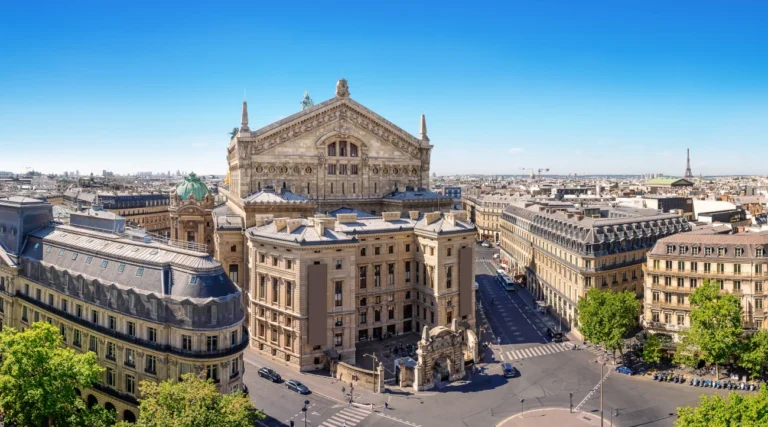
The Palais Garnier is Charles Garnier's architectural masterpiece and one of the most famous theaters in the world. A symbol of Parisian luxury, this temple of opera and dance enchants with its monumental façade and the richly decorated interior, making it an essential stop for those seeking the true artistic soul of the capital.
Period: 19th century
Architecture: Neo-Baroque
Function: opera house
Best time: late morning
☰ Table of Contents
Palais Garnier opening hours and prices
Access to the theater to admire the public rooms is permitted during the day, except for rehearsals or stage requirements, which may affect prices and opening hours. Online ticket reservations are required .
Opening hours
-
Everyday 11:00–16:00
In summer it closes an hour later
-
Last access 1 hour before
-
Extraordinary closures
Due to performances and rehearsals, the theater may be closed on visiting days. No ticket guarantees entry.
Prices
-
Adults from €15
It varies depending on whether you are an EU citizen or not
-
Youth (18–25) from €10
It varies depending on whether you are an EU citizen or not
-
Free Free
Children under 12, disabled people with companion
What to see at the Palais Garnier
Crossing the threshold of the Opéra means entering a world of luxury where every detail has been designed to celebrate art and beauty.
The Grand Staircase
A monumental staircase made of marble of different colors, surrounded by balconies and elegant statues.
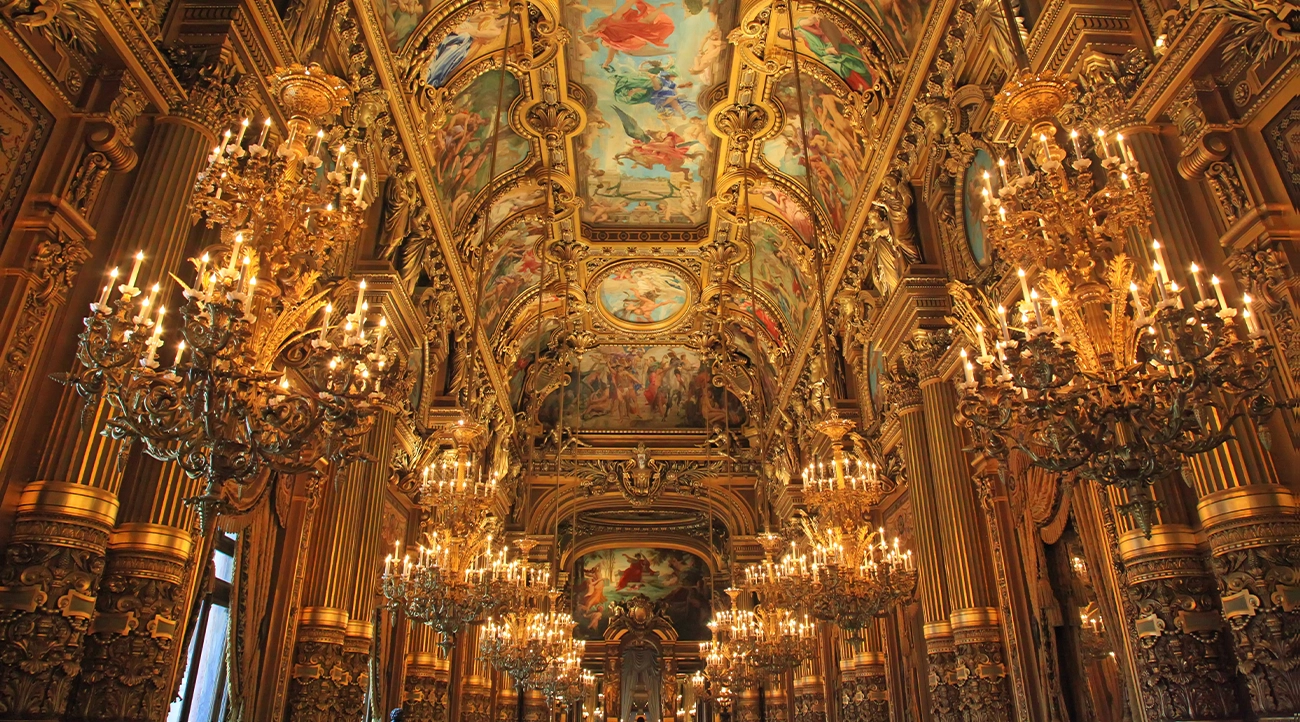
The Grand Foyer
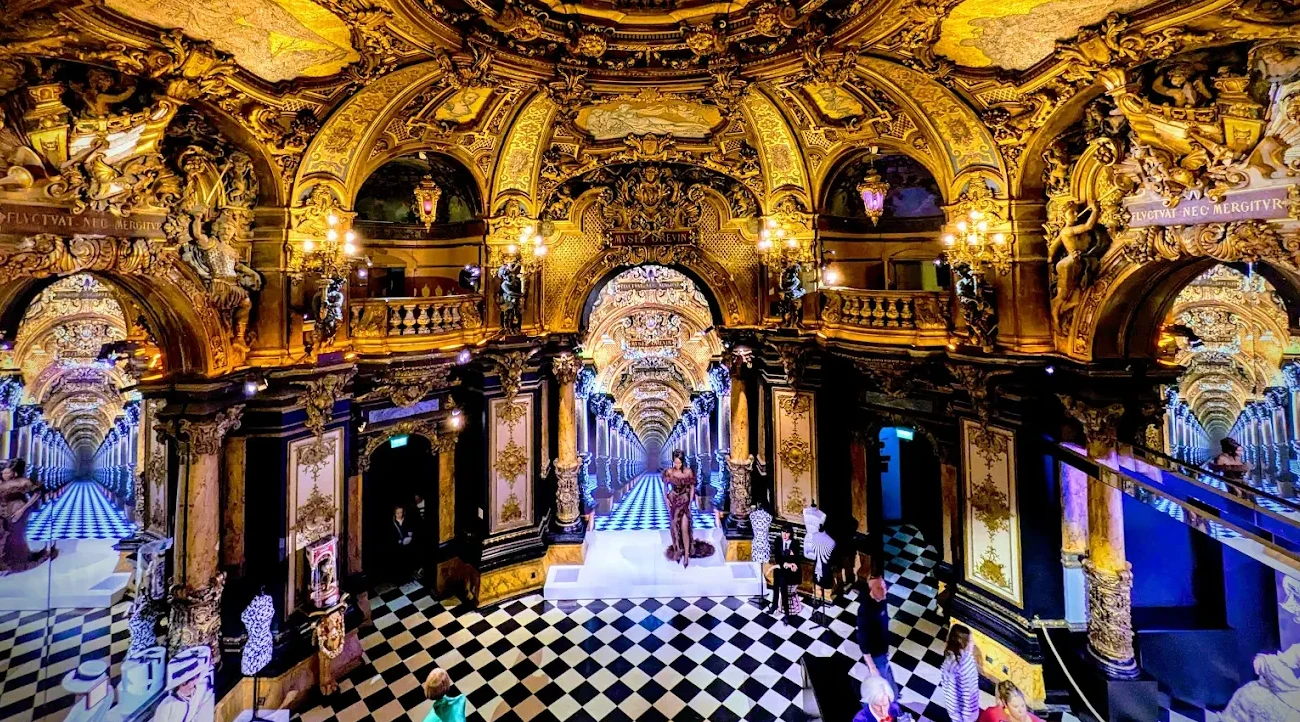
A 54-meter-long gallery resplendent with mirrors and gilding, inspired by the galleries of royal castles.
Chagall's ceiling
A modern and lively contrast within the classical hall, painted in 1964 with scenes from famous works.
The performance hall
A triumph of red velvet and gold, dominated by the majestic crystal chandelier weighing several tons.
The Unmissable Opera Museum
A precious collection that preserves sketches, historical costumes, and documents that recount centuries of performances.
The visit to the Palais Garnier
Exploring the theater's corridors requires careful planning to fully enjoy the play of light on the marble and the gilded details. Here are the key elements to organize your itinerary.
Best moment
Early morning to avoid the crowds
Crowding
High during holidays and afternoons
Suitable for children
Yes, ideal for learning more about history
What not to miss
The view from the balcony on the Place de l'Opéra
Type of experience
Artistic and architectural
Useful note
Monumental spaces and an atmosphere of times gone by
How to visit the Palais Garnier
There are several ways to access this Parisian treasure, optimizing your time and avoiding unnecessary waiting.
Need to know
- Access to the main hall may be limited during artist rehearsals.
- The theatre is still active and regularly hosts ballets and operas.
- The entrance ticket includes access to temporary exhibitions in the museum.
- The route is partially accessible thanks to modern internal elevators.
Practical advice
- Booking your ticket online is essential to reduce waiting times at the door.
- Use audio guides to discover the secrets of the Phantom of the Opera.
- Check the official website for early closures due to shows.
- Dress in layers because the temperature in large rooms can change quickly.
How to get to the Palais Garnier
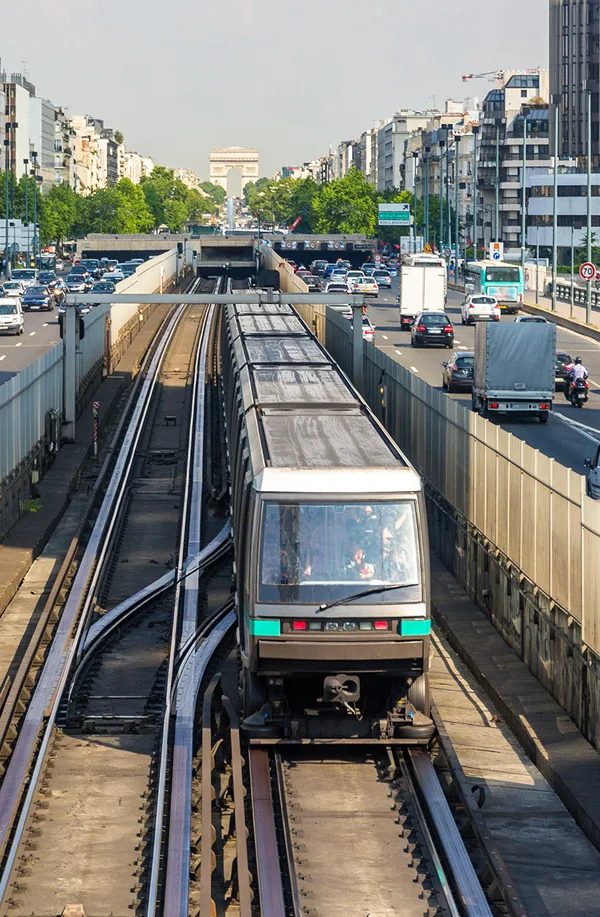
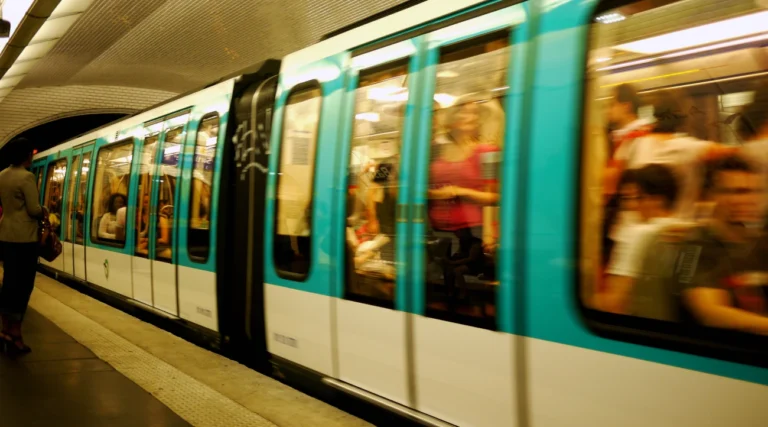
Lines 3, 7 and 8 stop right under the building at the Opéra station.
The Auber station on line A is located a few steps from the side entrance of the building.
Numerous lines, including the 20, 21, 27, 29 and 95, have dedicated stops right in the square in front.
up from the Place de la Concorde or the Grand Boulevards is an experience that allows you to admire the façade from afar.
Place de l'Opéra, 75009
Official Transport Paris
- Paris Metro Map
- RER tickets and fares
- Taxis in Paris (numbers and alternatives)
History of the Palais Garnier
The idea of building a new opera house originated under Napoleon III, who in 1860 announced an international competition to modernize Paris. Among hundreds of designs submitted by famous architects, the young and then unknown Charles Garnier surprisingly won.
Read moreShow less
Read moreShow less
Construction began in 1861, but the site faced incredible obstacles, starting with the discovery of an underground aquifer. To stabilize the foundations, Garnier had to create a huge artificial reservoir beneath the stage, fueling the legend of the underground lake.
Work was abruptly halted during the Franco-Prussian War of 1870 and the subsequent period of the Paris Commune. During those difficult years, the incomplete building was even used as a food depot and a strategic military post.
With the return of political stability, construction resumed with renewed vigor to complete the interior decorations without sparing any expense. Precious marble, onyx, and bronze were brought from every corner of Europe to make the structure unique in the world.
The official inauguration finally took place on January 5, 1875 , with a lavish ceremony attended by the leading rulers of the time. The Palais Garnier immediately became the center of Parisian social life, a place to see and be seen.
Over the decades, the palace has witnessed technical and artistic innovations, while maintaining its original charm. Today, it continues to be a premier venue for classical dance and one of the most photographed monuments in Europe.
Curiosities about the Palais Garnier
Behind the scenes and beneath the stage lie hidden anecdotes that have fueled the worldwide fame of this magical place.
The Phantom: The legend of the Phantom of the Opera is based on real events, such as the falling chandelier in 1896.
The underground lake: there really is a body of water under the theatre, used today by firefighters for exercises.
Rooftop Hives: For years, the theater has produced its own honey thanks to the hives located on the top of the building.
Box 5: According to tradition, this box is permanently reserved for the Phantom of the Opera and is not sold.
Palais Garnier Tickets and Tours
Find accommodation near the Palais Garnier
Staying near the Palais Garnier means sleeping in the Opéra district of the city.
Frequently Asked Questions
How long does it take to visit the Palais Garnier?
A self-guided tour usually takes between 60 and 90 minutes.
Is it possible to see the stage?
Yes, unless technical rehearsals or stage set-ups are underway.
Are the Palais Garnier and the Opéra Bastille the same thing?
No, they are the two theatres of the Opéra National de Paris, located in different areas.
Can you enter without a ticket to see the atrium?
No, access to all internal areas requires a ticket.
Can disabled people visit the theatre?
Certainly, there are ramps and elevators to access the main levels.
Is there a dress code for daytime visits?
No, for sightseeing, decent, informal clothing is sufficient .
Can you take photos inside?
Yes, taking photographs without flash for private use is permitted
Does the ticket include a show?
No, the ticket only allows you to explore the architecture of the palace.