

In short
Learning to recognize these mechanisms isn't just about saving your wallet, it's also about discovering the most authentic and enjoyable side of the French capital. This guide will reveal the most common tricks and how to avoid them so you can enjoy your trip with complete peace of mind.
- Serial catering
- Street scams
- Counterfeit souvenirs
- Transport fares
☰ Table of Contents
What do you have to watch out for?
The most common lures aimed at visitors are concentrated in four well-defined areas of daily city life.
Restaurants with multilingual photographic menus
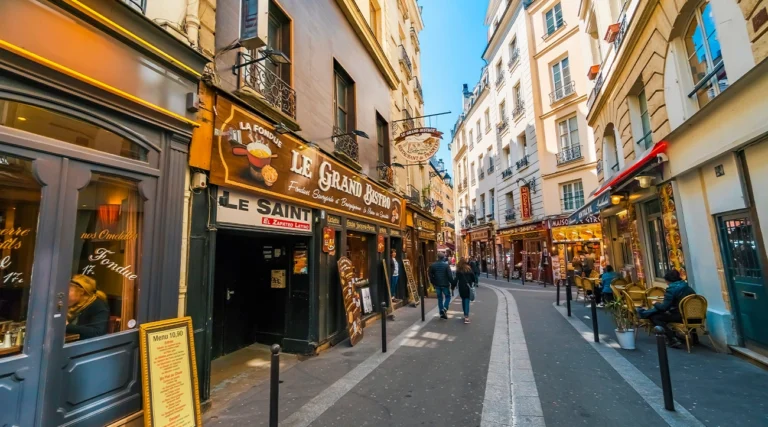
Places displaying giant signs with photos of dishes in five different languages and staff inviting you in are the first trap.
The trick of the gold ring and the petitions
Someone will pretend to pick up a ring from the ground and ask if it's yours, or they will invite you to sign a fake petition, pickpocketing you.
Illegal portraitists in Montmartre
Some abusive and very insistent portrait artists will start drawing your profile in pencil without your explicit consent, then demanding payment.
The ticket scalpers
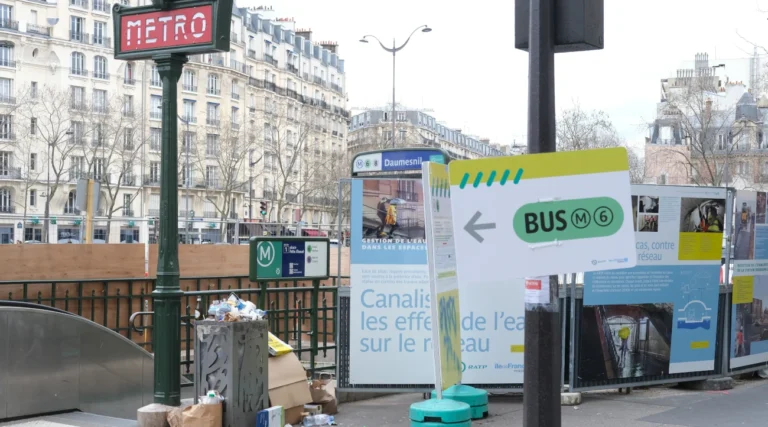
Fake transport employees offer to help you at the vending machines to buy incorrect tickets or inflated fares.
Our advice
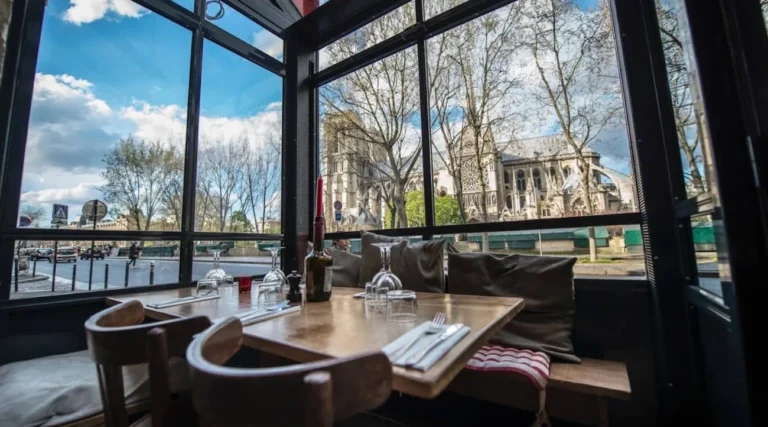
Walk five minutes into the residential side streets: if the menu is handwritten on a blackboard in French only and the place is full of locals, you've found an authentic place.
Paris' neighborhoods and their pitfalls
A quick overview of how risks are divided and localized among the neighborhoods of the City of Light.
| Area / Monument | The Typical Trap | The Defense Strategy |
|---|---|---|
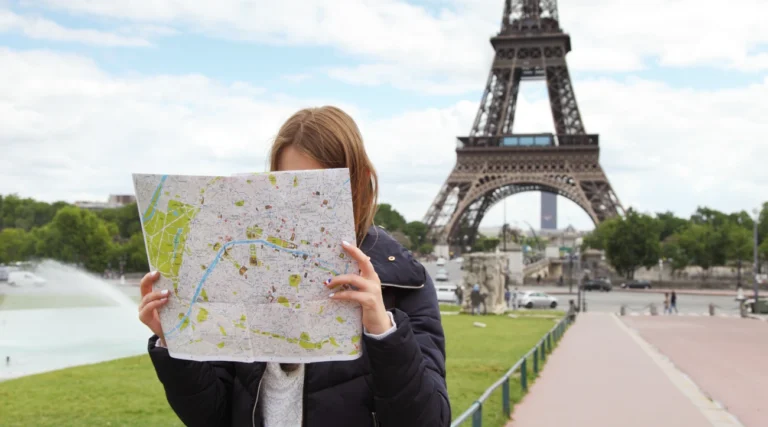
| Champ de Mars (Eiffel Tower) | Street vendors hawking cheap souvenirs and fake cripples asking for signatures on petitions. | Walk straight, keep your hands in your pockets, and never respond to their greetings. |
| Montmartre (Sacred Heart) | Groups of boys blocking the steps to forcibly tie a thread bracelet on your wrist. | Go up using the funicular (included in the passes) or keep your arms crossed along the steps. |
| Latin Quarter (Central Streets) | Bouncers in front of restaurants offering complete menus at rock-bottom prices (industrial food). | Ignore the verbal warnings and look for the bistros in the side streets where the menus are only in French. |
| Surroundings of the Louvre Museum | People who pretend to find a gold ring on the ground to ask you for a reward. | If someone shows you a ring and says you've lost it, say "No" without stopping. |
Anti-tourist trap solutions
To avoid falling into the hands of unlicensed guides or dishonest vendors, the best way is to rely on certified services and traceable bookings. Here are the safest and most recommended options for your visit:
Gastronomic Tour with Local Guide
Ideal for: avoiding the mistake of dining in industrial and expensive tourist restaurants.
- Guided walking tour to discover the authentic Parisian neighborhood markets
- Tastings included of artisanal cheeses, selected wines and traditional desserts
- Direct advice for recognizing authentic places and avoiding frozen products
Louvre Official Skip-the-Line Ticket
Ideal for: avoiding the trap of unlicensed ticket touts selling fake tickets at the entrance.
- certified digital access code directly linked to the museum's systems
- Guaranteed entry time to eliminate long waits at physical ticket offices
- Official customer support included and modifiable in case of logistical unforeseen events
Private Transfer Airport to City Center
Ideal for: avoiding scams from fake taxi drivers at terminal arrivals.
- professional driver waiting for you at the gate with a name sign
- Fixed rate locked at the time of booking with no traffic surprises
- Modern vehicles equipped with every comfort to start your holiday in total relaxation
Private Walking Tour of Montmartre
Ideal for: exploring the hill in complete safety while avoiding pushy portrait photographers.
- exclusive walk led by a professional through the less traveled streets
- Discover the true history of the artists of the Belle Époque, far from the scams
- Practical advice on where to buy real handicrafts and original Parisian souvenirs
The 5 tips to put into practice
If you adopt these attitudes you will be in a safe place away from the dangers of criminals and therefore the most common mistakes made by those visiting Paris.

Ignore anyone who shows you fake petitions
Continue straight without stopping to avoid pickpocketing.
Never accept bracelets as gifts
This is a scam to extort money from you.
Always check the prices on the displayed menu
Check the cost of drinks before ordering.
Avoid the three-card monte game on the street
It's a scam with accomplices among the public.
Use only official channels for tickets
Purchase tickets exclusively on the museum portals.

Need to know
- True French bistros change their menus daily.

- The police constantly patrol the monumental areas.
- Official taxis only charge fixed fares.
- The woven bracelets are not local handicrafts.
To keep in mind
- A firm refusal immediately drives away ill-intentioned people.
- Bar bills go up if you sit outside.
- Official tourist offices do not sell on the street.
- Haste increases the risk of being scammed.
Activities and experiences to truly experience the city
Frequently Asked Questions
How can I recognize a fake traditional restaurant in Paris?
They often display laminated printed menus in a variety of languages, use highly detailed photos of dishes, and have staff at the entrance actively trying to persuade passersby to sit at their tables.
What should I do if a street vendor becomes aggressive?
Say a firm, loud “No,” avoid eye contact, and walk quickly toward a brightly lit area, a store, or the police officers manning attractions.
Are people asking to sign petitions in parks trustworthy?
No, almost never. It's a ploy used by organized groups to distract tourists, expose where they keep their wallets, and make it easier for pickpockets to find them in a crowd.
Are the prices on the menus displayed outside the premises different from those on the premises?
French law requires transparency, but many cafés charge a supplement for service at an outdoor table (au terrasse) compared to standing at the counter (au comptoir).