

In short
Built for the 1900 Universal Exhibition, the Grand Palais dominates the Parisian scene with its eclectic style and gigantic glass nave. A symbolic place of French cultural life, the palace regularly hosts the capital's most ambitious exhibitions.
-
Period: 19th century
-
Architecture: Beaux-Arts
-
Function: exhibition center
-
Best time: Weekday morning
☰ Table of Contents
Grand Palais opening hours and prices
Consult the official data for updated timetables and costs.
Opening hours
-
Everyday 09:30-20:00
Exhibition opening hours vary
-
Last access 1 hour before
-
Ordinary closures
May 1st and December 25th, July 14th
Prices
-
Adults from €13
-
Youth (18–25) 10€
-
Free entry Free
Minors under 18, disabled people with companion
What to see at the Grand Palais
Between steel reflections and sculptural decorations, let yourself be enchanted by a space where contemporary art finds its maximum expression.
The Central Ship
Admire the immense glass and iron vault.
Temporary exhibitions Always new
Discover world-famous artistic masterpieces.
The Palace of Discovery
Explore the hub dedicated to modern sciences.
The sculptural decorations
Observe the architectural details of the facade.
The visit to the Grand Palais
Visiting the Grand Palais means immersing yourself in a cathedral of light that has rewritten the history of modern exhibitions, offering unique perspectives on evolving art.
How to visit the Grand Palais
Managing the flow requires attention to enjoy the necessary tranquility.
Need to know
- Access is permitted only through the specific entrance indicated.
- The structure is spread over two main exhibition levels.
- Security check is mandatory before entering.
- The building is subject to restrictions as a national historic monument.
Practical advice
- Check the specific entrance assigned on your personal ticket.
- Visit around noon for a brightly lit stained glass window.
- Check the official website for any exhibitions with free admission.
- Avoid bulky bags as security checks are very strict.
How to get to the Grand Palais
Reaching this monument is extremely simple, as it is located in a privileged and central position between the great Parisian avenues.
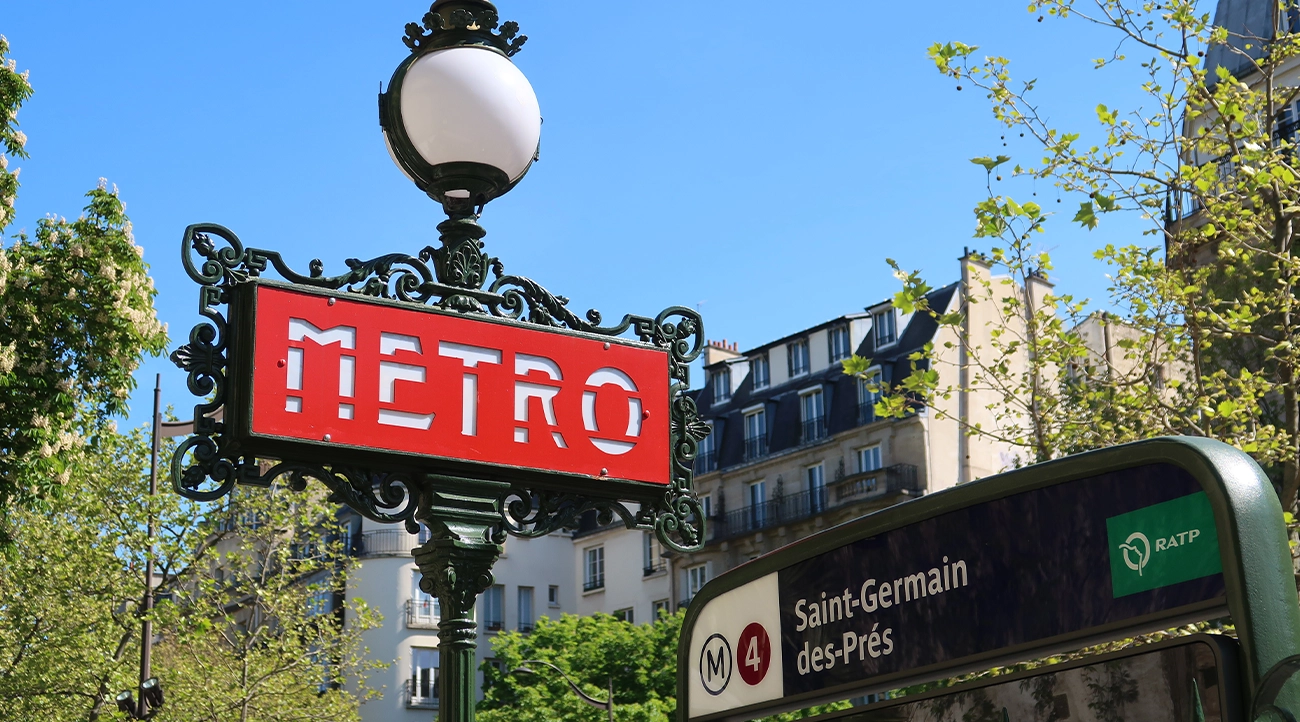
Lines 1 and 13 stop at the Champs-Élysées - Clemenceau station.
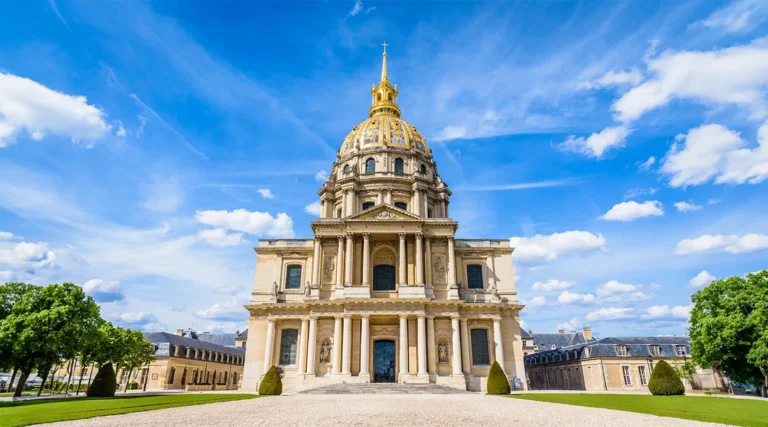
The Invalides station, line C, is just a few minutes' walk away.
Several lines, such as the 28, 72 or 93, stop nearby.
Walk along Avenue Winston Churchill to immediately admire the imposing façade.
3 Avenue du Général Eisenhower, 75008
Official Transport Paris
- Paris Metro Map
- RER tickets and fares
- Taxis in Paris (numbers and alternatives)
History of the Grand Palais
The complex was conceived to celebrate the greatness of France during the Universal Exhibition in Paris in 1900.The goal was to create an artistic and technological container that would amaze the entire world with its constructive audacity.
Read moreShow less
Read moreShow less
The construction site involved numerous architects, who worked simultaneously to complete the massive metal structure within the set timeframe. The combination of limestone and wrought iron created an aesthetic contrast that is still considered a model of elegance today.
During both World Wars, the building served various purposes, including a military hospital and logistics center. This historical period severely tested the vault's stability, requiring subsequent extensive restoration.
Over the decades, the palace has consolidated its role as the epicenter of art fairs and Parisian social events. The constant evolution of its functions has allowed the spaces to be adapted to increasingly complex exhibition needs.
Recently, a comprehensive restoration has returned the monument to its former splendor, restoring the original transparency of the stained glass windows. Today, it represents the perfect blend of the historical legacy of the Belle Époque and contemporary technological innovations.
Curiosities about the Grand Palais
The walls of the palace hold secrets that fascinate anyone who crosses its majestic entrance.
-
Technological record: in 1900, the dome was the largest iron structure in the world.
-
Symbolism: The bronze quadrigas on the outside represent the immortality of art and glory.
-
Transformability: the interior space can easily be adapted for fashion shows, ice rinks or exhibitions.
-
Resistance: The structure has withstood over a century of radical urban changes.
Tickets and tours nearby
Find accommodation near the Grand Palais
Frequently Asked Questions
Is it possible to access without a reservation?
No, online booking is a mandatory requirement.
What are the current exhibitions?
The program changes continuously, check the official website.
Is the site suitable for families?
Certainly, the spaciousness of the spaces makes visiting easier. Discover our tips for visiting Paris with children.
Can you take pictures inside?
Personal photos are permitted without the use of flash.
How long does the average visit last?
Two to three hours, including the exhibition.
Is there a backpack storage facility?
Yes, the cloakroom is available to all guests.
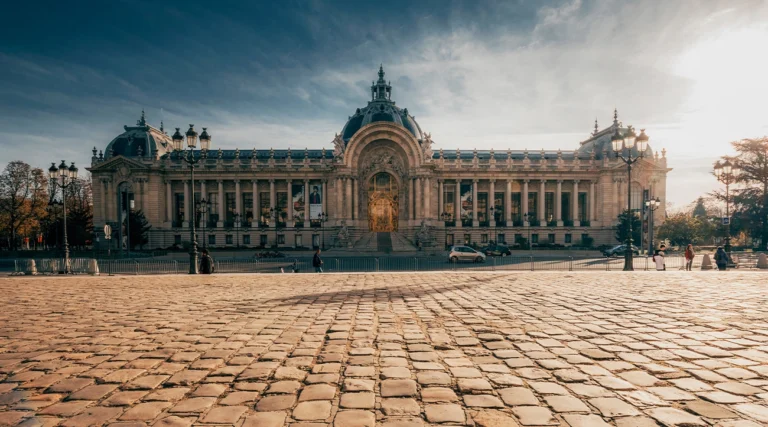
Is the Grand Palais close to the Petit Palais?
Yes, they are located directly opposite each other. The Petit Palais is free.
Is it possible to get a single ticket?
It depends on the agreements in place with other Parisian institutions.