

The myth of the Parisian brasserie: theater, tradition, and large numbers
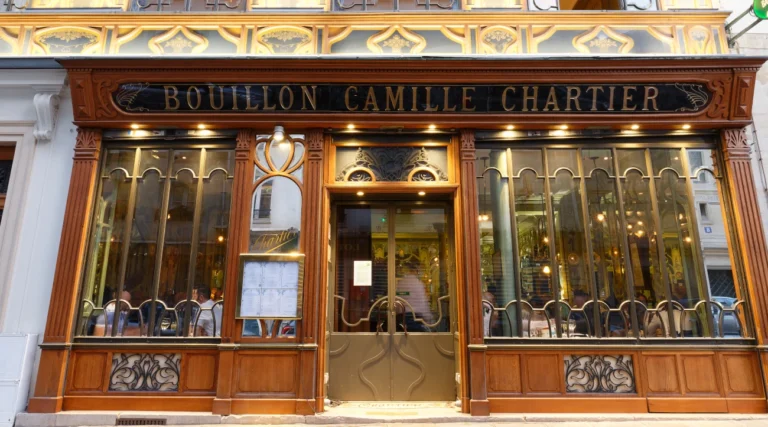
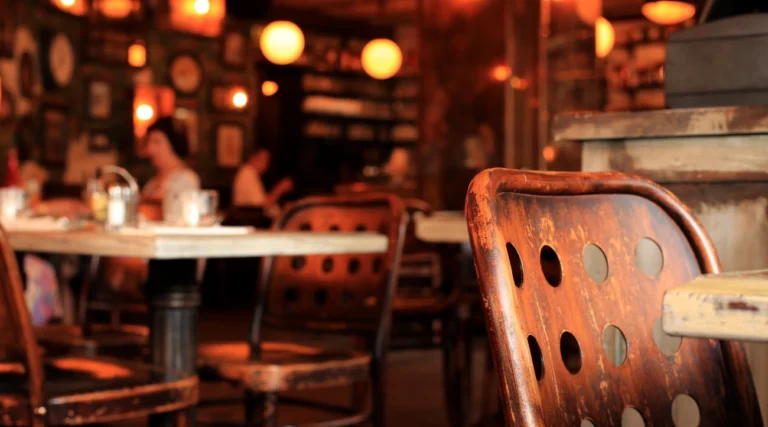
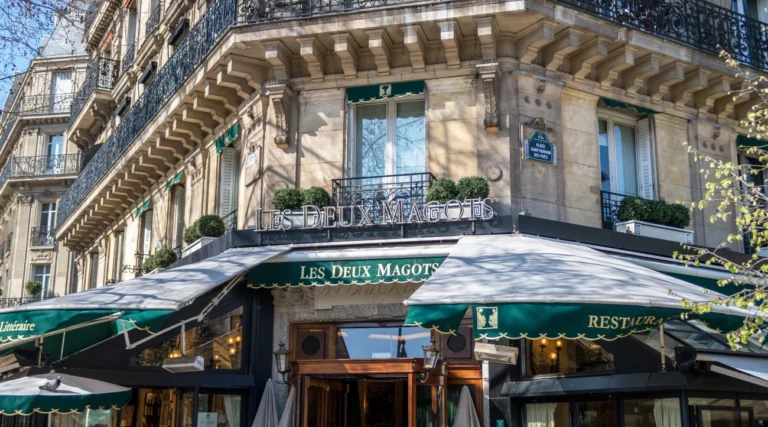
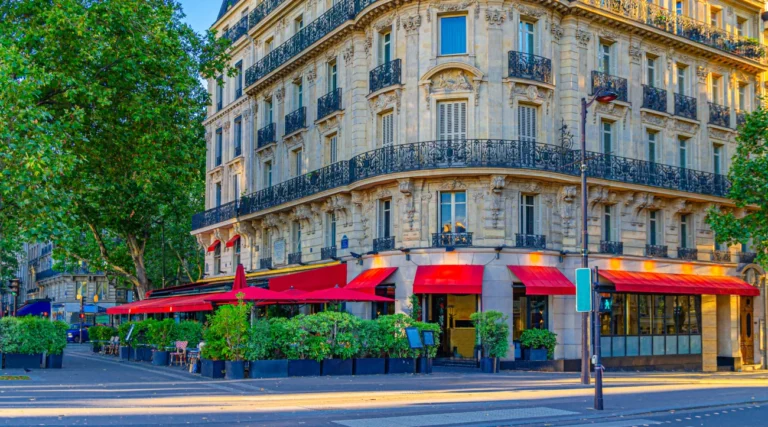
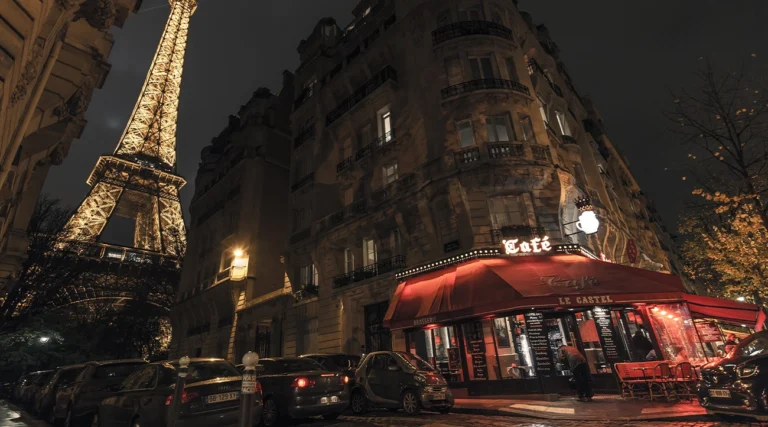
Entering a true Parisian brasserie means crossing the threshold of a theater where the food is only half the show. Originally established in the 19th century as brasseries run by Alsatian immigrants, these imposing dining rooms have over the years transformed into temples of bourgeois and democratic cuisine in the capital. Characterized by continuous service from midday until late at night, brasseries are the places where artists, politicians, and travelers share the same space.
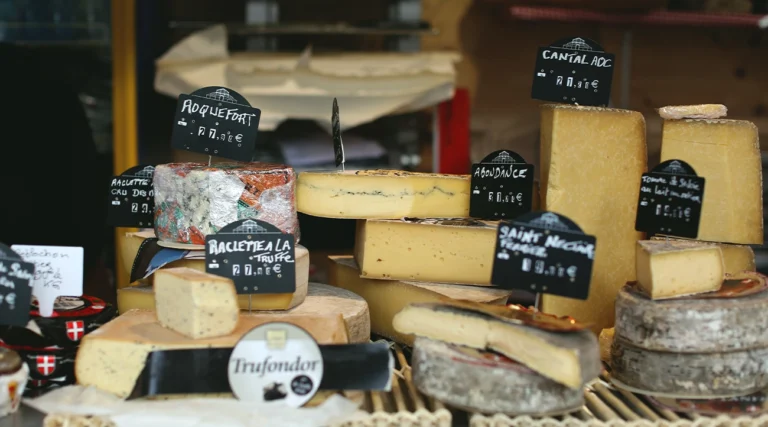
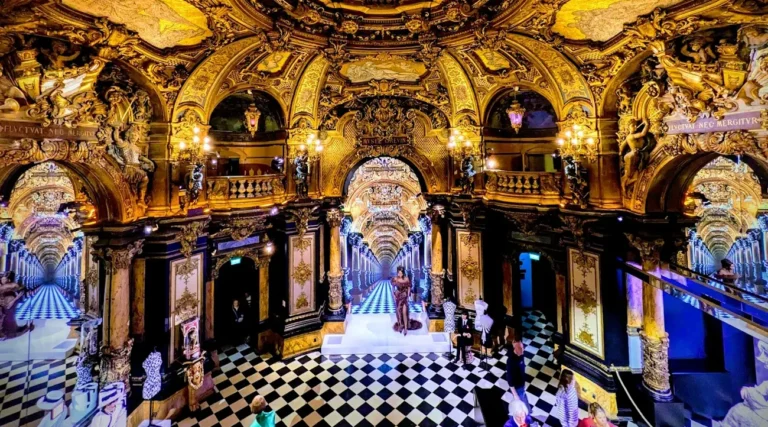
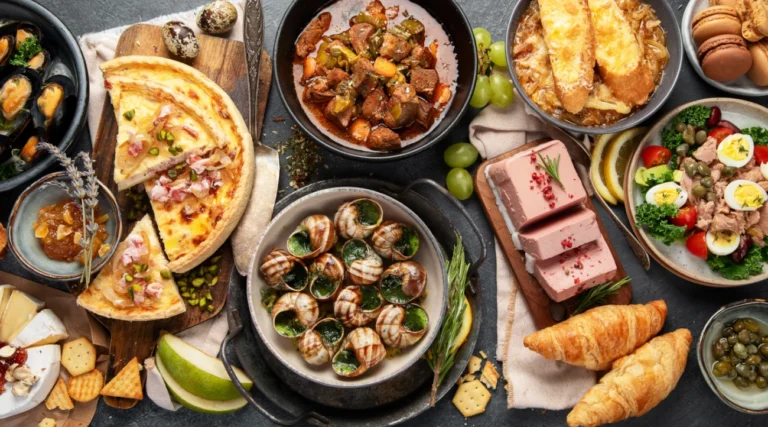
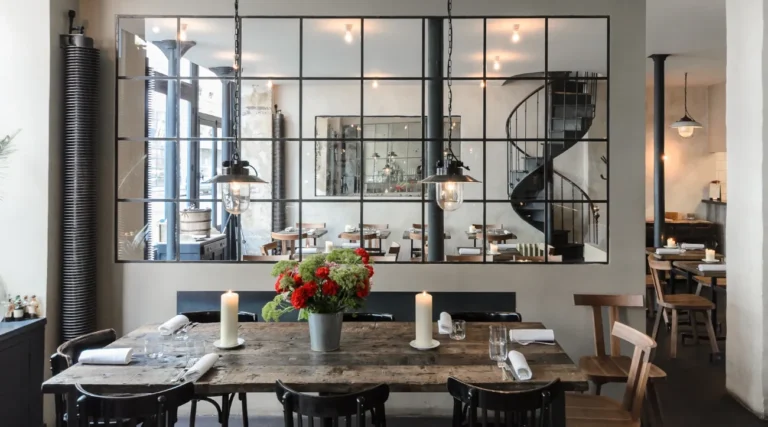
What's most striking is the architecture: floor mosaics, Art Nouveau stained glass windows, stucco, brass chandeliers, and the characteristic cheese and dessert trolleys paraded between the tables. The menu is a tribute to the pillars of tradition, expertly served by waiters in their unmistakable uniforms.
☰ Table of Contents
The historic areas with the highest concentration of brasseries
Although they can be found in every corner of the city, some city streets boast the most spectacular and well-preserved examples.
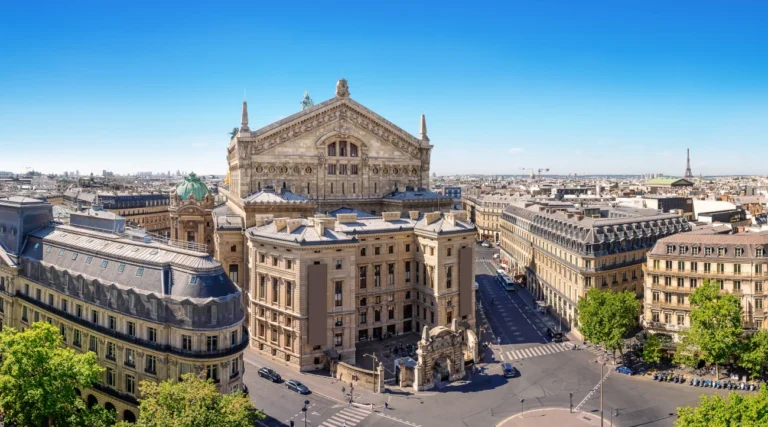
The Grands Boulevards (2nd and 9th arrondissements)
The beating heart of theaters and vintage shopping, where majestic venues designed to accommodate hundreds of customers at each service stand.
Montparnasse (14th arrondissement)
In the footsteps of the artists of the 1920s, the neighborhood's large brasseries retain intact the charm of the Roaring Twenties and the bohemian community.
Bastille Square and République (11th arrondissement)
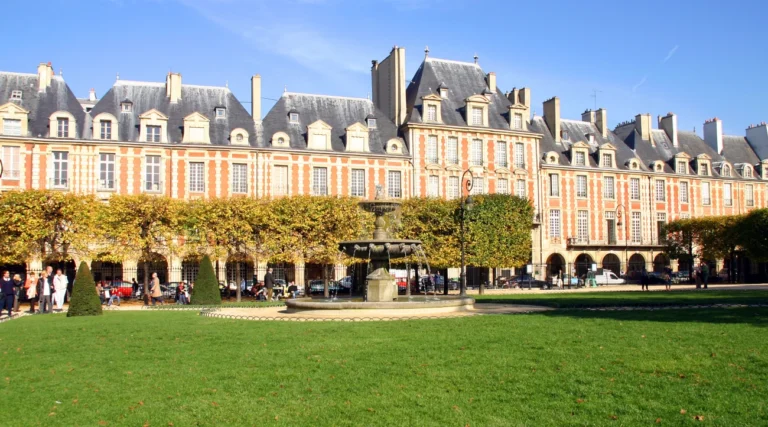
A lively and popular area home to Art Nouveau gems known for their incredibly fresh seafood.
Gare de Lyon and Gare de l'Est area (10th and 12th arrondissements)
The tradition of station brasseries linked to travellers of the past, which offers monumental dining rooms unique in the world.
Iconic experiences in historic dining rooms
Order a majestic platter of seafood served on a stand of crushed ice, or watch the meat being carved and the desserts being creamed right at your table.
Recommended brasseries in Paris
The six iconic addresses to note down to live the original experience in the most authentic format.
The Blue Train
Spectacular brasserie located inside the Gare de Lyon, famous for its period frescoes, gilded stucco and classic cuisine.
Bouillon Julien
A stunning Art Nouveau masterpiece with affordable prices, famous for its authentic atmosphere and traditional recipes.
Brasserie Bofinger
Considered one of the oldest brasseries in Paris, famous for its decorated glass dome and majestic oyster trays.
The Grand Colbert
Iconic venue near the Galerie Vivienne with high ceilings and gilded mirrors, renowned for its impeccable service and French classics.
Great vintage brasseries in Montparnasse
During the Roaring Twenties, Montparnasse became the artistic center of the world, and its venues served as studios, salons, and dining halls for the likes of Picasso, Hemingway, Fitzgerald, and Modigliani. Even today, along the Boulevard du Montparnasse, neon signs and heated terraces keep that intellectual and aesthetic energy alive.
Stopping in this neighborhood means choosing places where art deco blends with a solid gastronomic offering, renowned in particular for the catch of the day, seafood from the Alta Maremma and an extensive wine list.
The Coupole
A temple of Art Deco and a historic meeting place for the 20th-century intelligentsia, renowned for its lamb curry and fresh fish.
The Montparnasse Dome
A historic landmark for seafood and oyster lovers, with elegant decor and a timeless atmosphere.
How much does it cost to eat at a brasserie in Paris?
Despite the grandeur of their surroundings, brasseries generally maintain an accessible price structure, thanks to very advantageous fixed lunch formulas.
| Order type | Indicative price |
|---|---|
| Soupe à l'oignon + Glass of wine | 14–22 € |
| Fixed lunch menu (2 or 3 courses) | 24–36 € |
| À la carte dinner (starter, main course, dessert) | 40–65 € |
| Plateau de fruits de mer (for 2 people) | 70–130 € |
| Haute cuisine dish (e.g. Monkfish or Fillet) | From €35 |
To choose the area
- Grands Boulevards to admire the sumptuous rooms combined with a dinner before or after the theater.
- Montparnasse to experience the historical memory of the great artists of the twentieth century.
- Bastille for a casual meal focusing on oysters and the freshest seafood.
- Gare de Lyon to dine inside a true national historic monument.
To choose the venue
- The great classics have continuous opening hours
- For an authentic experience, choose places that display the écailler counter outside.
- If you are travelling alone, asking to eat at the counter or at the individual side tables guarantees quick service
- In many historic brasseries, desserts are served in very generous portions.
What to do before or after meals in Paris
Map of the best brasseries in Paris
Use the map to pinpoint the exact location of recommended venues and plan your atmospheric dinner.
Frequently Asked Questions
What is the difference between a bistro and a brasserie?
A bistro is typically a small , family-run establishment, with a limited menu and closing times between lunch and dinner. A brasserie is a large room, with continuous service until late, an extensive menu, and a focus on meat, seafood, and traditional dishes.
Do you need to book to dine at the most famous brasseries?
Yes, reservations are strongly recommended during peak dinner hours (8:00–9:30 p.m.). Alternatively, most brasseries will accept customers waiting in line without reservations due to high table turnover.
Is it possible to find food until late at night in the brasseries?
Yes, several famous Parisian brasseries keep their kitchens open until 1:00 or 2:00 am, and some even 24 hours a day.
What to do if you don't like raw seafood?
All brasseries offer a wide choice of meat (andouillette, entrecôte, confit de canard), baked fish and classic Parisian comfort foods such as onion soup.
Is there a dress code to enter historic brasseries?
Generally, no. Although the rooms are elegant and monumental, the atmosphere remains democratic and welcoming: casual, well-groomed attire is sufficient.
What's the ultimate sweet dish to order?
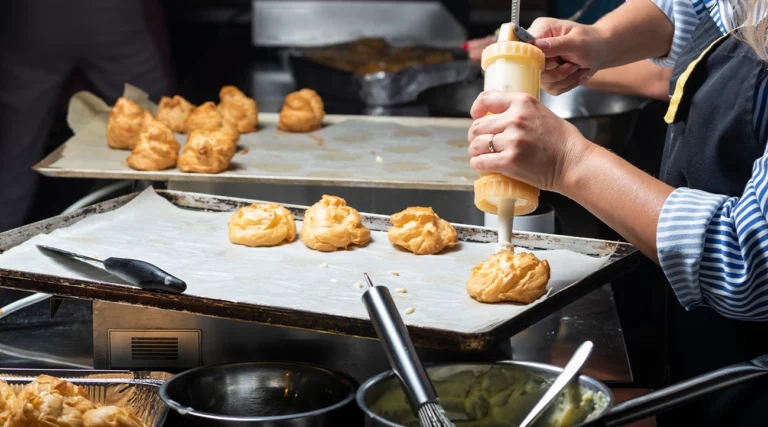
The profiterole served with hot chocolate poured on the spot and the crêpe Suzette flambéed right in the dining room are the desserts that epitomise the brasserie experience.