

Musée Rodin: the museum dedicated to the French sculptor

An elegant and refined oasis of art in the heart of the city, where monumental works in bronze and marble dialogue with the splendid nature of one of the most beautiful gardens in Paris.
In short

Table of Contents

Rodin Museum Opening Hours and Prices

Find out how and when to access the Royal Galleries and plan your cultural visit without any surprises.

Opening hours

  • Tue - Sun 10:00 - 18:30

    Last admission 45 minutes before

  • Ordinary closures

    Every Monday, January 1st, May 1st, December 25th

Prices

  • Adults from €15
  • Free entry Free

    Minors under 18, disabled people with companion, EU Under 26s

What to see at the Rodin Museum

Enter the wings of the palace to admire up close the paintings and sculptures that have marked the entire evolution of the history of art.

1

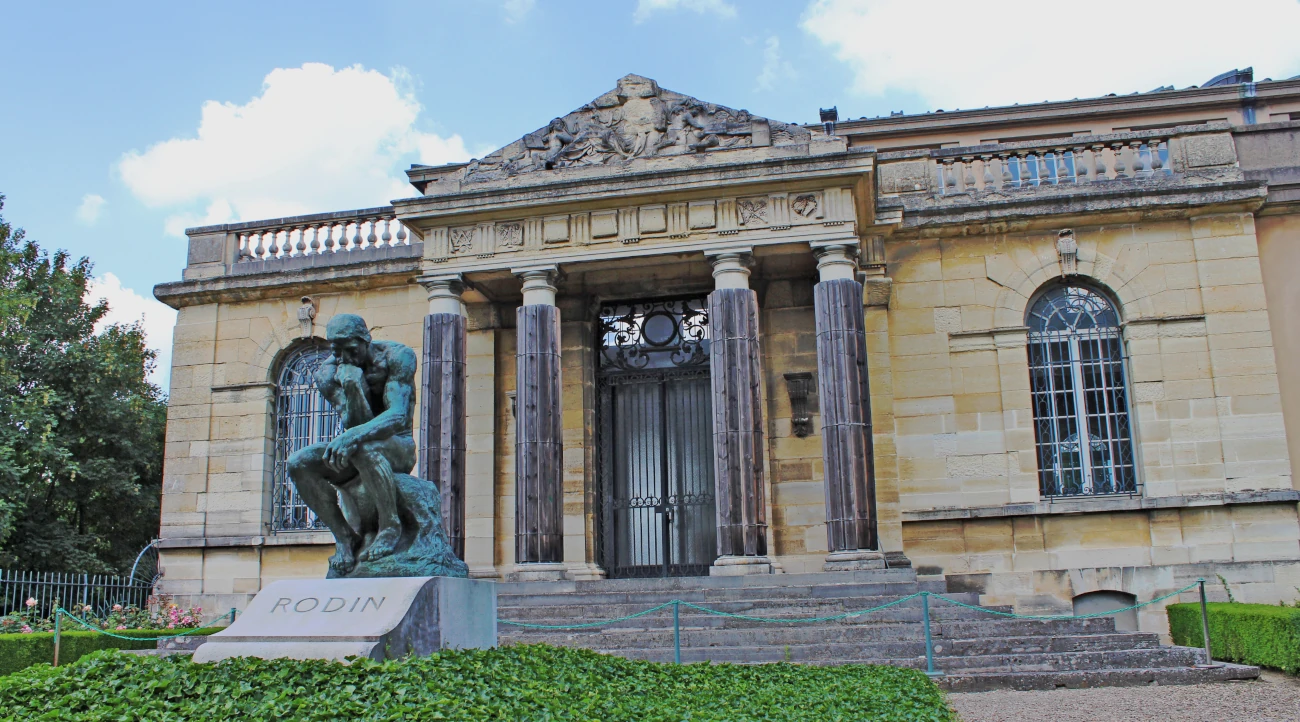
The Thinker

Admire Rodin's most famous sculpture, perched on a high pedestal among the trees.

2

The Kiss

Observe the monumental block of white marble that conveys an extraordinary and fluid sensuality.

3

The Gates of Hell

Be amazed by the colossal bronze structure inspired by Dante Alighieri's Divine Comedy.

4

Rodin's Private Collections Not to be Missed

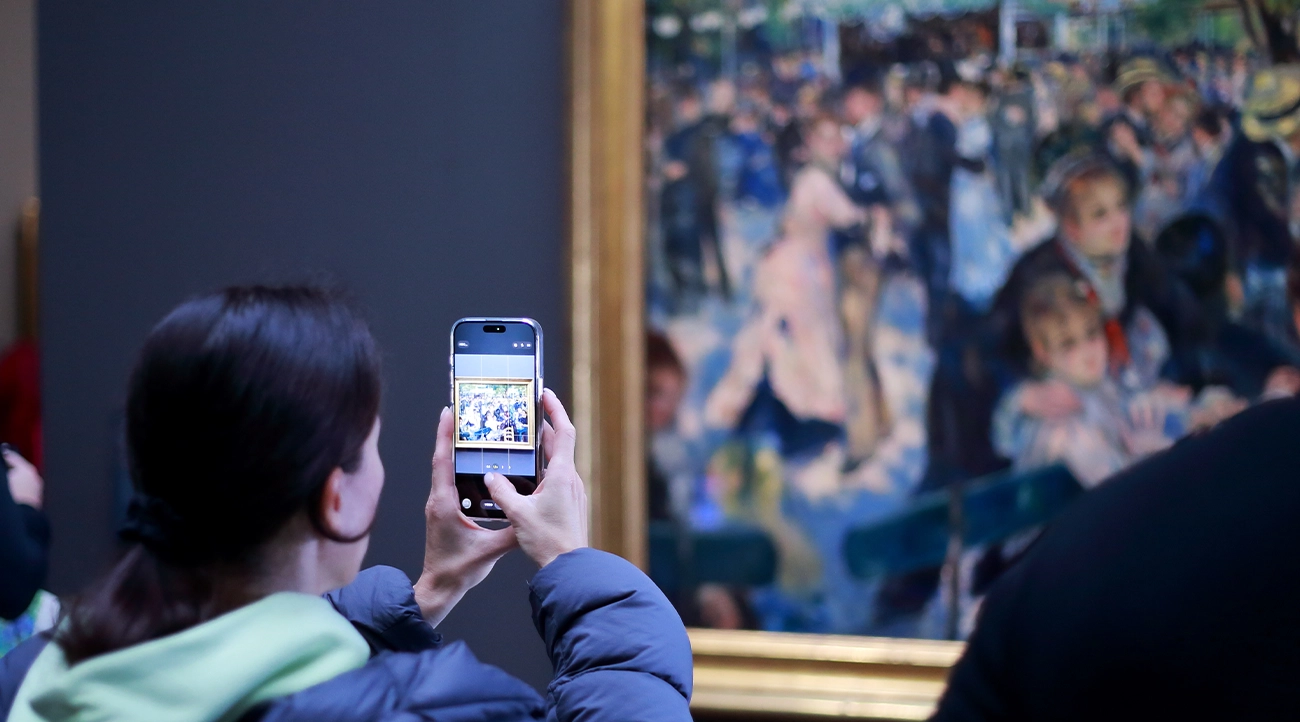
Explore the interior rooms that house the sculptor's personal paintings, including historic works by Vincent Van Gogh, Claude Monet and the works of sculptor Camille Claudel.

5

The sculpture garden

Discover the magnificent three-hectare park that houses masterpieces scattered among the bushes, such as The Burghers of Calais and the monument dedicated to Honoré de Balzac.

Visiting the Rodin Museum

A few quick tips to help you enjoy your stay in the palace without losing your bearings.

How to visit the Rodin Museum

You can access it by crossing the main entrance on Rue de Varenne. It's best to begin your tour in the interior rooms of the 18th-century palace and then conclude your journey with a relaxing stroll along the park's paths.

Need to know

  • The structure was born as a sumptuous private residence for a wealthy hairdresser.
  • Auguste Rodin lived and worked in this palace in his last years.
  • The sculptor donated all his works to the State in exchange for the museum.
  • Among the famous tenants of the building was also the painter Henri Matisse.

Practical advice

  • Purchase your time slot on the web portal to skip the lines with online tickets.
  • Choose a sunny day to fully enjoy the magnificent rose gardens.
  • Rent the audio guide to discover the details of the master's life.
  • Visit the small bar located in the garden for a relaxing break.

How to get to the Rodin Museum

The museum is located in the elegant seventh arrondissement, a very short distance from the monumental complex of Les Invalides.

Metro

Line 13 stops at the convenient and nearby Varenne station.

Rer

Line C serves the Invalides underground station, seven minutes away.

Bus

Lines 69, 82, 87 and 92 stop nearby.

Standing

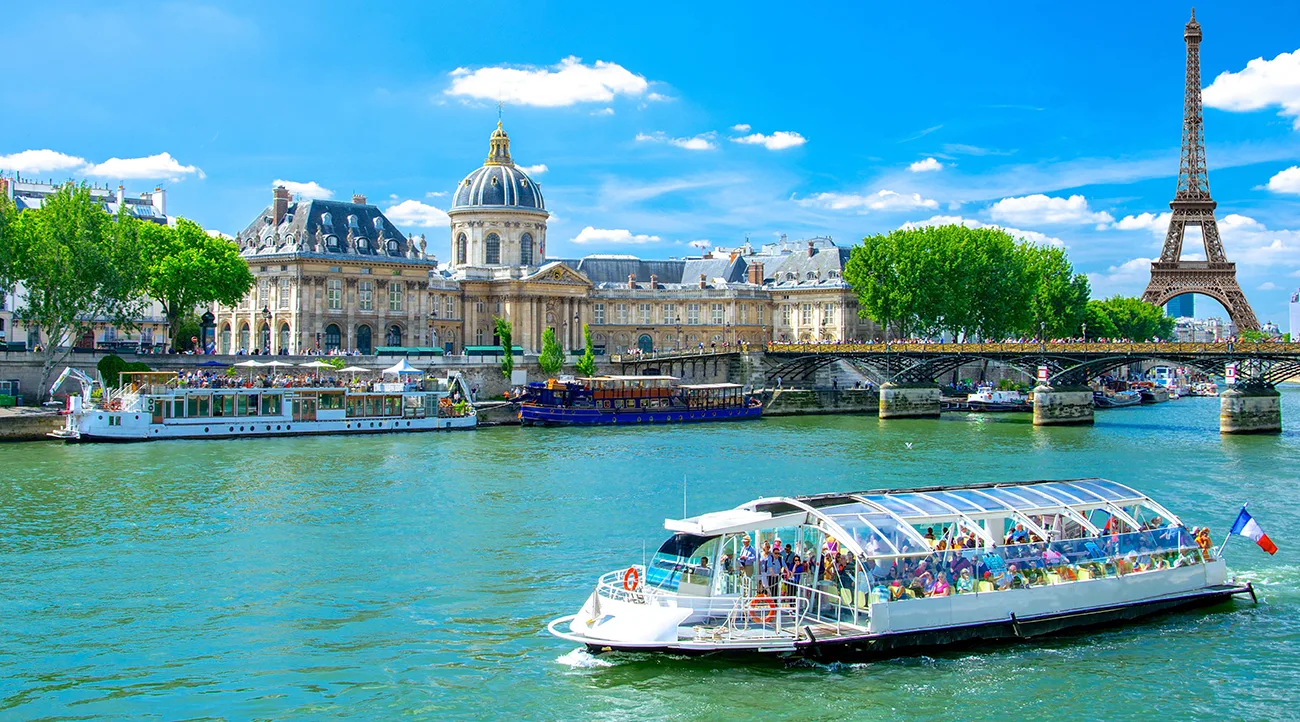
Walk along Boulevard des Invalides starting from the south bank of the Seine.

77 Rue de Varenne, 75007

History of the Rodin Museum

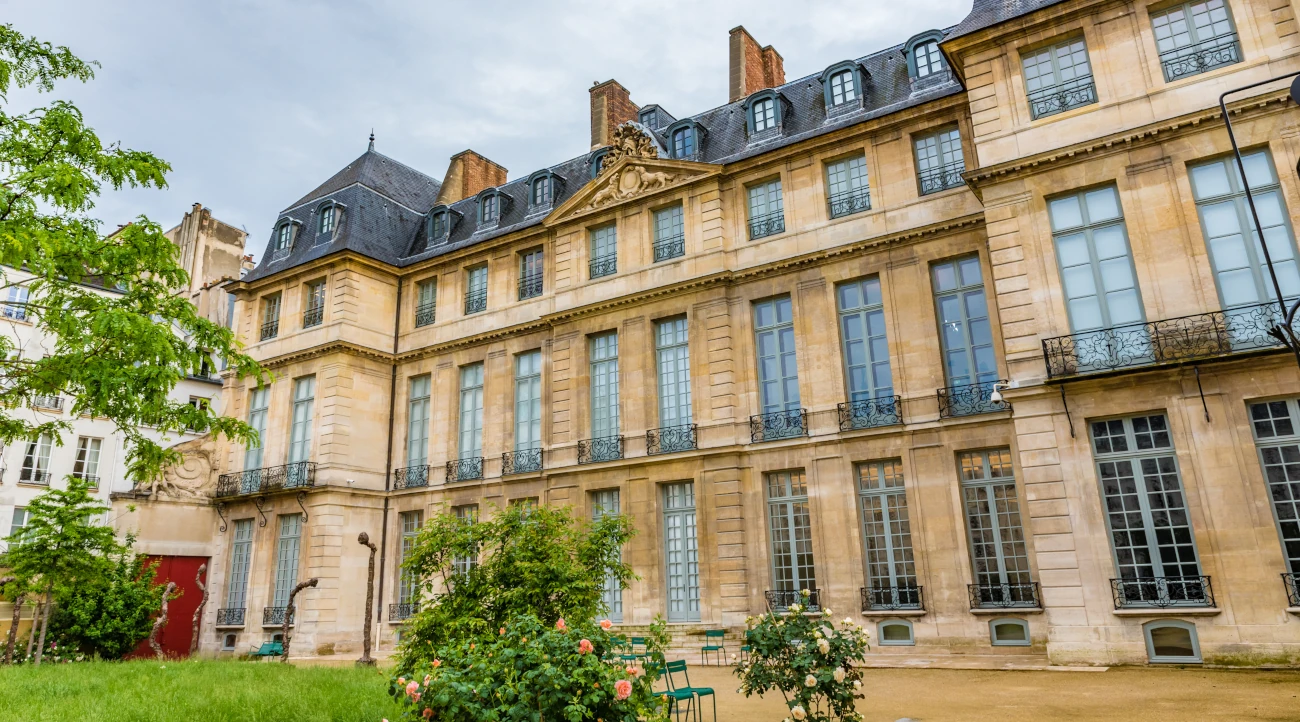
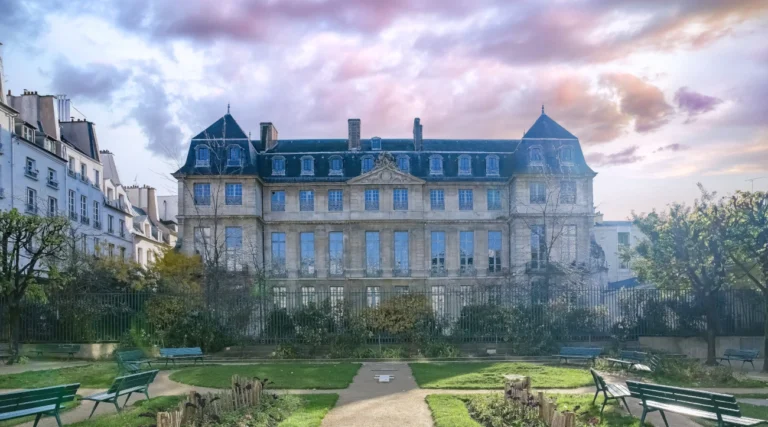
In 1732, architect Jean-Aubert completed construction of an extraordinary and sumptuous noble residence, later known as the Hôtel Biron. The palace was a masterpiece of Parisian Rococo architecture, surrounded by an immense private park. During the 19th century, the structure became the home of a women's religious institute, undergoing several internal modifications before being purchased by the French state and transformed into an artists' residence.

Beginning in 1908, the sculptor Auguste Rodin decided to rent four rooms on the ground floor of the building to use as a studio and workspace. The artist immediately fell in love with the light streaming through the large windows and the decadent charm of the wild garden, where he loved to arrange his plaster models and antique Parisian sculptures among the undergrowth.

In 1911, when the state decided to sell the building, Rodin proposed a revolutionary deal: he would donate his entire personal collection, the original casts, drawings, and reproduction rights of his works of art to public institutions, on the condition that the government would transform the Hôtel Biron into the definitive museum dedicated to him. The deal came to fruition despite heated political discussions.

The Rodin Museum officially opened its doors to the public in 1919, two years after the great master's death. Over the years, the gardens have been completely redesigned and restored, recreating the perfect balance between the muscular forms of the bronzes and the geometry of the hedges. Today, the site is one of the most beloved and visited monographic museums in all of France.

Curiosities about the Rodin Museum

Rodin Museum Tickets and Tours

Find accommodation near the Rodin Museum

Frequently Asked Questions

Can you visit just the garden without paying for the inside?

Yes, there is a special, low-cost ticket dedicated exclusively to the sculpture park.

It is located at the beginning of the path in the gardens, on the right of the entrance.

They are original bronzes cast from the casts that Rodin himself left to the State.

No, they are two separate sites, but you can often find combined passes online.

The palace remains usable, but the experience in the gardens will be severely compromised.

No, the collection dedicated to her is exhibited in the internal rooms of the palace.

No, walking on the grass is prohibited, but there is an internal bar with tables.

Yes, admission is included in the paper or digital city pass. Find out if it's worth it, depending on the type of vacation you're looking for.

Discover the best activities with these tours and tickets

You might also be interested in...

The journey continues…

View of the Palace of Versailles through the gate
Mascots and characters during a parade at Disneyland
View from the veranda of a restaurant in Paris
Facade of the church of Saint-Eustache
People queuing at the foot of the Eiffel Tower
Woman having brunch in Paris

Activities and tours you can't miss

Share:
Previous
Musée de l'Orangerie: Where to See Monet's Water Lilies
Next
Centre Pompidou: Modern Art in the Heart of Paris