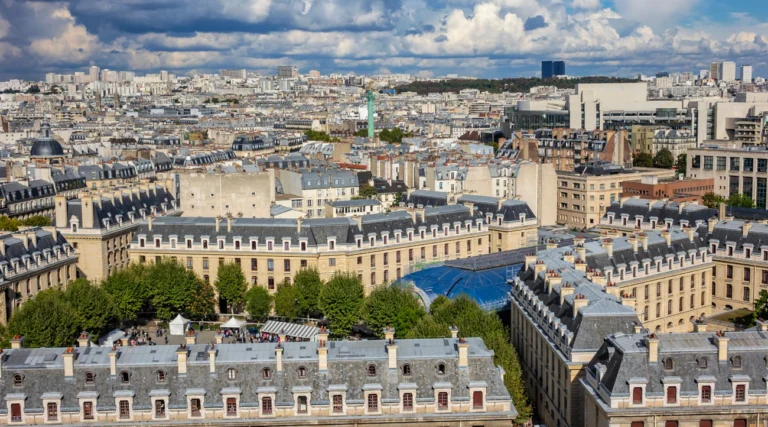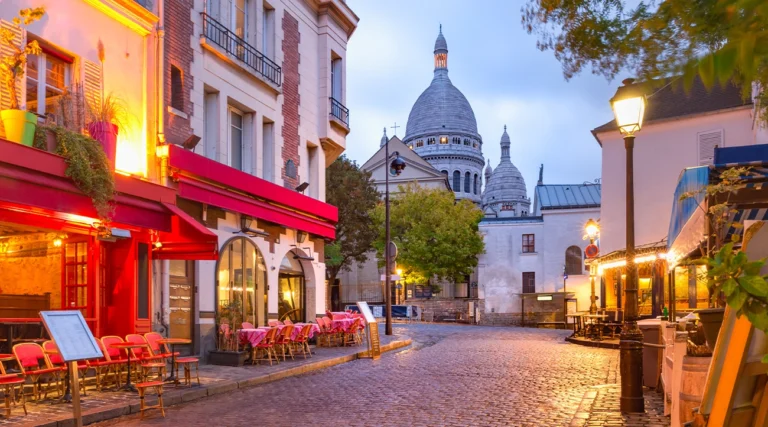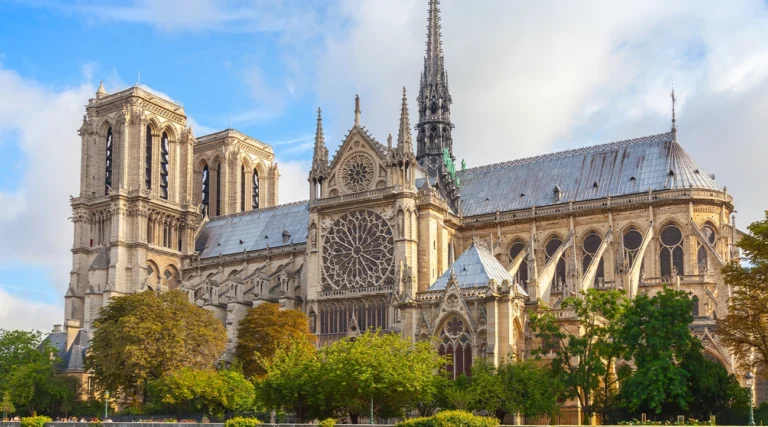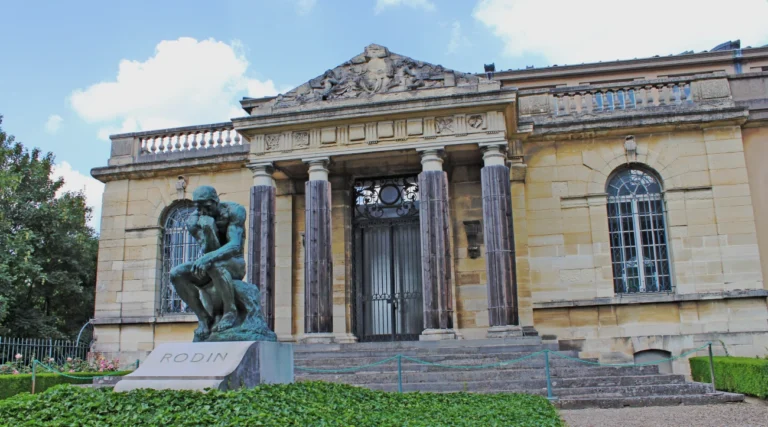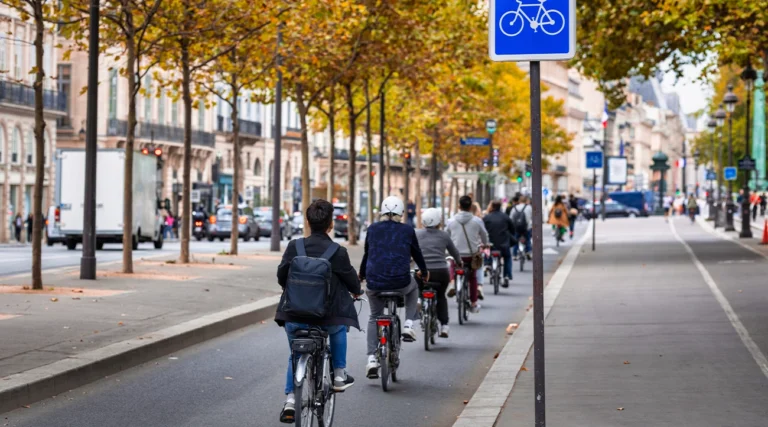


Latin Quarter

Walk in the footsteps of medieval and Roman Paris, past historic universities, legendary bookstores, and bustling squares brimming with student life.

In short

Table of Contents

What to know before visiting the Latin Quarter

Exploring this area means immersing yourself in a constant flow of students and academics, alternating between imposing monuments and secluded alleys. Its expansiveness requires a good walk, often uphill toward the Pantheon hill.

The strong points

  • Presence of exceptional national monuments.
  • Historic libraries unique in the world.
  • Large public parks nearby.
  • Dynamic and youthful evening atmosphere.

To keep in mind

  • Very touristy places near the Seine.
  • Steep hilly roads in some sections.
  • High prices on the main roads.
  • Considerable crowding during peak hours.

What to see in the Latin Quarter

The neighborhood boasts a concentration of academic institutions and archaeological remains that testify to the two-thousand-year history of the Left Bank.

1

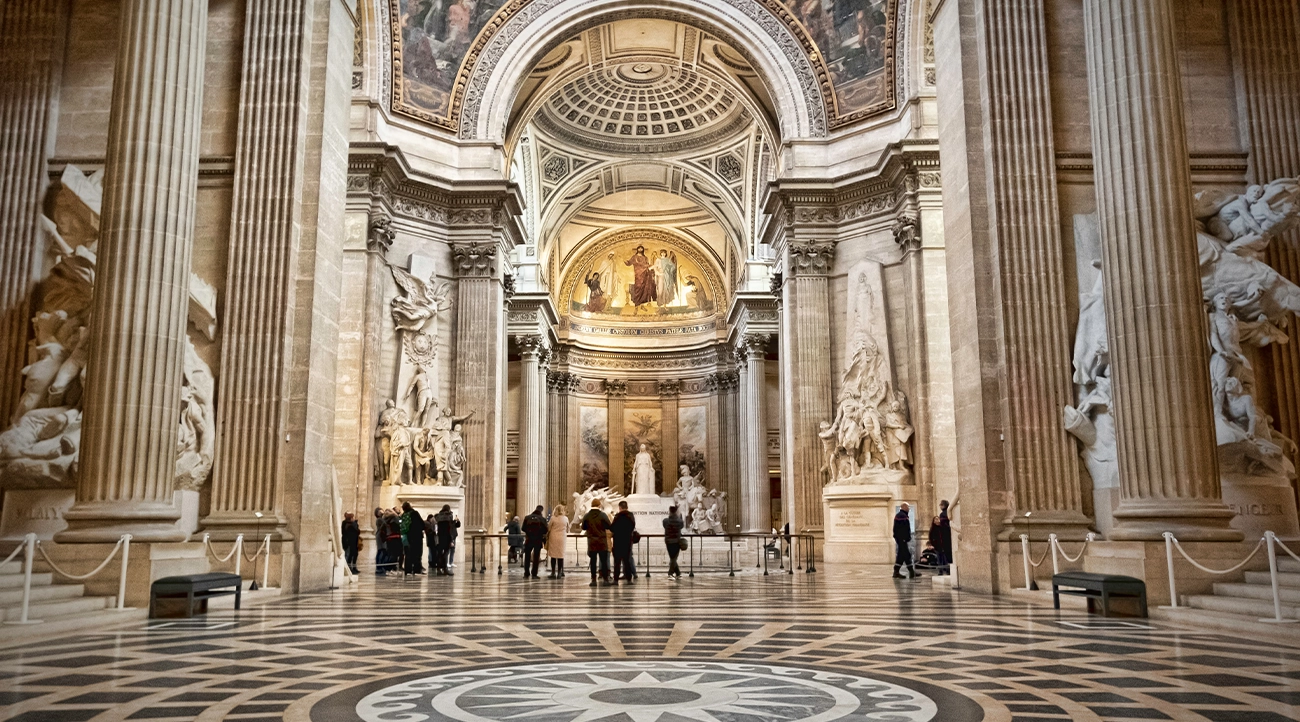
Pantheon Not to be missed

The monumental secular temple where the greatest personalities of French history rest.

2

Sorbonne University

The historic and prestigious university founded in the 13th century, the heart of the city's knowledge.

3

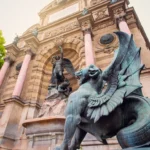
Saint-Michel Fountain

The imposing monumental structure that dominates the square of the same name, a favorite meeting point for residents and visitors.

4

Shakespeare and Company Bookshop

The legendary temple of Anglo-American literature overlooking the banks of the Seine.

5

Cluny Museum

The extraordinary exhibition space dedicated to the Middle Ages, built over ancient Roman baths.

6

Arenes de Lutèce

A Gallic Roman amphitheatre hidden among the buildings, an intact testimony to the city's founding.

7

Church of Saint-Étienne-du-Mont

An architectural jewel that houses a splendid Renaissance rood screen unique in Paris.
8

Rue Mouffetard

One of the oldest and most picturesque streets, famous for its market and bars.

Visiting the Latin Quarter

Exploring the district offers a perfect balance between cultural explorations in the museums and relaxing moments outdoors.

Experiences to do in the Latin Quarter

Explore the booksellers' stalls along the Seine before taking refuge in the quiet courtyards of the university faculties or among the neighborhood's historic arthouse cinemas, on a guided tour of the neighborhood.

Powered by GetYourGuide

Need to know

  • It owes its name to the use of the Latin language in medieval universities.
  • It houses the best-preserved Roman remains in all of Paris.
  • It was the nerve centre of the student protests of May 1968.
  • The Sorbonne originally began as a college for poor students.

Practical advice

  • Avoid the tourist menus in the Saint-Severin area.
  • Climb the dome of the Pantheon for a unique view.
  • Visit the Arènes de Lutèce for a relaxing break.
  • Stroll in the evening to enjoy the illuminated squares.

How to get to the Latin Quarter

The central location on the Left Bank makes the district accessible in just a few minutes from any metro. or train hub on the opposite bank

Metro

Line 4, Saint-Michel stop , for the Seine area; Line 10, Cluny-La Sorbonne stop , for the city center.

Bus

Lines 21, 27, 38, 47, 63 and 86 serve all the major internal arteries.

Standing

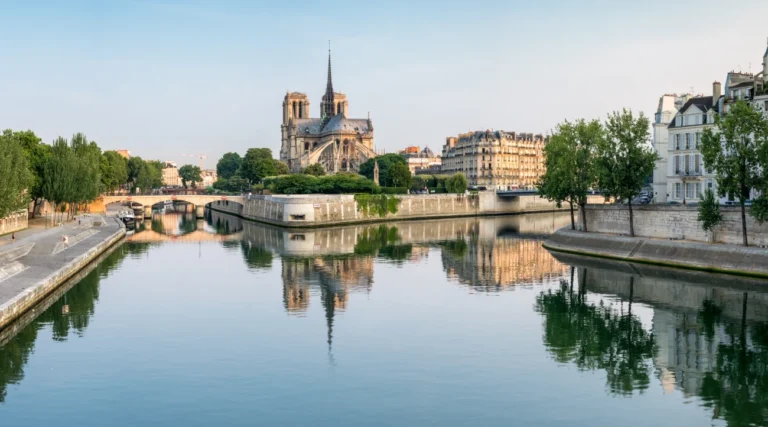
Reachable directly by crossing the historic bridges that connect the Île de la Cité to the left bank.

RER

Lines B and C stop at Saint-Michel Notre-Dame station, ideal for direct connections.

Central point: 48 Bd Saint-Germain, 75005

History of the Latin Quarter

The origins of this part of Paris are deeply rooted in Roman times, when the ancient city of Lutetia began to develop on the northern slope of the Sainte-Geneviève hill. The colonists traced the cardo maximus along what is now Rue Saint-Jacques, building baths, a large forum, and an amphitheater. With the decline of the Empire, the population retreated to the islands of the Seine, but the area retained a strong spiritual and intellectual vocation that resurfaced during the twelfth century. It was during this period that great teachers and theologians decided to break away from the control of the cathedral to found independent schools on the left bank.

In 1257, Robert de Sorbon founded the famous college that would give its name to the entire Parisian university. From that moment on, thousands of students from all over Europe crowded the neighborhood's alleys. Because teachers and students communicated exclusively in Latin, both during lectures and in daily life, the entire area took on the name it retains to this day.

Over the following centuries, the district remained a beating heart of critical thought, philosophy, and publishing, witnessing the rise of printing houses and academies. In the 19th century, Haussmann's austerity measures opened up the grand boulevards Saint-Michel and Saint-Germain, but they failed to erase the area's rebellious spirit, which in 1968 became the main stage for the global student uprisings.

Curiosities about the Latin Quarter

What to book in the Latin Quarter and its surroundings

Where to sleep in the Latin Quarter

Where to eat in the Latin Quarter

The Balzar

A historic Parisian brasserie frequented by writers and academics, famous for its traditional French dishes served with great elegance.

49 Rue des Écoles

The Silver Rotisserie

An elegant bistro overlooking the Seine, offering exceptional spit-roasted meat dishes and classic recipes in a refined setting.

19 Quai de la Tournelle

The Little Châtelet

A delightful, intimate restaurant with exposed beams located in front of Notre-Dame, famous for its wood-fired specialties.

39 Rue de la Bûcherie

Frequently Asked Questions

Why is the Latin Quarter called that?

The name derives from the fact that in the Middle Ages students and professors at local universities spoke exclusively Latin during lessons.

The Saint-Michel stations on line 4 and Cluny-La Sorbonne on line 10 offer the fastest access to the center of the area.

The historic courtyards of the Sorbonne, the ancient Arènes de Lutèce, and the splendid René-Viviani Garden are freely accessible without any admission fee. They are part of Paris low cost.

Yes, but it's essential to stay away from the overly touristy streets near the fountain and opt for the places located near Rue Mouffetard.

A complete itinerary that includes a visit to the Pantheon and a stroll through the bookshops usually takes no less than three hours.

Yes, as one of the most iconic literary venues in the world, there are often short lines at the entrance, especially on weekends.

Yes, the area is largely pedestrianized, although the climb up to the Pantheon and paving some of the historic alleys require a bit of effort.

Certainly, the structures of the ancient public baths are integrated and can be visited within the exhibition itinerary of the Musée de Cluny dedicated to the Middle Ages.

The neighborhood has been home to literary giants such as Ernest Hemingway, James Joyce, F. Scott Fitzgerald, and post-war existentialist intellectuals.

Other attractions to book in Paris

You might also be interested in...

The journey continues…

Green area in front of the Hotel de Invalides
A couple enjoying the view of Paris
A batobus at the height of Pont Alexandre III
Woman having brunch in Paris
Notre-Dame and Ile de la Cité in the Morning
Place de Saint-Michel Fountain of the Archangel Michael

Activities and tours you can't miss

Share:
Previous
Saint-Germain-des-Prés
Next
The Marais