

Place de la Concorde: the square of history and light

An immense monumental space where the past of the French Revolution combines with the geometric elegance of the fountains and the ancient Egyptian obelisk.

In short

Table of Contents

The ideal stop

Ideal to fit in between a visit to the Tuileries Gardens and a stroll along the Champs-Élysées.

  • Recommended parking time 20'

    twenty minutes to walk and take pictures.
  • The local rite

    Stop to admire the golden reflections of the obelisk when the streetlights come on.

What to see at Place de la Concorde

See how the sunlight enhances the baroque fountains and hieroglyphics engraved in gold.

1

The Obelisk of Luxor Not to be missed

Observe the twenty-three-meter-high granite Egyptian monument.

2

The Fountain of the Rivers

Admire the sculptures celebrating the Rhine and the Rhone.

3

The Fountain of the Seas

Discover the bronze details dedicated to ocean navigation.

4

The Statues of the Cities

Look at the eight female sculptures placed at the octagonal corners.

5

The monumental perspective

Enjoy the view towards the Arc de Triomphe and the Madeleine.

The visit to Place de la Concorde

Maximize your time by following these practical details for an outdoor tour.

How to visit Place de la Concorde

You can walk around the entire perimeter area starting from the Tuileries Gardens, using the pedestrian crossings to reach the central traffic island and arriving at the museums overlooking the square.

Need to know

  • The space is the second largest square in France.
  • The site was home to the guillotine during the Reign of Terror.
  • The obelisk was donated by the Viceroy of Egypt in the nineteenth century.
  • Architect Ange-Jacques Gabriel designed the structure in 1755.

Practical advice

  • Be extremely careful when crossing major avenues.

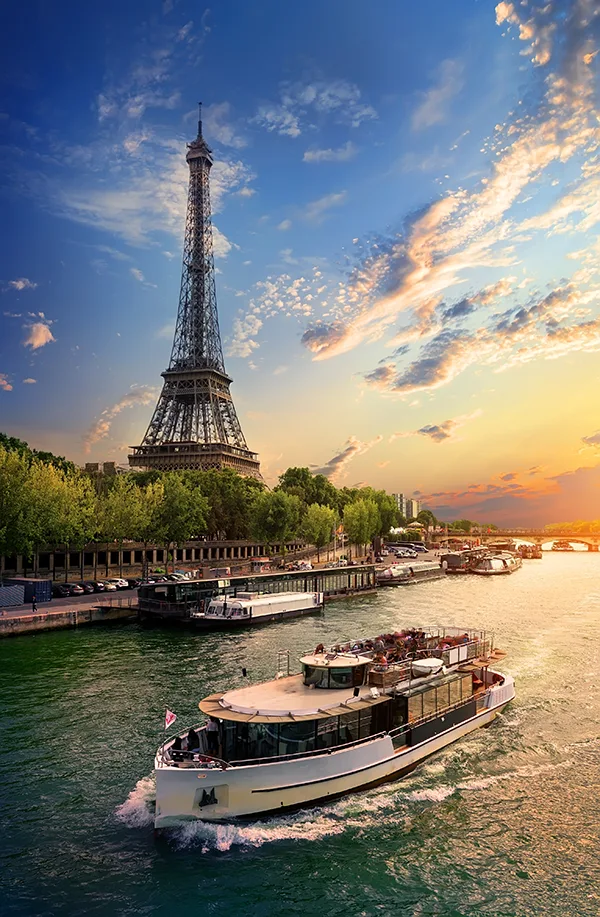
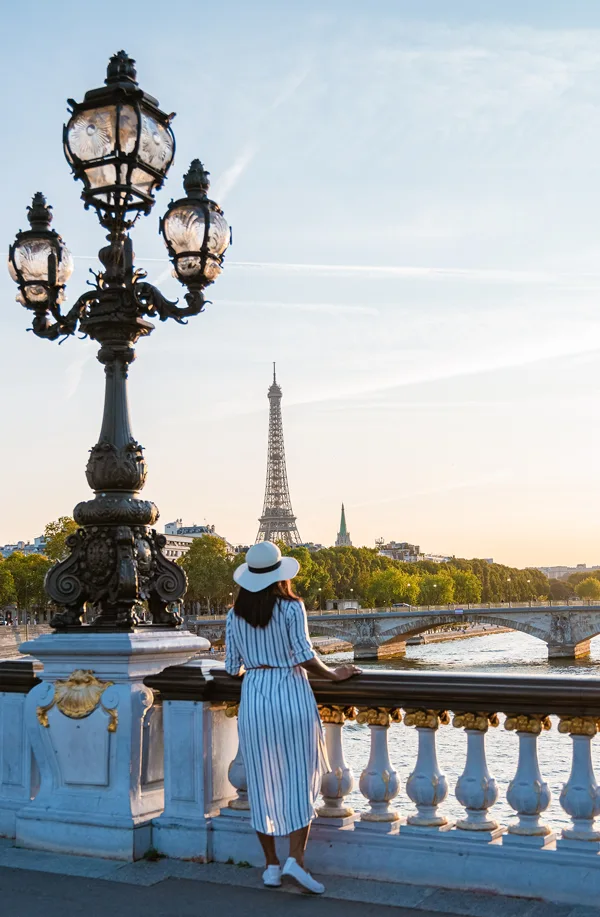
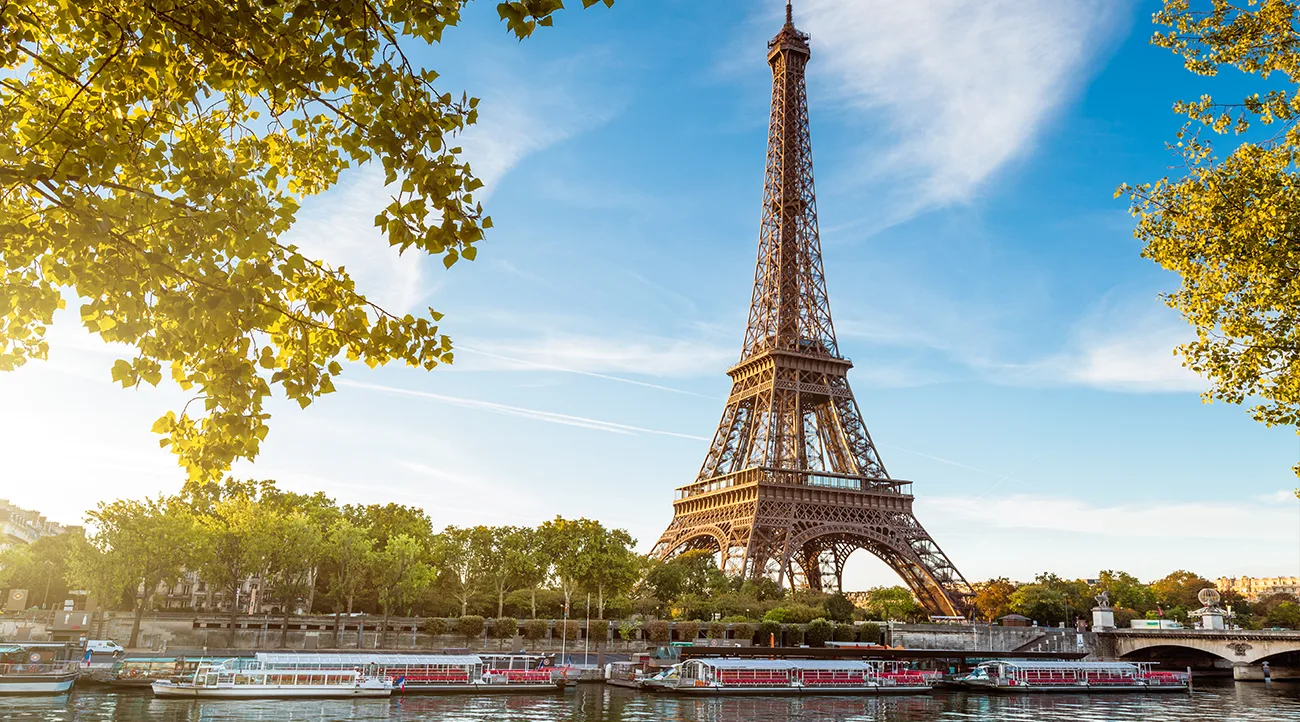
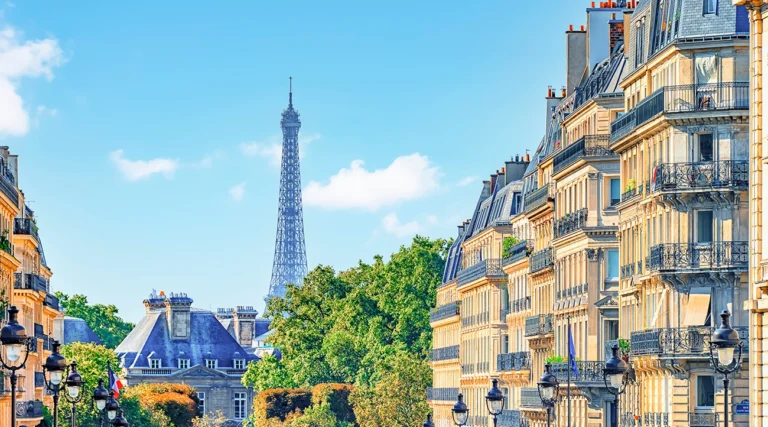
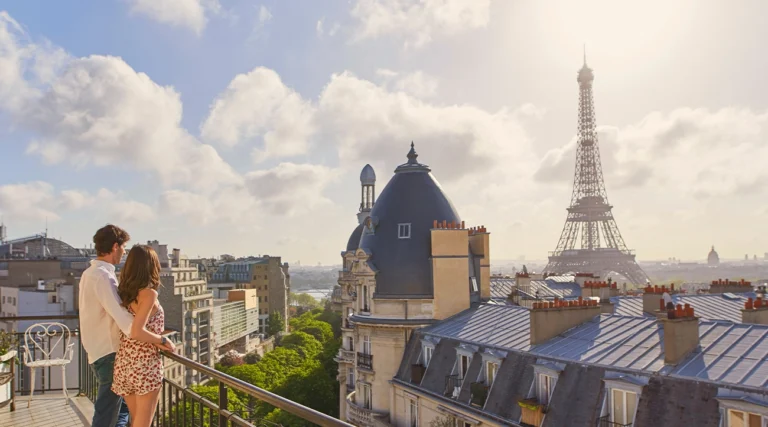
  • Position yourself near the obelisk to photograph the Eiffel Tower.

  • Choose the evening hours to see the illuminated fountains.

  • Avoid hot days due to the total lack of shade.

How to get to Place de la Concorde

The square stands at the end of the eastern section of the Champs-Élysées, on the right bank of the Seine.

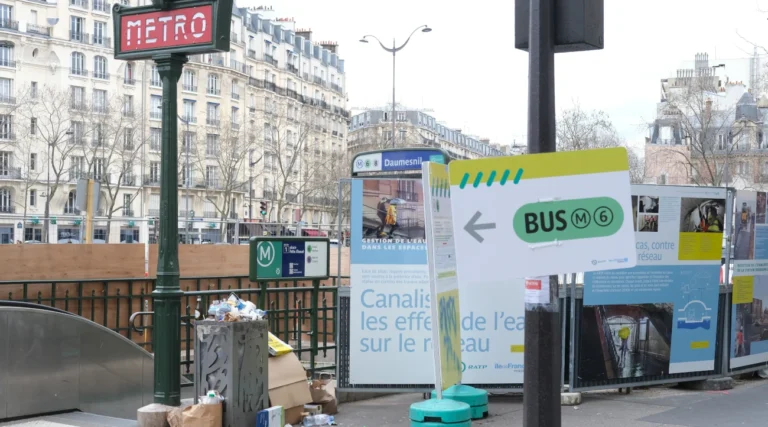
Metro

Lines 1, 8 and 12 stop at Concorde station.

Bus

Lines 42, 72, 73, 84 and 94 stop nearby.

Bicycle

Walk straight from the Louvre Museum through the Tuileries.

Standing

If you're coming from the north, walk along Rue de Royal; if you're coming from other Paris attractions, you'll almost certainly have to walk along the Seine (a stunning walkway); otherwise, if you're coming from the south/Pantheon, cross the Pont de la Concorde.

Place de la Concorde, 75008

History of Place de la Concorde

The project was born to house a monumental equestrian statue of Louis XV, commissioned to celebrate the sovereign's recovery from a serious illness. Architect Gabriel conceived an open space that would enhance the river view and access to the nearby royal gardens.

In 1792, in the midst of the French Revolution, the statue of the king was torn down and the site was renamed the Place de la Révolution . The guillotine was installed in the center of the square , leading to the execution of over 1,100 people, including Louis XVI and Marie Antoinette.

After the political turmoil ended, the government chose its current name to promote social peace and forget the horrors of the recent past. In 1836, King Louis-Philippe erected the Luxor Obelisk, a monument unrelated to the French civil wars.

Architect Jacques Hittorff completed the square's layout by adding two spectacular monumental cast iron fountains and imposing rostral columns. These interventions gave the site the solemn and harmonious appearance that can still be admired today.

Throughout the twentieth and twenty-first centuries, the area has become the stage for military parades, large-scale folk festivals, and historical parades. The site has recently undergone modernization to reduce traffic and promote sustainable mobility in the city.

Curiosities about Place de la Concorde

Activities that include Place de la Concorde

Find accommodation near Place de la Concorde

Frequently Asked Questions

Is there a closing time for access to the square?

No, the area is public and open continuously all year round.

The Egyptian monument is estimated to be around three thousand four hundred years old.

The Hôtel de la Marine building is partially open to the public.

Yes, the floor is flat and free of obstructive steps.

In the centre of the square stood the famous revolutionary guillotine.

Yes, the property borders the Orangerie Museum.

The water flow is sometimes suspended during periods of severe frost.

Typically , about twenty or thirty minutes in total is sufficient.

Exclusive activities and tickets in Paris

You might also be interested in...

The journey continues…

View from above of the Arc de Triomphe
Facade with tourists of Notre-Dame Paris
Souvenirs in a stall in Paris
Boulevard de Saint-Germain in the Paris neighborhood of the same name
Front and aerial view of the La Defénse neighborhood
Cityscape view on the beautiful street with the Sacré-Coeur Cathedral on the hill of Monmartre in Paris

Activities and tours you can't miss

Share:
Previous
Place des Vosges: the most elegant square in Paris
Next
Pont Neuf: History and Curiosities of the Oldest Bridge