

In short
A historic Left Bank neighborhood, Montparnasse is famous for its literary cafés, artists' studios , and the distinctive atmosphere that has inspired writers and intellectuals. Even today, it remains one of the most interesting areas to visit for those who want to discover cultural Paris, with its historic brasseries, elegant boulevards, and the famous Montparnasse Tower.
- Cradle of the artistic avant-garde of the 1920s.
- panoramic terrace overlooking the Parisian rooftops.
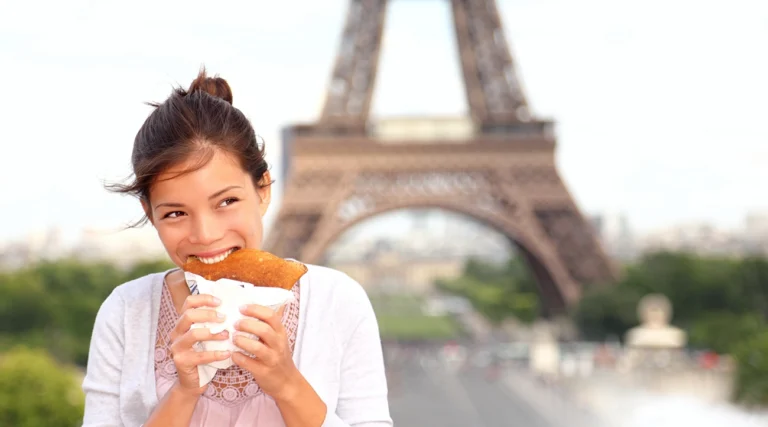
- Home of the traditional crêperies of the Breton community.
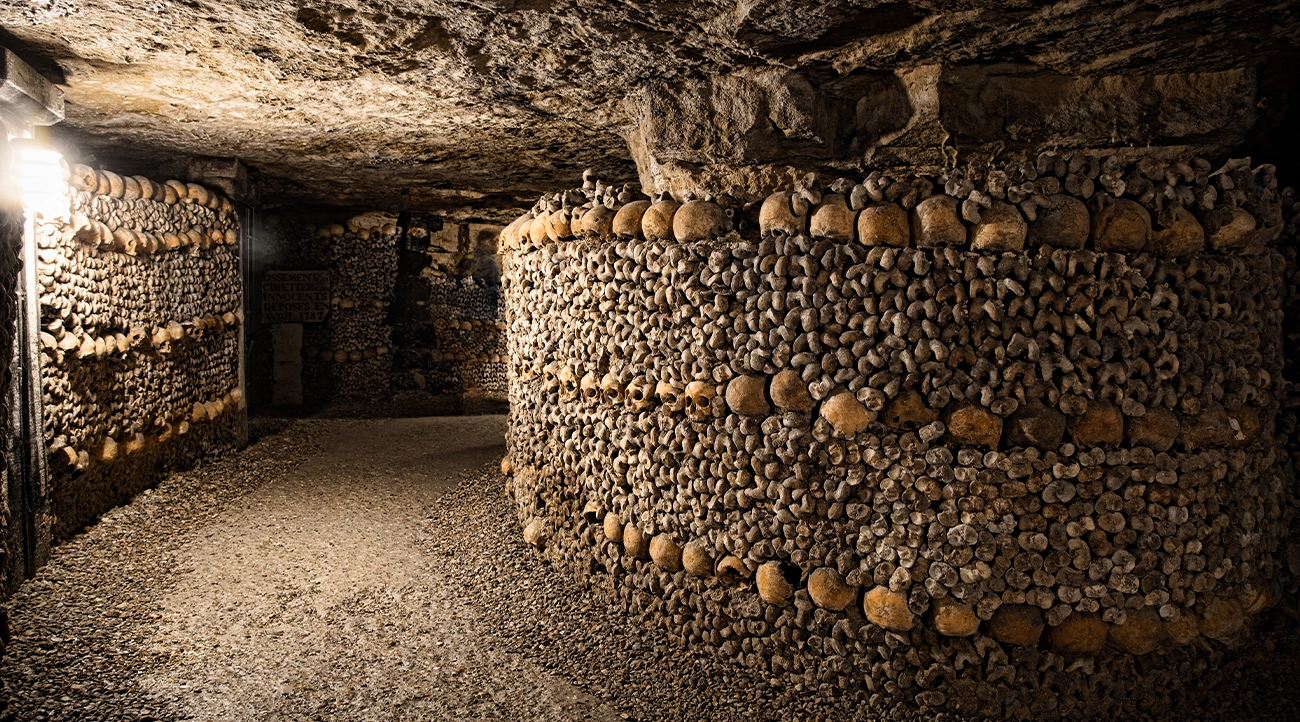
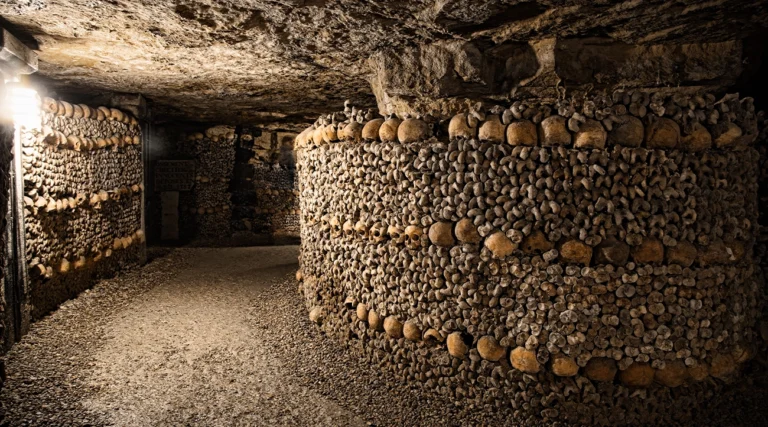
- Underground access point to the bone labyrinth.
☰ Table of Contents
What to know before visiting the Montparnasse district
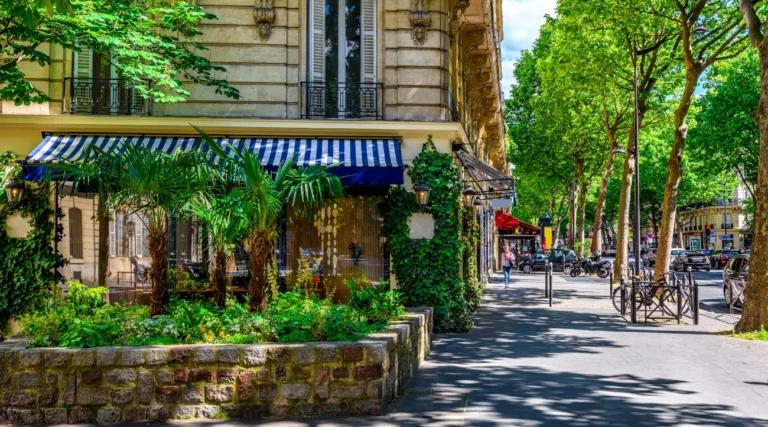
The neighborhood presents itself as a large urban crossroads dominated by imposing tree-lined avenues and one of the busiest stations in the country. Orientation is immediate thanks to the massive central skyscraper, while the internal streets reveal quiet courtyards and artist studios.
The strong points
- Great culinary and literary tradition.
- Excellent transport links.
- Spectacular panoramic views of the city.
- Lively selection of historic theatres.
To keep in mind
- Presence of major busy arteries.
- Modern architecture, at times severe.
- High prices in famous cafes.
- LONG lines at the historic catacombs.
What to see in the Montparnasse district
The district's center of gravity oscillates between the lively Carrefour de Vavin and the quiet monumental areas located a little further south.
Splendid Montparnasse Tower
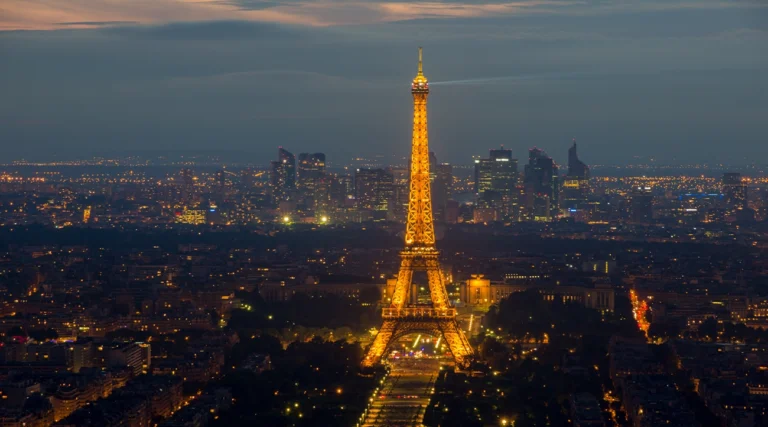
The imposing skyscraper that dominates the Parisian skyline, at the top of which is a terrace with a 360-degree view.
The great historic cafes
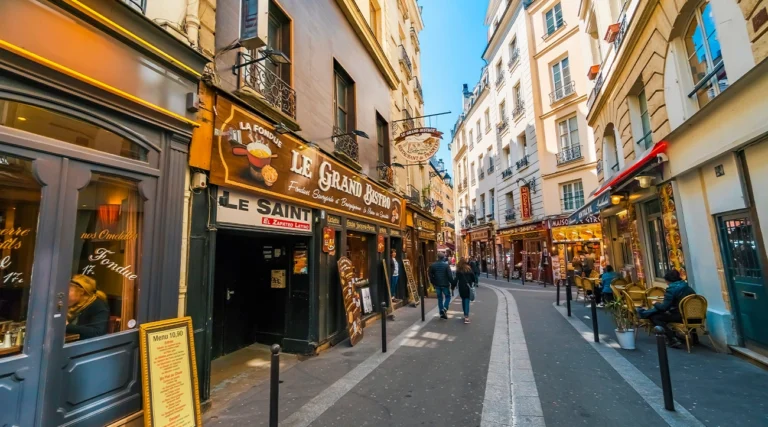
The legendary bars lined the Boulevard du Montparnasse, witnesses to heated philosophical and literary debates.
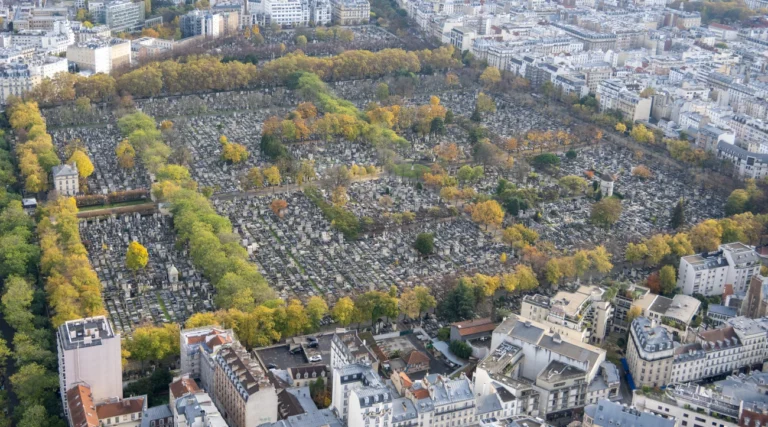
Montparnasse Cemetery
One of the city's most important necropolises, where internationally renowned writers, philosophers, and artists rest.
Catacombs of Paris To visit
The eerie and fascinating underground ossuary that winds its way through ancient Roman stone quarries.
Bourdelle Museum
The former studio of sculptor Antoine Bourdelle, which houses majestic plaster works within hidden gardens.
Rue de la Gaîté
The historic street of theatres, dance halls and popular cabarets of the nineteenth century.
The Ruche
The famous complex of artists' studios that welcomed the most destitute foreign painters of the early twentieth century.
Place Denfert-Rochereau
The large square dominated by the bronze Lion sculpture, the centre of gravity of the southern section of the neighbourhood.
Visiting the Montparnasse district
Exploring this part of the city means retracing the footsteps of Hemingway and Modigliani, alternating the elegance of the avenues with the discovery of secluded art museums.
Best moment
Late afternoon, to enjoy the sunset from above and dinner in the bistros.
Crowding
Medium-high near the station, quiet in residential alleys.
Suitable for children
Yes, for the quick ascent up the skyscraper.
What not to miss
A walk among the famous tombs of the monumental cemetery.
Type of experience
Historical, literary, artistic and gastronomic.
What to expect
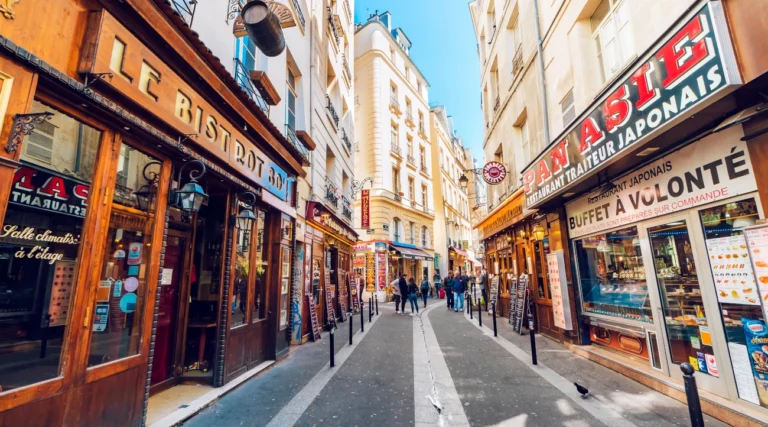
Large, bright brasseries, spacious avenues, and an atmosphere of times gone by.
Things to do in the Montparnasse district
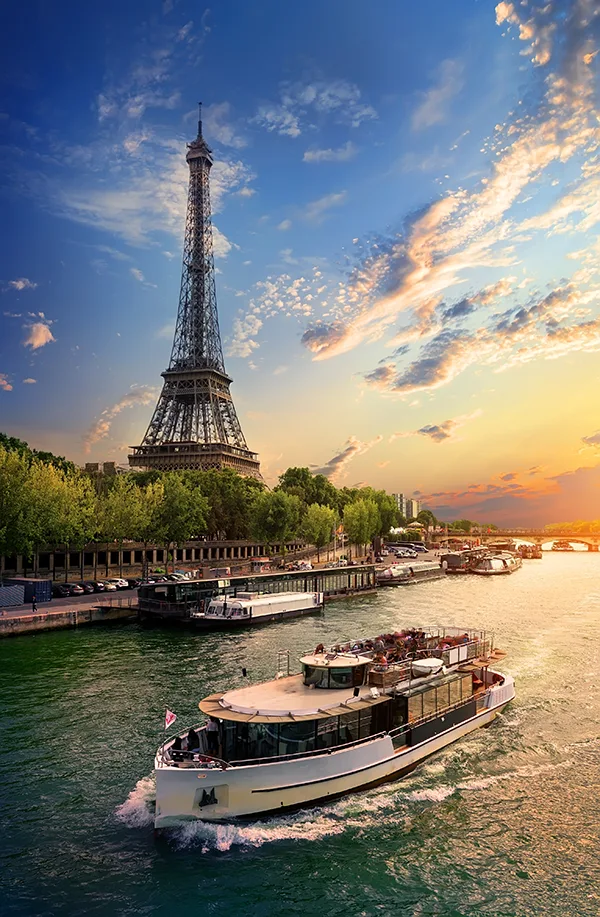
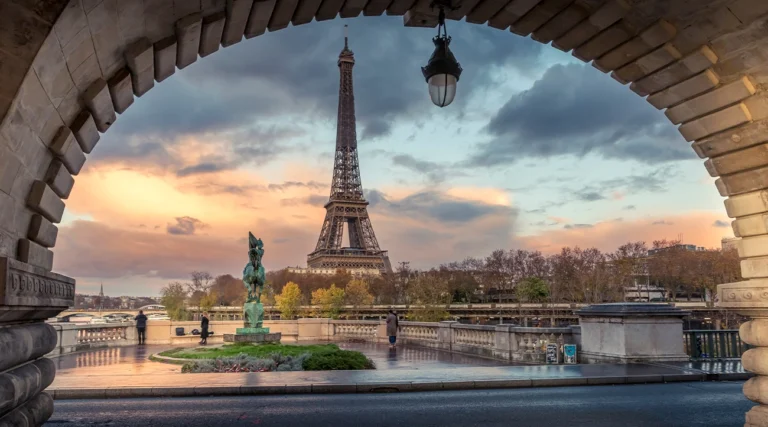
Order a traditional Breton crêpe near Rue du Montparnasse before climbing to the top of the great tower to see the Eiffel Tower light up in the evening.
Need to know
- The neighborhood's name derives from “Monte Parnaso,” the hill of rubble where 17th-century university students recited poetry.
- In the 1920s, the resident artists were called “Les Montparnos” for their nonconformist lifestyle.
- The railway station is historically linked to the arrival of migrants from Brittany, who exported the cider culture here.
- Jean-Paul Sartre and Simone de Beauvoir rest together in the neighborhood cemetery.
Practical advice
- Book tickets to the Catacombs on the official website weeks in advance.
- Enter historic cafés, even just for an espresso at the counter, to admire the original furnishings.
- Look for the Sunday morning open-air art market along Boulevard Edgar Quinet.
- Explore Rue Campagne-Première to admire the beautiful facades of artists' studios.
How to get to the Montparnasse district
The area is one of the most important transport hubs on the southern bank of the Seine, perfectly connected to the suburbs.
Montparnasse-Bienvenüe station (lines 4, 6, 12, 13) for direct access to the tower and the main boulevards.
Lines 28, 39, 58, 68, 82, 91 and 92 serve the station square and the theatres regularly.
Gare Montparnasse is the terminus for high-speed trains heading to the west and southwest of France.
Easily accessible by walking south from the Luxembourg Gardens or Saint-Germain-des-Prés.
Central point: 238 Bd Raspail
Official Transport Paris
- Paris Metro Map
- RER tickets and fares
- Taxis in Paris (numbers and alternatives)
History of the Montparnasse district
Montparnasse's historical trajectory took off during the Belle Époque, when the nearby hill of Montmartre began to lose its original purity due to rising rents and the arrival of mass tourism. Seeking cheaper and quieter spaces, the international artistic community crossed the river and settled permanently in the artisan workshops of the Left Bank. Painters, sculptors, poets, and political refugees from every corner of the world transformed this anonymous district into the most influential cultural laboratory on the planet.
Read moreShow less
Read moreShow less
The decade of the 1920s, known as the "Roaring Twenties," cemented the neighborhood as the global epicenter of creativity. Among the café tables, the destinies of Pablo Picasso, Amedeo Modigliani, Marc Chagall, and Ernest Hemingway crossed paths, finding the area's establishments a true extension of their own homes. Waitresses and brasserie owners often accepted improvised drawings and sketches on paper napkins as payment for dinner, saving generations of artists from starvation.
The post-World War II period kept the area's intellectual vocation alive thanks to the existential movement, led by Jean-Paul Sartre and Simone de Beauvoir, who chose the avenue's cafés as their daily offices. In the 1970s, the neighborhood's face was transformed by a massive urban redevelopment plan that led to the demolition of the old 19th-century station and the construction of the skyscraper. This modern resurgence created a unique coexistence between the industrial aesthetic and the romantic charm of the old turn-of-the-century alleyways.
Curiosities about the Montparnasse district
The sidewalks of this cradle of art hold stories of memorable encounters, photographic discoveries, and spectacular train crashes.
- The Flying Train: In 1895, a steam train braked late and crashed through the facade of the old station, falling onto the street below.
- Kiki de Montparnasse: the legendary model, singer and painter became the undisputed muse of all the artists in the neighborhood.
- The discovery of Man Ray: the famous surrealist photographer invented his first “rayographs” right inside an improvised darkroom in a local hotel.
- Lenin's refuge: before the Russian Revolution, the political leader lived in the neighborhood, frequenting cafes to play chess.
- The painted columns: inside the brasserie La Coupole you can admire pillars decorated directly by Matisse's students.
- The Saved Atelier: Sculptor Chana Orloff's studio remains exactly as the artist left it, tucked away on a charming private street.
What to book in the Montparnasse district
Where to stay in the Montparnasse district
Accommodations in Montparnasse are further away and more residential compared to, for example, those in the city center. This makes it a convenient option for families with children.
Where to eat in the Montparnasse district
The Coupole
A temple of Parisian Art Deco, this monumental brasserie is famous for its fresh seafood platters and unique theatrical atmosphere.
102 Boulevard du MontparnasseThe Select
The first major café to stay open all night, preserving intact the dark wood counters beloved by Hemingway and Fitzgerald.
99 Boulevard du MontparnasseCrêperie Josselin
One of the best and most authentic crêperies in the area, famous for its buckwheat galettes filled with salted butter and traditional ingredients.
67 Rue du MontparnasseFrequently Asked Questions
Is the Montparnasse Tower wheelchair accessible?
Yes, modern high-speed elevators allow you to comfortably reach the fifty-sixth floor, where the large panoramic covered window is located.
Where do you access the main entrance to the Catacombs?
Official access opens on the sidewalk in front of the Denfert-Rochereau metrostation, in the southern part of the district.
Do historic cafes require a smart dress code?
No, the large brasseries welcome customers with the utmost cordiality both at lunch and dinner, without imposing rigid rules on dress codes.
Is it possible to visit the artists' studios at La Ruche?
The building is still a private residence for working artists today and its internal gardens are not regularly open to the tourist public.
How long does the guided tour inside the Catacombs last?
The underground walk through the tunnels filled with bone remains extends for about a kilometermetro a half and takes an hour. Looking for more information? Read our guide on what to know before descending into the Catacombs.
Are there any major public parks in the immediate vicinity?
The closest green lung is the splendid Luxembourg Garden, reachable in ten minutes on foot along Boulevard Raspail.
Is the Gare Montparnasse area considered safe at night?
Yes, the area is constantly lit and patrolled, although as in all large train stations, you need to keep an eye on your bags.
Why are there so many theaters on Rue de la Gaîté?
The street was historically located outside the city's customs limits, allowing the opening of entertainment venues exempt from municipal taxes.